Developer Tools●Mid
React-container-kit – named React providers and provider composition
DevTools-friendly named providers beat generic Provider wrappers, but unstated-next is niche.
CozyNiche Gem
harveyrandall
104mo ago
Kurpod is an encrypted file storage system with plausible deniability features. It's self-hosted, open source.
Dual-password encrypted blobs look innocent but hide real data inside.
Privacy-conscious users, journalists, activists, people in high-surveillance contexts
VeraCrypt · Cryptomator · TrueCrypt
The twist: the same blob supports two passwords: - Password #1 unlocks a decoy volume (harmless files) - Password #2 unlocks a hidden volume (the real stuff)
Diagram: my_vacation.jpg (really an encrypted blob)
├─ pw1 → standard volume (decoy)
└─ pw2 → hidden volume (real)
Important: this is filename disguise, not steganography / real file-format mimicry. If someone runs `file`, it won’t look like a JPEG.Crypto primitives: Argon2id for KDF + XChaCha20-Poly1305 for encryption.
Quick start (Docker): docker run -p 3000:3000 -e BLOB_DIR=/data -v ./data:/data ghcr.io/srv1n/kurpod-server:latest open http://localhost:3000
Demo video: https://github.com/user-attachments/assets/d47b10cf-c38e-47e...
It’s an early release (expect bugs / not audited). I’d love feedback on:
1) threat model: what this protects well vs. where it’s weak
2) plausible-deniability ergonomics: what user mistakes would ruin the “decoy” story?
3) file format / crypto review: anything obviously dumb or dangerous?
DevTools-friendly named providers beat generic Provider wrappers, but unstated-next is niche.
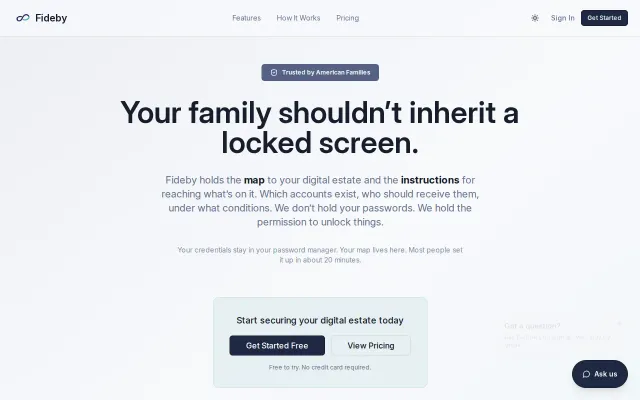
Holds the map, not the keys—clever separation from password managers.
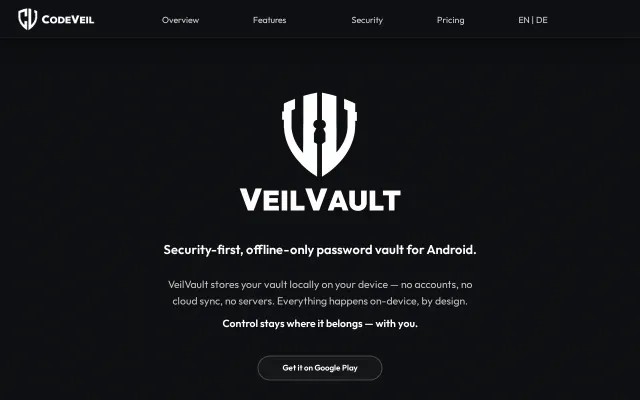
Decoy Vault and PanicHold features add real spy-movie utility to local storage.
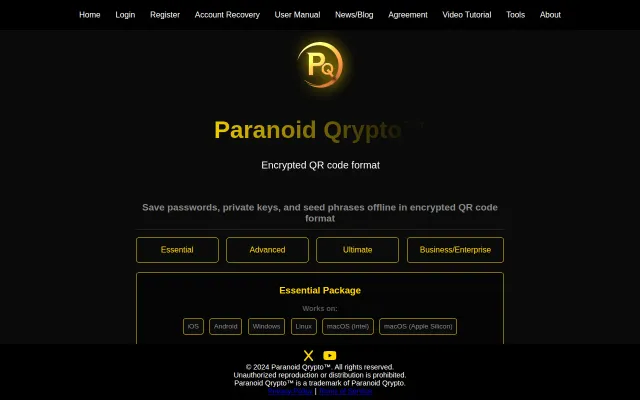
Air-gapped QR-code encryption, but paid tiers ($99+) for basic features existing tools offer.
One encrypted .vault file you carry anywhere with zero dependencies.
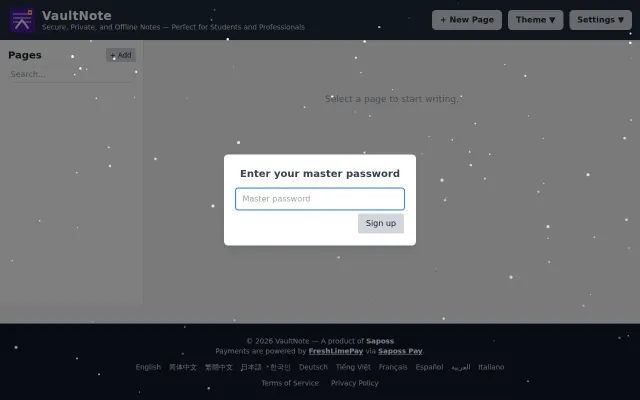
Local-first AES encryption notes, but crowded space with Obsidian, Notion, Logseq alternatives.