Finance●●Solid
AI-powered multi-agent equity research in Python
End-to-end equity research pipeline: SEC filings to Excel models and PDFs, not just text summaries.
Solve My ProblemNiche Gem
schnetzlerjoe
603mo ago
Quantitative valuation framework for the Alberta electricity market. Automated SOTP analysis integrating real-time AESO grid data with corporate asset portfolios to identify transition-driven pricing asymmetries.
The repo stakes a clear, focused claim: automated asset-level mapping between AESO grid telemetry and TSX tickers, plus live tracking of 'capture price' vs pool price and a 2026 TIER margin model — ideas that actually matter for energy quant work. It’s an ambitious bridge between high-frequency grid signals and SOTP equity layers, but the README and repo structure suggest an early-stage implementation: useful scaffolding and tests exist, yet I want to see example outputs, backtests, and the concrete linkage from unit-level revenue to corporate P&L before buying the institutional-advantage claim.
Quantitative analysts, energy market researchers, retail traders and investors focused on Canadian power utilities
In merchant power markets like Alberta’s, institutional desks have proprietary tools to map real-time grid volatility to equity valuations. Retail traders, however, often rely on lagging financial statements. This project aims to bridge that gap by building an automated pipeline that connects AESO (ISO) API data directly to asset-level SOTP (Sum-of-the-Parts) models.
Current Functional Scope: - Real-time mapping of TSX-listed utility tickers to physical grid assets. - Quantitative tracking of "Capture Price" vs. "Pool Price" to identify revenue cannibalization in renewables. - Modeling the 2026 TIER carbon framework as a merchant margin indicator.
I’m looking for general advice on the architecture, but specifically: Is it viable to use these high-frequency grid indicators to inform medium-term equity trades? Or is the institutional advantage in this sector (via weather modeling and transmission forecasting) too wide for an open-source framework to bridge?
End-to-end equity research pipeline: SEC filings to Excel models and PDFs, not just text summaries.
Rust acceleration + zero-GIL JWT tokens, but Socket.io and Pusher already solve this tier.
Modular brain-body layer, but needs proof that swapping providers actually works seamlessly.
Compile-time validation catches broken agent transitions before runtime.
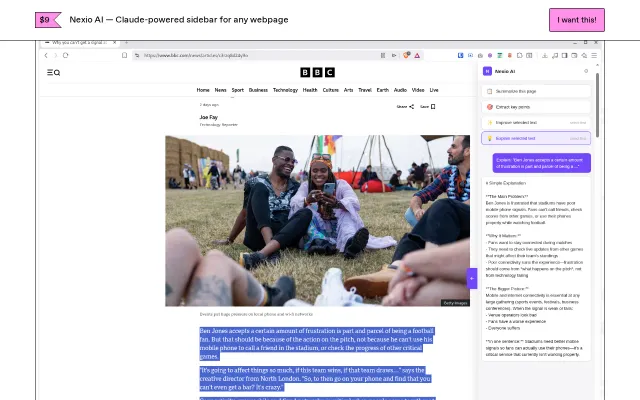
Claude sidebar + 5 Python scripts for $9, no subscription, CORS shadow DOM done right.
This brings the Vercel AI SDK ergonomics into Rust with a type-safe LanguageModelRequest builder, #[tool] macros to expose callable tools, streaming text and structured JSON outputs, and compatibility with Vercel UI stacks. The sheer provider count (70+) and ready-made agent tooling are compelling for Rust shops; quality will hinge on per-provider coverage and runtime compatibility, but the docs, examples, and CI indicate serious follow-through.