Developer Tools●●Solid
Djevops – Deploy Django Easily
Django deployment without Docker, but Heroku and PaaS alternatives already exist.
Solve My ProblemShip It
mherrmann
303mo ago
Self-host Django easily
Runs Django directly on a VPS using SSH+git, which is refreshingly opinionated for folks who find Docker overkill. Notable touches: automatic SSL based on ALLOWED_HOSTS and continuous SQLite backups via Litestream (S3/Blob targets), plus optional Celery/Redis support. It’s practical and focused, but the space is crowded (Fabric/Ansible/Dokku already exist), so its main appeal is simplicity and niche fit rather than novelty.
Backend/Django developers, solo devs and small teams who manage their own VPS hosting, and devops-lean projects that prefer minimal tooling over containerization
Django deployment without Docker, but Heroku and PaaS alternatives already exist.
Installs via pip and gives you an opinionated, SSH-driven workflow (djevops init → deploy) that runs Django processes directly and handles SSL and continuous SQLite backups via Litestream. It’s not reinventing deployment tooling, but the focus on Docker-less, bare-metal Django with built-in Litestream backups and optional Celery/Redis support makes it a very pragmatic choice for hobby projects or small apps where containers add overhead. Caveats: Ubuntu/Debian and root SSH are required, so it’s niche by design.
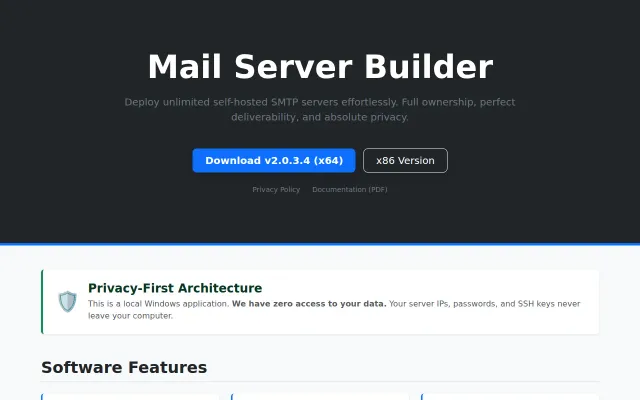
This is useful because it turns the infamous 'mail server final boss' into a largely GUI-driven, repeatable workflow: SSH provisioning, DKIM/SPF/DMARC setup, Let's Encrypt, firewall and fail2ban hardening, plus DNS automation via Linode API and installation logs for auditing. It doesn't invent a new mail stack — it wraps established components into a Windows-friendly multi-server manager — which makes it genuinely handy for Windows-first folks who'd otherwise fumble config files and deliverability pitfalls. Watch out for the usual caveats: choice of VPS (port 25) and DNS provider integrations limit the out-of-the-box experience.
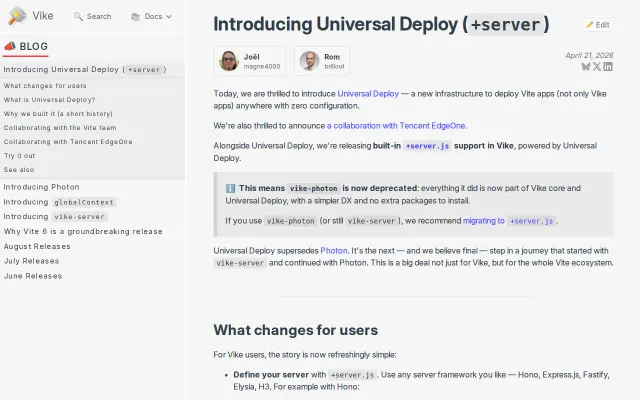
Unifies Vike server adapters into core, simplifying deployment for framework users.
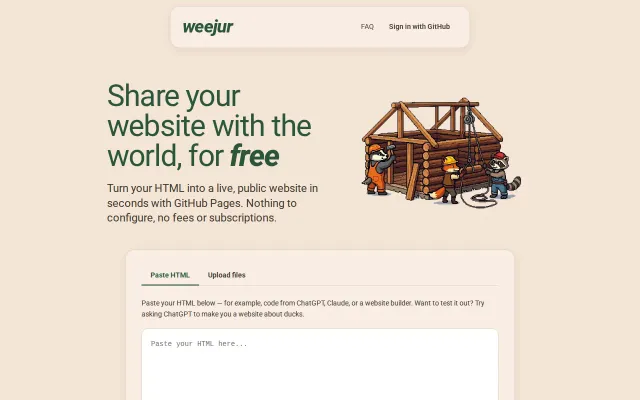
Paste HTML from ChatGPT and get a live GitHub Pages URL instantly.
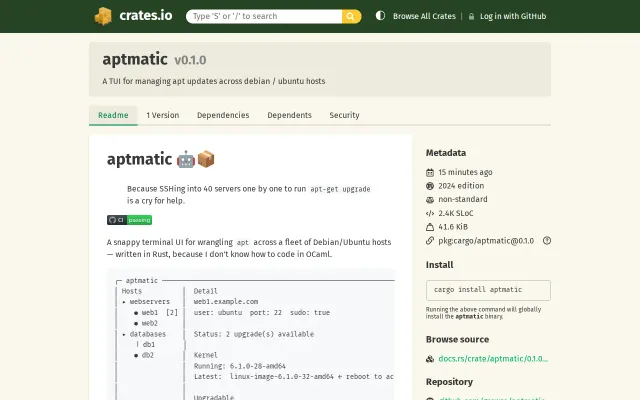
Finally, a terminal UI that makes apt-get upgrade across 40 servers bearable without Ansible overhead.