Security●●Solid
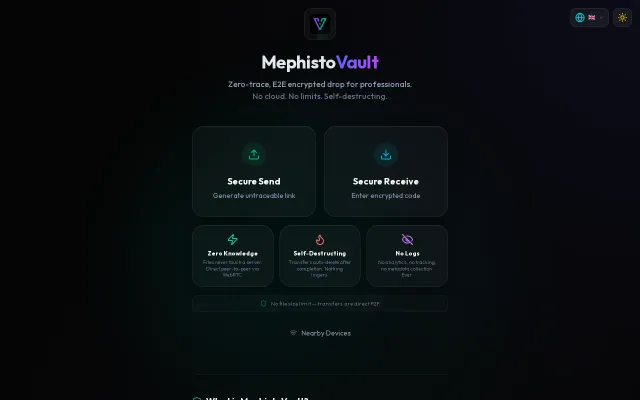
MephistoVault – Zero-storage P2P file transfer via WebRTC
WebRTC P2P file drop with no backend; but privacy UX is crowded (SnapDrop, OnionShare).
CozyZero to One
benmxrt
104mo ago
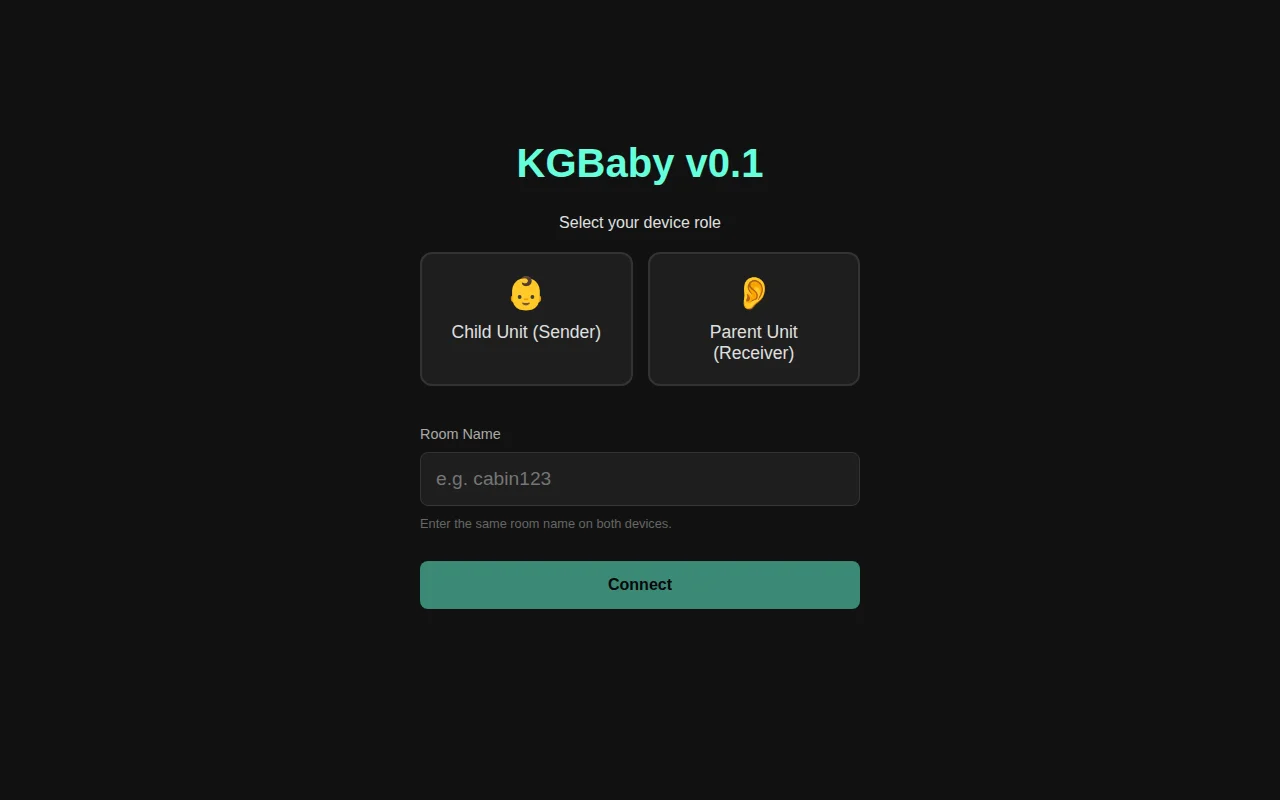
The project nails a practical niche: zero-latency P2P audio via WebRTC with PeerJS signaling so your stream never routes through a cloud service. The clever (if hacky) hidden 1x1 base64 looping video to keep Mobile Safari's microphone alive shows someone dug into platform quirks — useful and real-world, but also a reminder this is an MVP with battery and backgrounding tradeoffs.
Privacy-conscious parents, hobbyist hardware repurposers, and developers who want a DIY baby monitor
It is an open-source, zero-latency P2P monitor. Hardware reuse: You can repurpose an old phone or tablet to be the child unit instead of buying single-purpose hardware. Actually private: Unlike using a never-ending Google Meet or Zoom, your stream stays private via WebRTC (PeerJS for signaling). No cloud routing. The backgrounding hack: Mobile Safari aggressively kills background audio. I used a hidden 1x1 base64 looping video to keep the microphone active when the screen dims.
Links: Live Demo: https://legodud3.github.io/kgbaby/ Repo: https://github.com/legodud3/kgbaby
Welcome all feedback!
WebRTC P2P file drop with no backend; but privacy UX is crowded (SnapDrop, OnionShare).
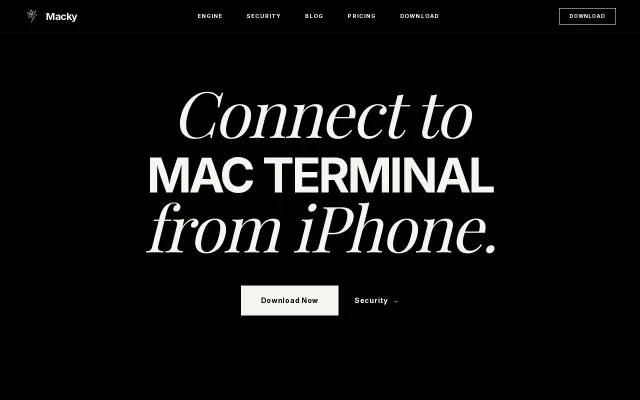
WebRTC + Master Password dual-auth is clever, but SSH + Tailscale already solve this better.
Linux namespaces avoid Docker overhead, but jitter kills performance past eight clients.
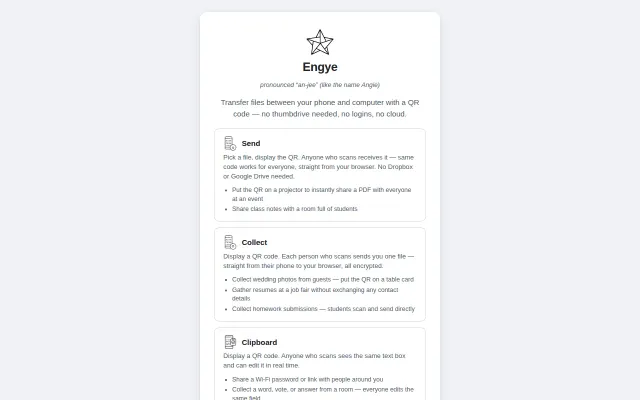
P2P file transfer via QR when Snapdrop and LocalSend already exist.
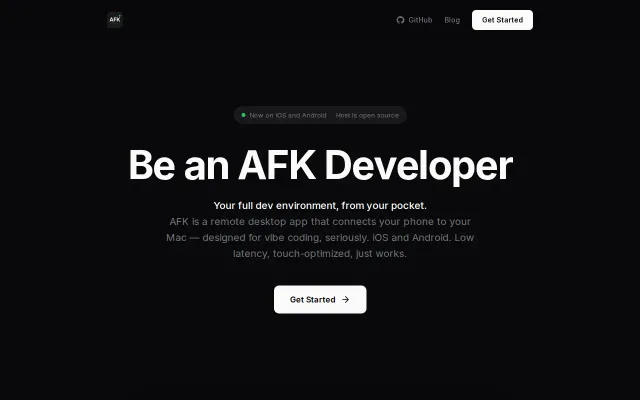
Voice input for AI agents beats typing on phone, but Chrome Remote Desktop already solved remote desktop.
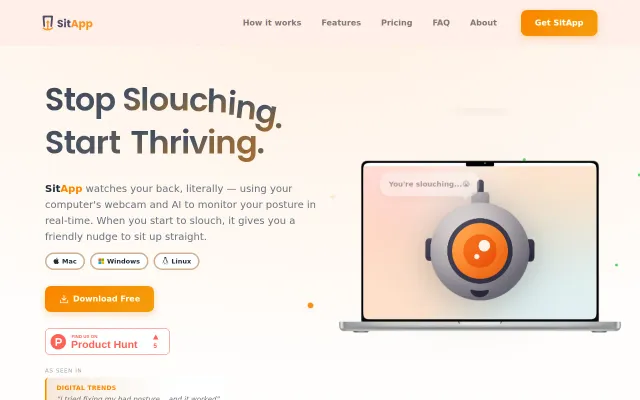
On-device AI posture coach that nags you before back pain starts.