Developer Tools●●Solid

Pulsar, live dashboard of all your PR, Engineering Manager dashboard
Smart PR sections auto-group by merge readiness when GitHub's UI gets overwhelming.
Solve My ProblemSlick
stumpyfr
202mo ago
Release orchestration and environment visibility for modern microfrontend architectures.
Multi-environment release dashboard aggregates GitHub+TeamCity+Jira in one control room, no agents.
DevOps engineers, release managers, platform teams managing multi-environment deployments
Harness · LaunchDarkly · Octopus Deploy
It doesn’t replace CI/CD or manage deployments. It sits above automation and focuses purely on visibility: - what version runs in each environment - how environments differ - what changed between releases
I’m currently using it in my own daily work and would really appreciate technical feedback, especially from teams with multi-environment pipelines.
Smart PR sections auto-group by merge readiness when GitHub's UI gets overwhelming.
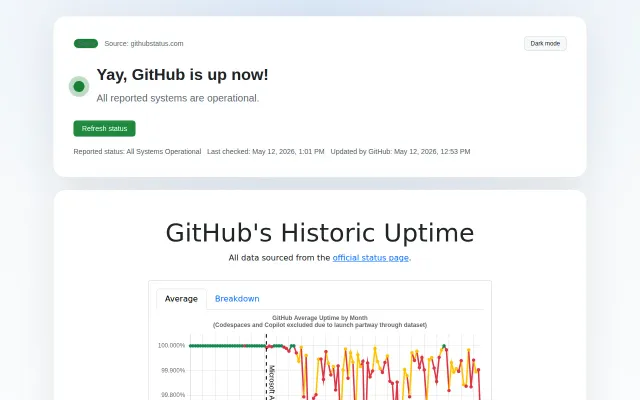
GitHub status wrapper that works when the official page is down.
Tagline-only landing page with zero technical substance to evaluate.
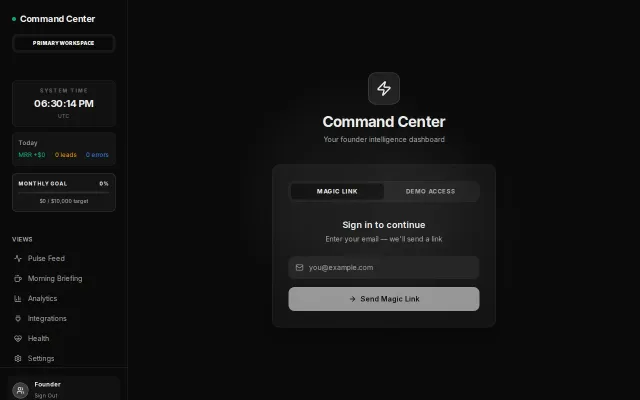
Yet another health dashboard when Exist.io and Cronometer already aggregate this data.
Multi-tool aggregator dashboard lands in crowded category; Zapier, Make, PagerDuty already own this.
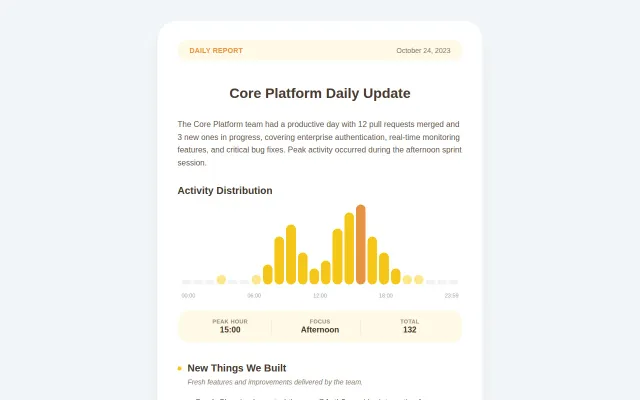
GitHub-to-English reports beat 'refactored auth module' but existing status dashboards exist.