Productivity●Mid
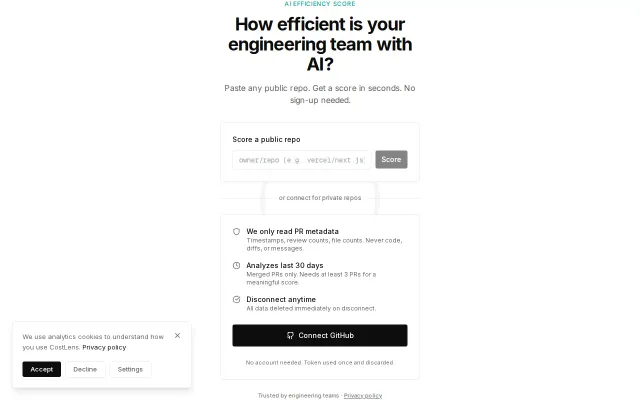
AI Efficiency Score – paste any GitHub repo, get a score in seconds
Vanity metric generator for engineering leaders who love dashboards.
Ship It
j_filipe
202mo ago
Quantifies contributor signal-to-noise; solves real open-source triage pain.
Open-source maintainers, project leads managing high-volume repositories
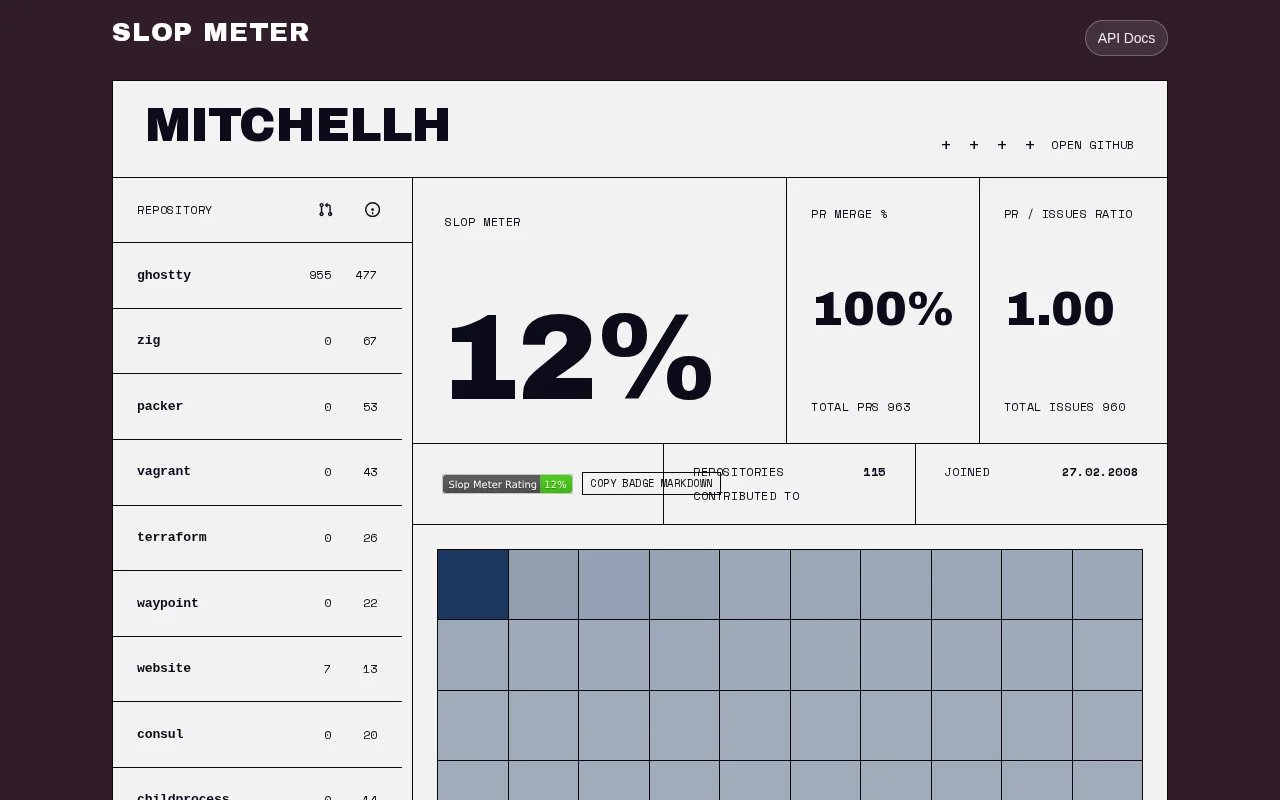
There's recently been a lot more discussion around this due to AI, so I've built a simple tool called "Slop Meter" [1]. It gives maintainers a quick snapshot of the user's history in open source:
1) Do they just open issues and expect you to do everything, or will they put in the work to fix the problems and open a PR? What's the issues : PR ratio? 2) If they do contribute, what percentage of their PRs actually gets merged?
I feel like these are the two most important signals when triaging what to pay attention to in open source.
You can install this on any Github repo and it will automatically post a comment with the stats. We do not run this on maintainers or existing contributors.
You can also go on the web and look up a Github profile; it will take a minute or so to import depending on how much public data they have (maybe longer if this makes the front page...).
Example profile: https://slopmeter.kernellabs.ai/u/mitchellh
If you are an OSS maintainer, I'd love to hear any feedback.
[0] https://www.alessiofanelli.com/posts/how-can-we-help-oss-mai... [1] https://slopmeter.kernellabs.ai/
Vanity metric generator for engineering leaders who love dashboards.
Instead of chasing unreliable "AI fingerprint" heuristics, this action flags PRs using three blunt but practical signals — Velocity (how fast complex changes appear), Shotgun (many unrelated PRs from the same account), and Ghost (account age). It’s a small, sensible tool you can drop into a repo (bundled dist, single triage comment) that will immediately reduce the noise; just watch for false positives around rapid expert contributors and consider tuning thresholds.
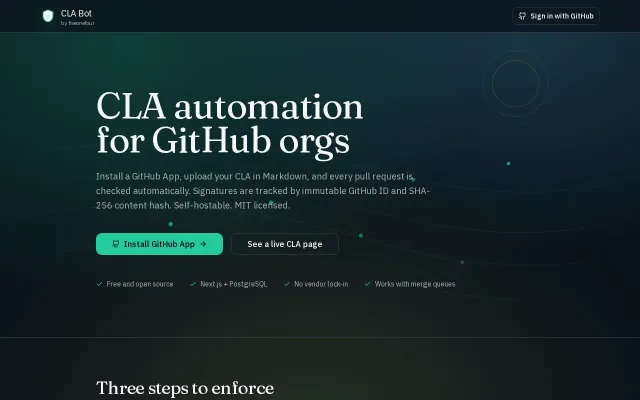
Append-only audit trail with merge queue support beats cla-assistant.io on edge cases.
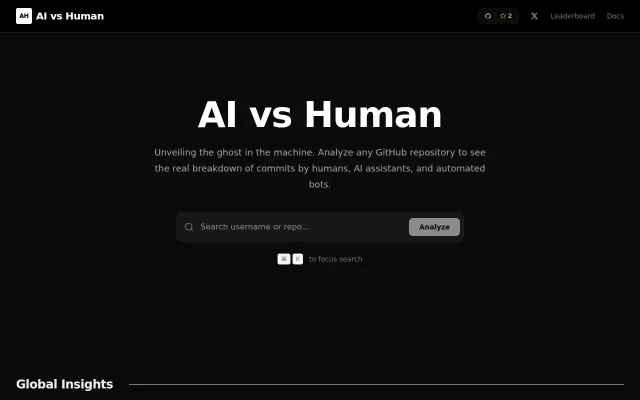
AI adoption dashboard for GitHub, but detection accuracy fully depends on commit message patterns.
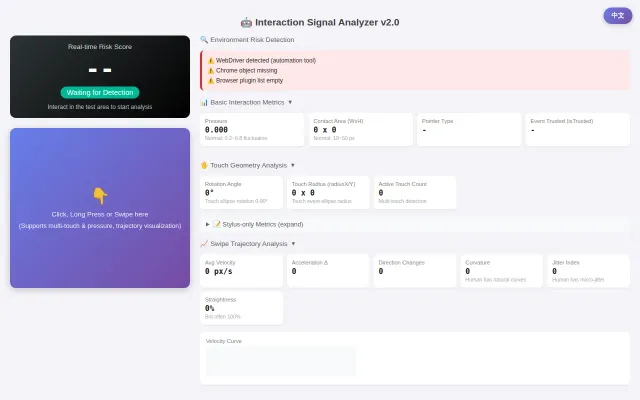
Client-side bot scoring via touch pressure and trajectory jitter in one file.
Five-second verdict on whether a GitHub bounty is worth your evening.