SaaS●●Solid
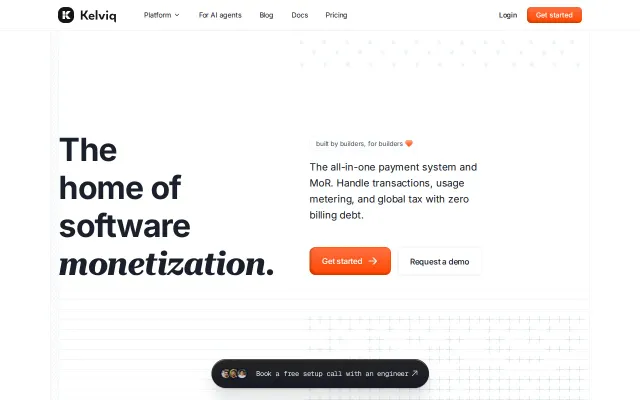
We built a zero-webhook Merchant of Record for SaaS
Zero-webhook MoR replaces Stripe+custom billing, but enterprise payment platforms already crowd this space.
Solve My ProblemSlick
alokdubey007
344mo ago
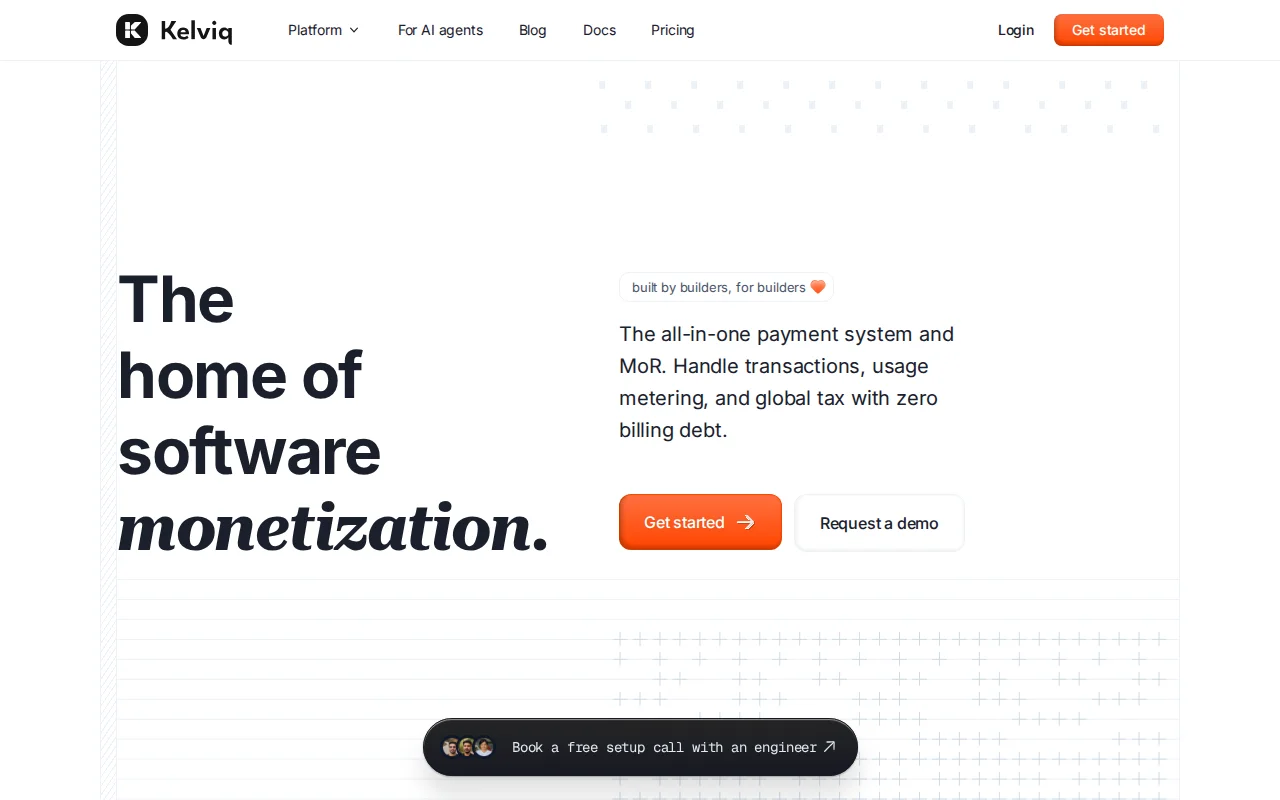
Zero-webhook MoR when Paddle and LemonSqueezy already dominate this space.
SaaS founders and AI company developers
Paddle · LemonSqueezy · Stripe Billing
For the past few months, we've been building Kelviq and it's finally ready to share.
Kelviq is a Merchant of Record (MoR) and monetization platform that you can integrate without building a custom webhook-to-database syncing layer. Along with handling global taxes, checkout, and compliance, it acts as the real-time source of truth for your users feature access and usage credit balances.
Why we built this: Through our other project, ParityDeals, we saw firsthand how much founders struggle with billing infrastructure. Integrating a payment gateway is easy, but actually building "monetization" is a massive engineering timesink.
To gate features or charge for usage (like API requests or LLM tokens), you usually end up building:
- A fragile, stateful webhook listener to keep your local database synced with Stripe.
- Custom idempotency layers and retry queues for missed events.
- Hardcoded feature flags scattered across your codebase to gate access based on tiers.
- Custom scripts to handle edge cases like upgrades, prorations, and grandfathering legacy users.
Because of this tight coupling, every pricing change, whether it's moving a feature to a new plan or switching from flat-rate to usage-based, requires a database migration and a code deploy.
Our Approach: Entitlement-First Most billing setups require you to manually bridge the gap between a payment event and your product state. Kelviq simplifies this with an entitlement-first model. You can still use webhooks if you need them, but our SDK allows your app to simply ask Kelviq for a user's current access state at runtime. It eliminates the need to maintain a homegrown subscriptions table just to gate a feature.
How it works:
Zero Webhook Syncing: Stop maintaining a homegrown subscriptions table. Use Kelviq SDK to check if a user has access to a feature before serving the request.
Real-Time Metering: Push usage data to our API at the atomic level (e.g., 1,500 AI tokens). We instantly evaluate it against their tier, deduct from credit balances, or add it to their end-of-month invoice.
Decoupled Pricing: Product and growth teams can change pricing models or tweak overage caps directly in the dashboard without engineers touching the codebase.
We built this to compress weeks of custom billing logic into a few hours of integration. Kelviq also supports multi-currency, built-in PPP pricing (with VPN and proxy protection), and digital product delivery with licensing.
Any feedback is highly appreciated!
Zero-webhook MoR replaces Stripe+custom billing, but enterprise payment platforms already crowd this space.
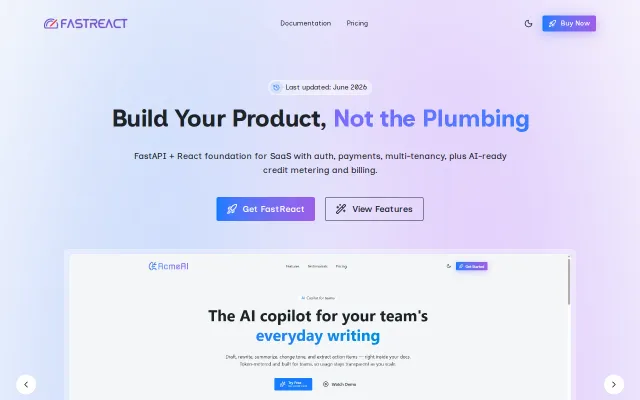
Yet another SaaS boilerplate, but AI credit metering is actually wired up.
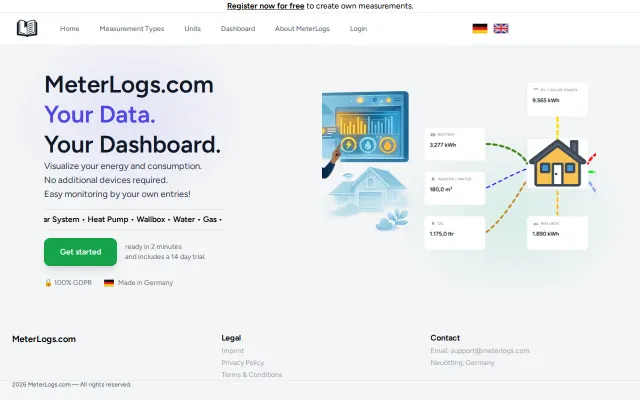
You enter monthly meter readings and MeterLogs turns them into grouped yearly dashboards (electricity, water, gas, solar production/feed‑in) — a deliberately pragmatic, no-hardware play. The site leans on trust signals (GDPR, Made in Germany) and a tidy starter flow, but it'd win more converts with CSV import, easier mobile entry, or optional utility integrations.
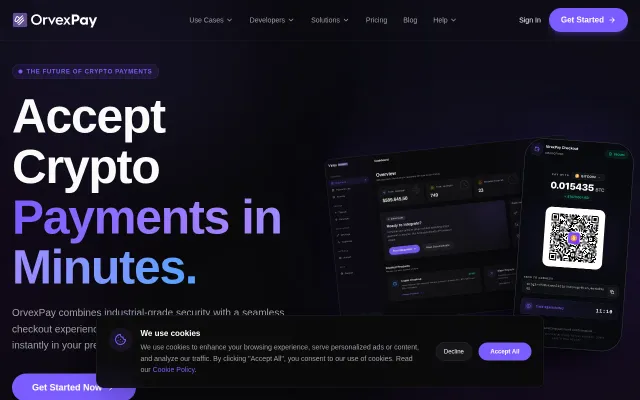
Crypto payments simplified, but Stripe, Coinbase Commerce, and BitPay already own this.
This is essentially a salon OS: drag-and-drop calendar with conflict detection, a branded booking page, invoicing, custom automation workflows and an AI assistant that can reply and book across messaging channels. The honest hook is the pricing/data pitch — flat monthly fee, no commissions and client data that stays with the owner — but success will hinge on robust payment/messaging integrations and smooth migration from entrenched competitors.
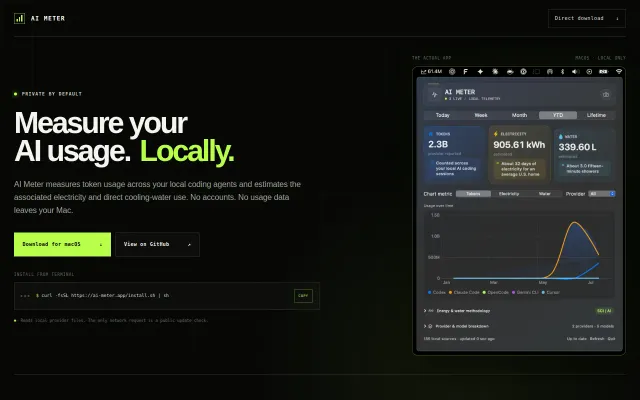
Tracks token burn and water cost locally when no one else measures impact.