Other○Pass
Apophis flagged as close approacher 24 years early, 45-day arc
403 Forbidden error means nobody can actually access this research data.
mojoatomic
202mo ago
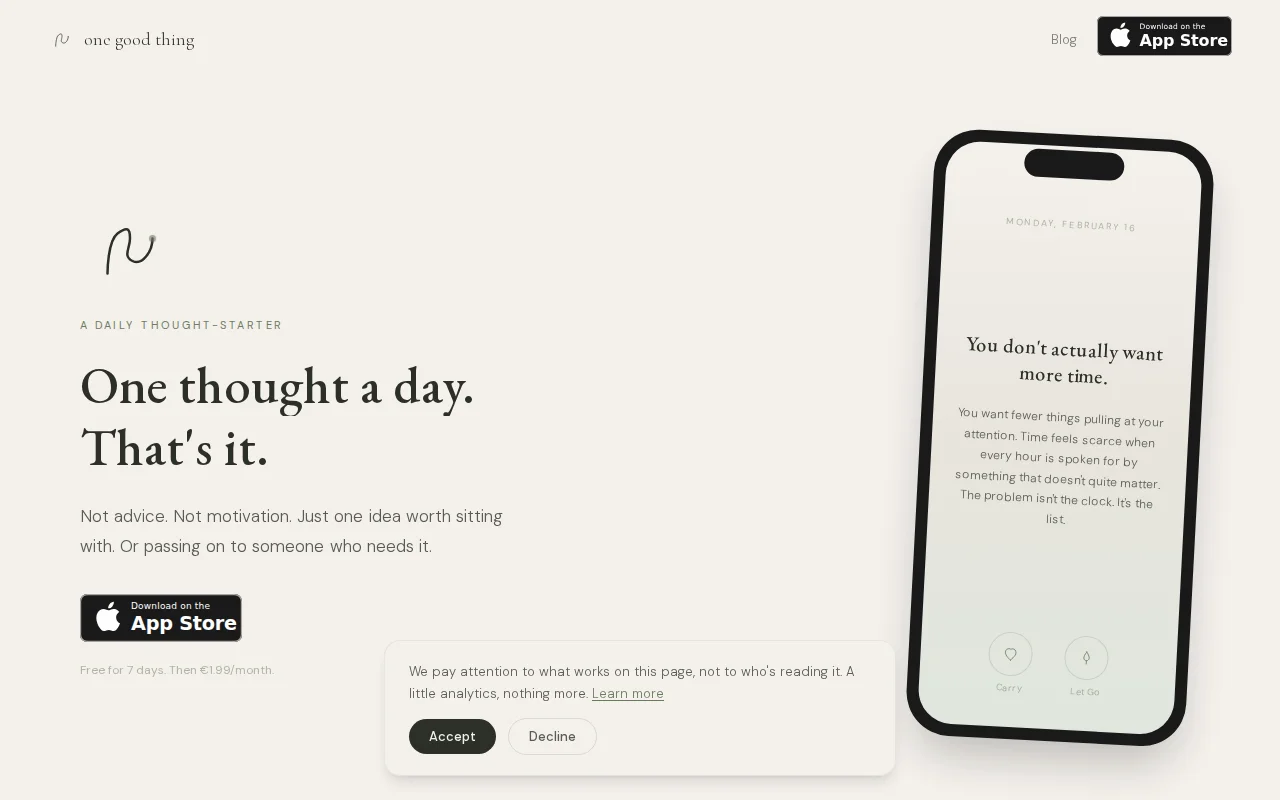
Smart paywall design: content blur instead of hard brick, aligned with mindfulness goals.
People seeking mindfulness without gamification or engagement-maximizing tactics
Headspace · Calm · Thought for the Day
The backstory: I spent three months on research before writing a line of code. Two things had to be true first: the content had to be genuinely different from the wellness space, and the monetization couldn't contradict what the product was trying to do.
On content: I read research on decision fatigue, attentional residue, and the paradox of choice. Most "thought of the day" apps are fortune cookies with better design. I wanted cards that made people sit with something uncomfortable, not cards that made them feel validated. 1,250 cards written and tagged across 12 content buckets before launch.
On monetisation: most wellness apps monetise by maximising session time, which is directly at odds with a mindfulness tool. I landed on charging for what the app actually does. Seven-day trial, then €1.99 a month or €39.99 lifetime. After trial, content progressively blurs rather than hard-bricking.
What it does: One thought per day. A headline (max 10 words) and a body (max 120 words). You Carry it or Let Go. The app asks you to close it. Under two minutes. Cards are selected server-side by a Resonance Loop algorithm. Days 1 to 14 cycle through all 12 buckets. From day 15, selection weights toward buckets the person resonates with based on carry/let-go signals, with 20% exploration to prevent filter bubbles and 10% heat (cards with high community share rates).
Built with Claude Code, as a non-engineer: I knew nothing about Swift, SwiftUI, Firebase, or Cloud Functions when I started. I mean I knew what they were, but not from a code perspective. Built the whole thing with Claude Code as pair programmer.
The unexpected thing: you can ask genuinely stupid questions without fear of judgment. I asked about async/await race conditions four different ways until it clicked. I can now read Cloud Function logs and debug Firestore rules. Not because I studied them, because building the thing forced me to learn and I had a patient collaborator the whole time.
The QA lesson: This is what I would tell anyone using AI-assisted development. The code comes fast. The bugs are subtle.
14 builds before App Store approval. A code review found notifications had silently died after day 7 because the scheduler was never called on app open. A widget timezone mismatch gave US users the wrong card. A reinstall sync bug wiped returning users' history every time. None of these were caught by the AI. All were caught by systematic, edge-case-focused testing.
The underrated skill in AI-assisted development is not better prompting. It is thorough QA.
For a longer read on the research and philosophy behind this: https://onegoodthing.space/blog/the-app-that-asks-you-to-clo...
App Store: https://apps.apple.com/app/one-good-thing/id6759391105
Happy to dig into the algorithm, the SwiftUI patterns, the Cloud Functions architecture, or the Claude Code workflow.
403 Forbidden error means nobody can actually access this research data.
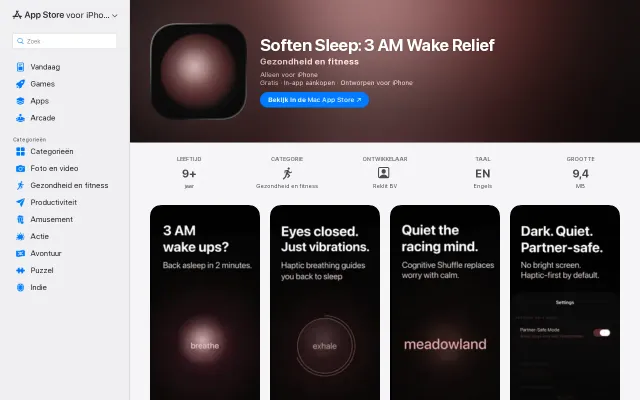
Specific sleep problem, but relies on unproven Stanford study interpretation.
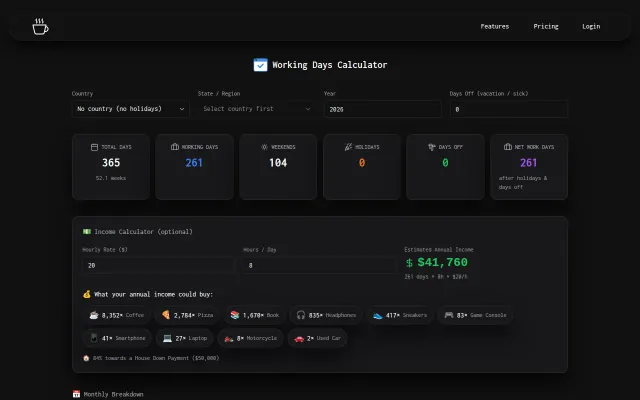
Working days calculator that tells you your salary in coffees instead of dollars.
Visual APNS payload editor replaces xcrun simctl push commands with folder organization.
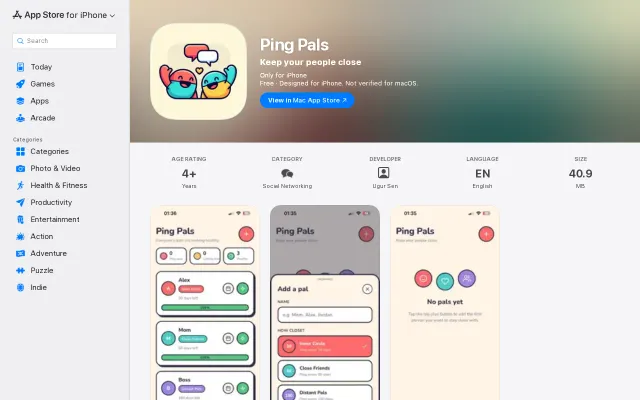
Relationship tracker with tiered reminders when similar apps already exist.
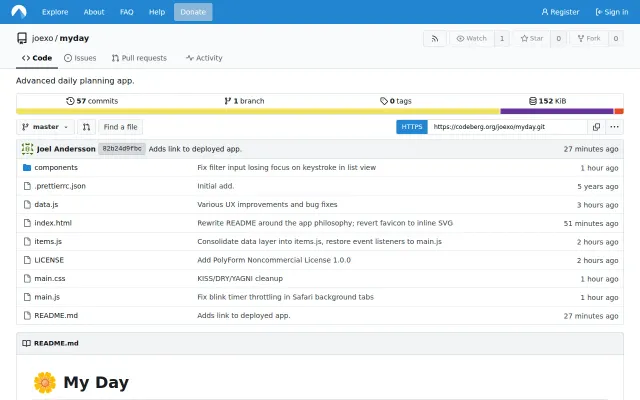
Yet another daily planner when Todoist and Things already dominate this space.