Security●●Solid
Threat hunting command system for agentic IDEs
Five-phase hunt methodology for Claude Code and Cursor security workflows.
Niche GemShip It
bb-connor
302mo ago
Rapidly Search and Hunt through Linux Forensics Artifacts
Sigma rules for Linux forensics when Chainsaw only does Windows.
DFIR professionals, security researchers, incident responders
Chainsaw · osquery · Velociraptor
Five-phase hunt methodology for Claude Code and Cursor security workflows.
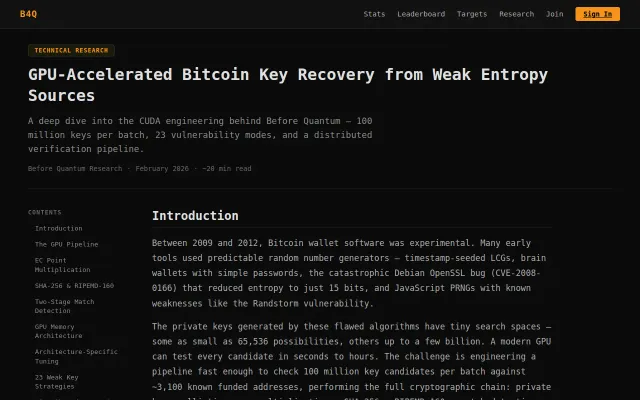
This reads like a GPU engineer's field notes — one ~3,400-line CUDA file implements a full per-thread crypto pipeline (key gen → EC multiply → SHA-256 → RIPEMD-160) and a two-stage bloom+binary-search matcher to check ~3,100 targets at ~100M keys per batch. The article digs into concrete low-level choices (LUT layout, memory hierarchy, __ldg reads, atomicCAS reporting, and per-mode keygen strategies), which is rare in public writeups; downside is it's closed-source and the dual-use/ethical implications should be called out more explicitly.
Forensic scanner claiming 7GB/s NVMe speeds that admits it hasn't been tested on NVMe yet.
7GB/s forensic scanning with SIMD and async prefetch beats grep by 10x.
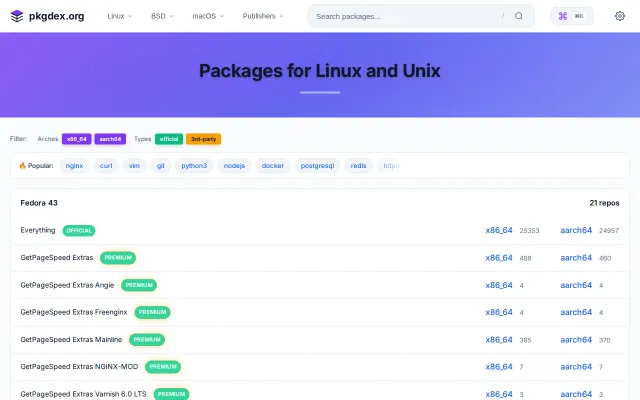
Cross-distro package search at scale—useful but pkgdex.org already does this.
AI wrapper on Artifactory — semantic search for binaries JFrog already tracks.