Security●●Solid
Trust Vault – encrypted file vaults with flexible key management
Shamir's Secret Sharing on desktop vaults is a rare find for personal encryption tools.
CozyNiche Gem
midaef
109d ago
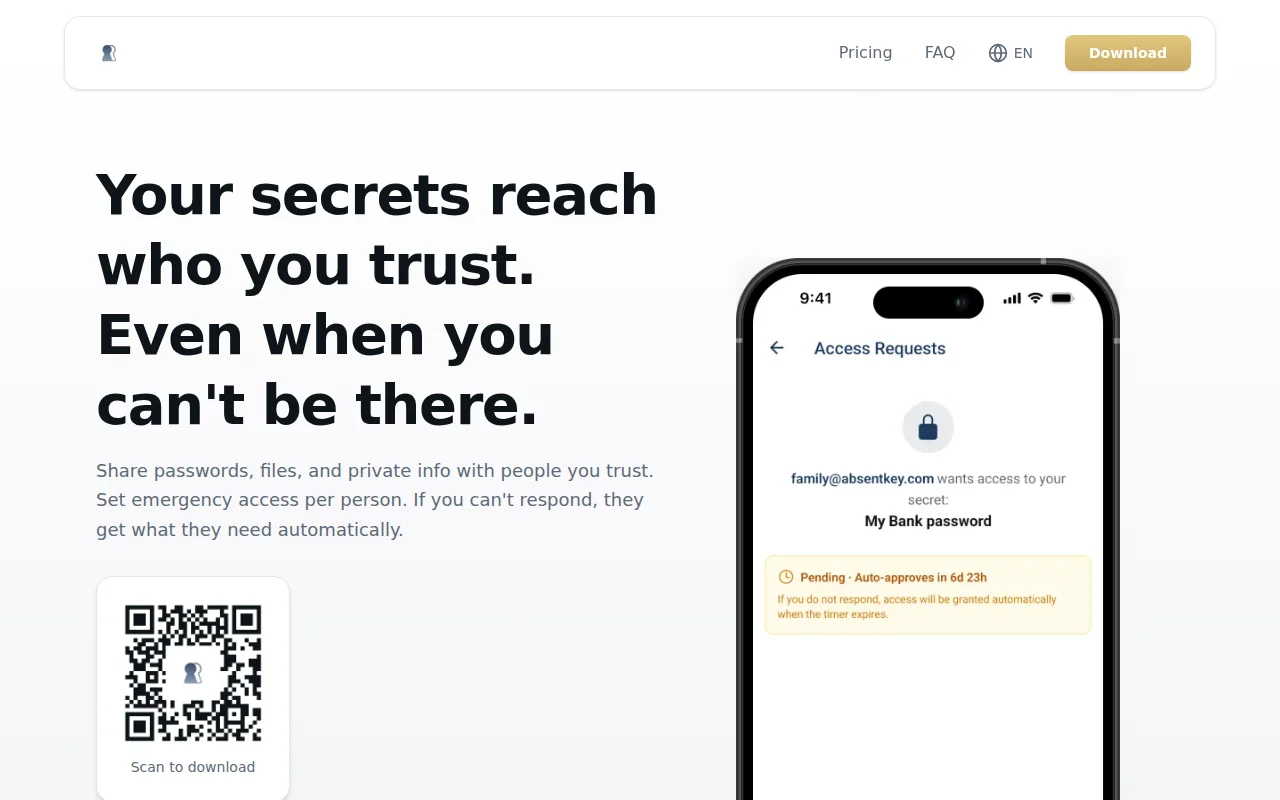
Timer starts when someone requests access — no false positives from vacation check-in failures.
Anyone needing emergency access to passwords and documents for family or colleagues
1Password Emergency Access · Bitwarden Emergency Access · Dead Man's Switch
So I built something different. In AbsentKey, you share your files/secrets then nothing happens until someone requests access. When they do, I get a notification and can approve or deny. If I don't respond within the timeout I set for that person, they get access automatically. The timer only starts when someone actively asks. No check-ins, no heartbeats.
You can set different timeouts per person per secret. My wife gets 3 days. My business partner gets 30. Whatever makes sense.
On the crypto side: everything is encrypted on the phone before it goes anywhere. 12-word BIP39 mnemonic, HKDF-SHA256 into an X25519 keypair via libsodium. Content gets a random 32-byte key, encrypted with XSalsa20-Poly1305. That content key is sealed to the owner's public key with crypto_box_seal. When you add a recipient, the content key gets re-encrypted to their public key via crypto_box_easy so the server stores sealed keys for both parties but can't open either. On approval or timeout, the recipient's app unseals locally.
Private key stays in iOS Keychain / Android Keystore. Server stores the public key and a BLAKE2b-256 hash of the private key (for detecting rotation, one-way).
What the server actually has: public keys, one-way hashes, encrypted blobs in R2, and sealed content keys it can't decrypt. One thing worth mentioning secret titles are in plaintext so you can browse your list without decrypting. The content is encrypted, the label isn't. It's a UX trade-off I'm still thinking about but I made it optional for this case.
The mobile client is source-available on GitHub. Not open source the license is inspect-and-verify, not fork-and-compete. Backend is closed. But you can read every line of crypto, every API call, every byte that leaves the phone. That's the point: don't trust my claims, read the code.
This is not a password manager. Bitwarden handles your access to your stuff. This handles someone else's access to your stuff.
Stack: Cloudflare Workers + Hono + D1 + R2, React Native/Expo, Astro. Crypto via react-native-libsodium and @noble/hashes.
Shamir's Secret Sharing on desktop vaults is a rare find for personal encryption tools.
Eight years of maintenance but privnote and 1Password already solve this.
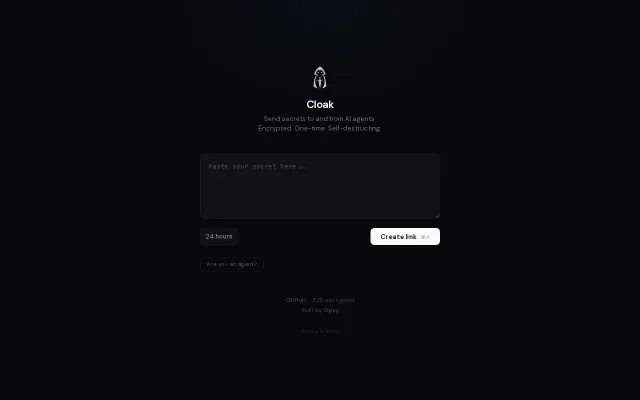
Secret sharing for AI agents when Privnote and Bitwarden Send exist.
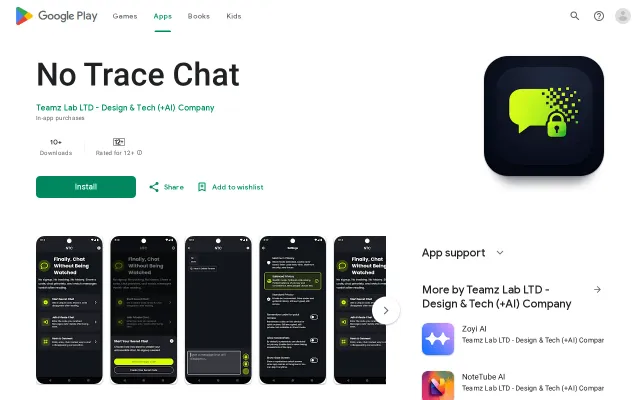
Signal + Wire already offer disappearing E2E messages; code-based rooms add friction, not security.
GitHub-as-untrusted-storage with XChaCha20 is clever, but 1Password and Vault already own secrets.
Intercepts pastes, masks 30+ secret types locally—zero network requests or tracking.