Gaming●●Solid
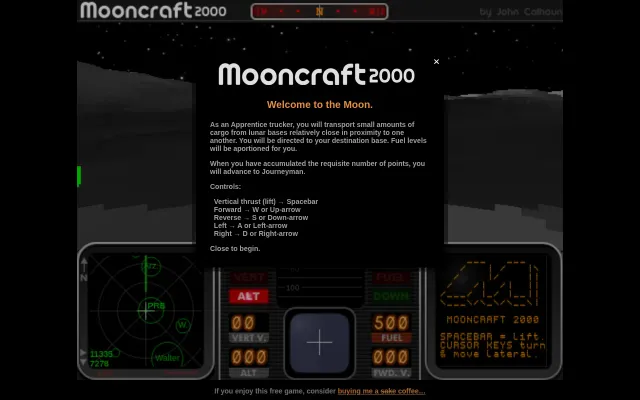
Moon simulator game, ray-casting
Ray-casting engine brings retro Wolf3D vibes to a browser-based moon trucking sim.
CozyNiche Gem
JKCalhoun
114253mo ago
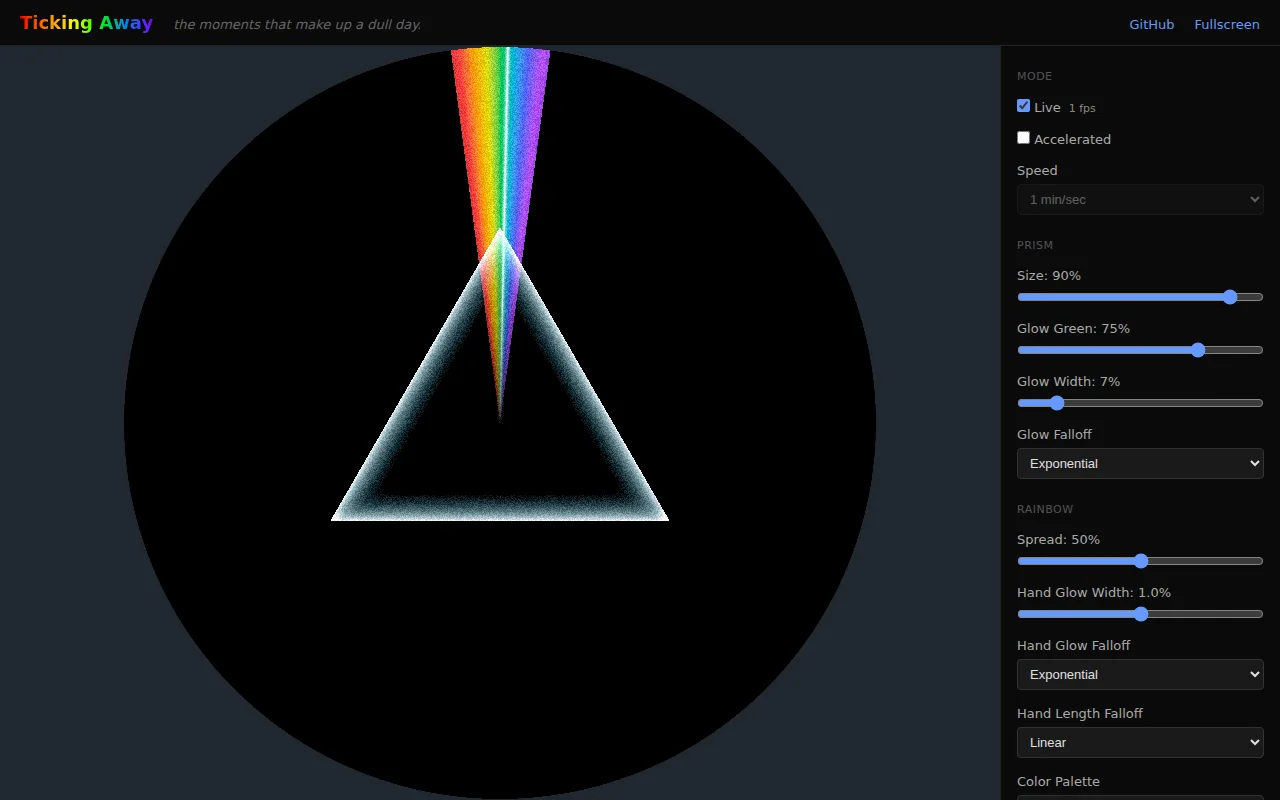
Zig-powered prism clock targeting WASM, e-ink, and bare-metal from one codebase.
Zig developers, e-ink display hobbyists, Pink Floyd fans
Pebble watchfaces · Inky e-ink displays · Trmnl
It's written in Zig, which lets me target the browser (WASM), a Raspberry Pi Zero 2 W driving a 13.3" e-ink display as a wall clock, a Pico 2 for bare-metal battery operation, and eventually the Pebble Round 2 smartwatch.
I built it with Claude Code (Opus) as an experiment in AI-assisted coding while keeping real ownership of the code. Claude does the fast iteration, I make the architecture decisions and refactor by hand. Every line in lib/ is reviewed and curated. Hybrid workflow, not autopilot.
The rendering went through a few iterations. Started with physical dispersion using Cauchy's equation, but tuning the coefficients for all 720 time combinations was a nightmare and some just looked bad. Then I tried bouncing light inside the prism, which was better but had ugly corner cases. In the end I dropped the physics and went with a simple traced path that always looks good. 360 commits of learning what to throw away.
Ray-casting engine brings retro Wolf3D vibes to a browser-based moon trucking sim.
Real orbital mechanics with RK4 integration running entirely in your browser.
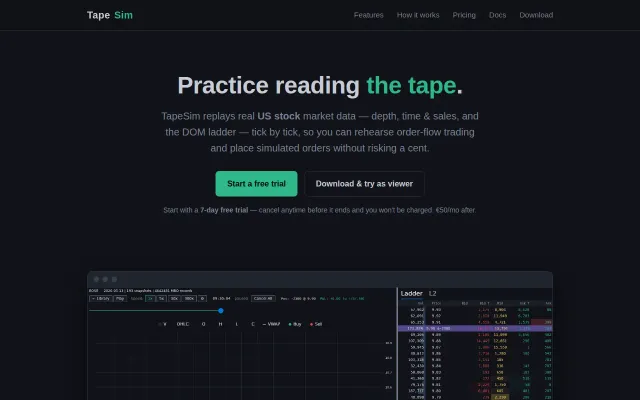
Native desktop app for tick-by-tick order book replay without broker risk.
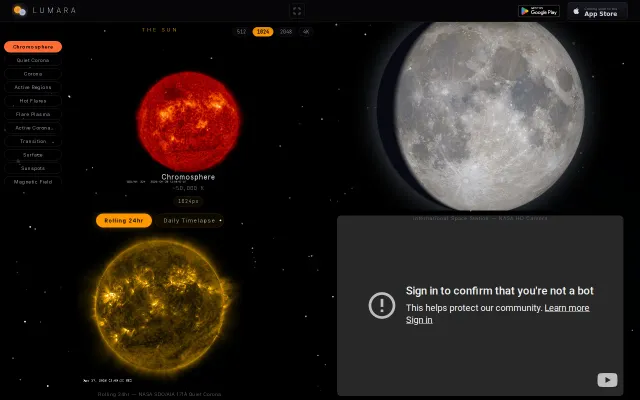
Real-time NASA solar feeds paired with offline moon phase math is a killer combo.
15-year-old library revived with 20x moon accuracy verified against US Naval Observatory.
Oren-Nayar BRDF solves opposition surge correctly where standard PBR fails completely.