Developer Tools●●●Banger
Canon PIXMA G3010 macOS driver, reverse-engineered with Claude
First public documentation of Canon's CHMP protocol, reverse-engineered from iPhone app captures.
WizardryBig BrainSolve My Problem
pdrgds
202mo ago
MCP/Skills/CLI/libs to Decode Figma's binary Kiwi wire protocol: extract scenegraph, SVGs, and CSS from WebSocket frames, bypassing REST API rate limits.
Bypasses Figma's REST rate limits by decoding the Kiwi wire protocol directly.
Developers building Figma integrations or AI coding tools
Figma REST API · Official Figma MCP Server · figma-js
~I~ Claude built a tool that decodes Figma's internal binary protocol (Kiwi format over WebSocket) to extract the full scenegraph — every node, vector path, and style — without hitting the REST API.
Why: Figma's REST API has aggressive rate limits. The official MCP server requires a paid Dev Mode plan. I needed to explore designs from my AI coding tools without constantly getting 429'd.
It helps me to: 1. extract the svg in a clean way (even the SVG export from figma likes to write the path as 12.0000001, even though the protocol does have 12 in it) and images 2. Get mapping from what I see in figma <-> what i see in the exported html 3. It helps me help our designer to produce an actual "resizable" figma, so that they finally understand the pain of "ok it works when you click play on the iphone 17 frame you put, but what about an iphone12 ?" (I was always able to say that, but before I wasn't able to point out what was wrong, now I can)
How it works: When you open a Figma file in the browser, the editor loads the entire scenegraph via WebSocket as Kiwi-encoded binary frames. This tool captures those frames via Chrome DevTools Protocol, decodes the binary data (including two undocumented vector formats), and gives you structured JSON.
What Claude reverse-engineered: - The fig-wire frame format (schema delivery over WebSocket) - commandsBlob: Figma's pre-computed SVG path commands (MoveTo, LineTo, CubicBezier, ClosePath) - vectorNetworkBlob: the editable path data (vertices, segments with Bezier tangent handles, regions with loops) - All three are documented as Kaitai Struct specs (.ksy) so you can generate parsers in any language
Ships as: JS lib (zero deps), CLI, MCP server (Cursor/Windsurf/VS Code), and Claude Code plugin.
Binary format specs, sample fixtures, and everything else: https://github.com/allan-simon/figma-kiwi-protocol
I'm not a lawyer but my understanding is this is an interoperability tool under EU Directive 2009/24/EC Article 6. No Figma code is included: it only decodes the wire format of data transmitted to your own browser.
First public documentation of Canon's CHMP protocol, reverse-engineered from iPhone app captures.
Title-only post with no code, demo, or actual substance to evaluate.
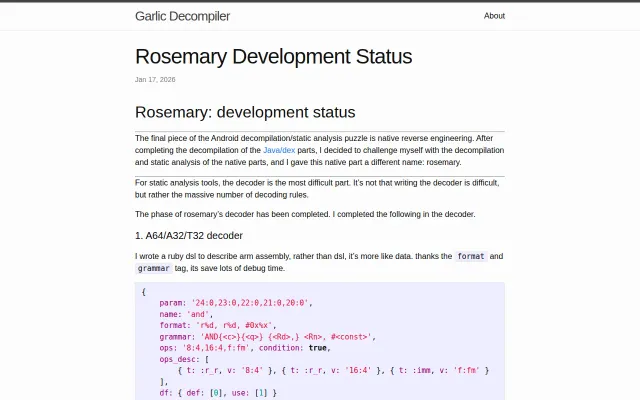
Ruby DSL generates C decoders for 5600 ARM instructions instead of manual coding.
Blog post comparing AI reverse engineering skills, not an actual tool or product.
Bit-perfect Apple URL compression reverse engineered in Go and JavaScript.
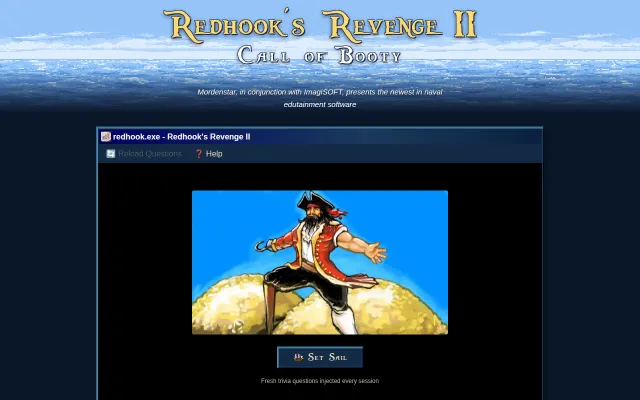
Binary patching that keeps a 30-year-old DOS engine running while swapping content.