Infrastructure●Mid
VersityGW COSI Driver – Manage S3 Buckets as Kubernetes CRDs
COSI spec implementation for VersityGW—declarative buckets via YAML.
Niche Gem
isac322
202mo ago
A high-performance, enterprise-grade tool for identifying differences between S3-compatible buckets. Built by Nutanix for production workloads requiring reliable bucket synchronization verification, migration validation, and compliance auditing.
Validates ObjectLock and WORM status where aws s3 sync only checks object ETags.
DevOps engineers, Cloud architects, Data migration teams
s5cmd · AWS CLI · rclone
Existing tools like AWS CLI (aws s3 sync --dryrun) and s5cmd (--dry-run) are great for many workflows, but we had slightly different requirements for deeper and more flexible comparisons. That led us to build this tool, and we’ve now open-sourced it for broader use.
Key Features:
1. Bidirectional diff: Given two buckets A and B, the tool reports both (A−B) and (B−A).
2. Shallow Check Mode: Compares object name + ETag to determine presence.
3. Deep check mode: Compares tags, metadata, and ObjectLock/WORM via HeadObject.
4. Resumability: Checkpointing allows long-running jobs to resume seamlessly. For example, a 10M-object run interrupted at 8M continues from where it left off.
Performance (500K objects): Shallow mode: ~3,900 objects/sec Deep mode: ~1,345 objects/sec (25 worker processes)
The tool works across any two S3-compatible buckets.
Happy to discuss any query regarding the tool!
COSI spec implementation for VersityGW—declarative buckets via YAML.
S3-based email is novel, but no docs explain why this beats IMAP clients.
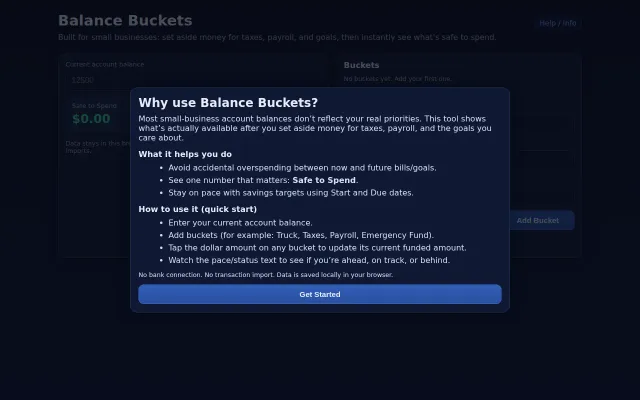
Envelope budgeting for small biz owners, but YNAB and Copilot Money exist.
7,000 bucket list ideas with filters, but it's just a curated directory.
Postgres RLS plus S3 bucket policies in one CLI for DuckLake auth.
Dual-mode isolation with separate DHT namespaces is clever, but Session and Briar exist.