Developer Tools●●Solid
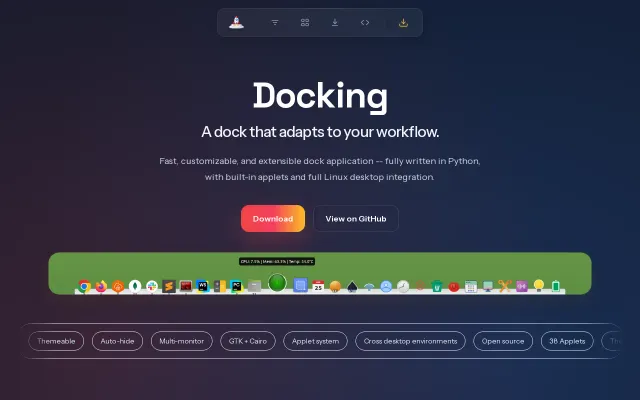
Docking – extensible Linux dock in Python
38 built-in applets including AI tracking beat Plank's bare-bones launcher approach.
CozyNiche Gem
edumucelli
26182mo ago

Native Python WYSIWYG without HTML layers or embedded browsers.
Python developers and tinkerers who want hackable document editors
LibreOffice Writer · AbiWord · Zettlr
Finding a good data structure for a word processor is a difficult problem. My notebook diaries on the problem go back 25 years when I was frustrated with using Word for my diploma thesis - it was slow and unstable at that time. I ended up getting pretty hooked on the problem.
Right now I’m taking a professional break and decided to finally use the time to push these ideas further, and build MiniWord — a WYSIWYG word processor in Python.
My goal is to have a native, non-HTML-based editor that stays simple, fast, and is hackable. So far I am focusing on getting the fundamentals right. What is working yet is:
- Real WYSIWYG editing (no HTML layer, no embedded browser) with styles, images and tables.
- Clean, simple file format (human-readable, diff-friendly, git-friendly, AI-friendly)
- Markdown support
- Support for Python-plugins
Things that I found:
- B-tree structures are perfect for holding rich text data
- A simple text-based file format is incredibly useful — you can diff documents, version them, and even process them with AI tools quite naturally
What I’d love feedback on:
- Where do you see real use cases for something like this?
- What would be missing for you to take it seriously as a tool or platform?
- What kinds of plugins or extensions would actually be worth building?
Happy about any thoughts — positive or critical. Greetings
38 built-in applets including AI tracking beat Plank's bare-bones launcher approach.
Git-friendly spreadsheet format, but no parsers or ecosystem to actually use it.
DataFrame diffing for Polars with ASCII output when pandas comparisons fall short.
SQLGlot-powered formatter for Python-embedded SQL with template-aware skipping.
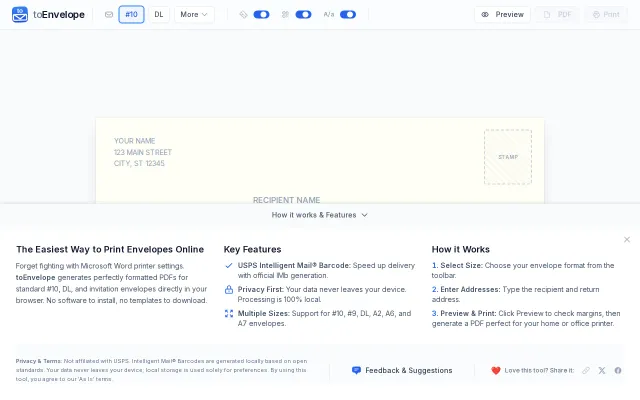
This shaves a boring but real pain down to a tiny, usable tool: pick an envelope size, type addresses, preview, and export a PDF tuned for common printers. Generating USPS Intelligent Mail barcodes locally and keeping everything client-side is a clever, privacy-friendly touch. It feels aimed at practicality rather than novelty—would love CSV/address-book import and clearer mobile support to make it indispensable.
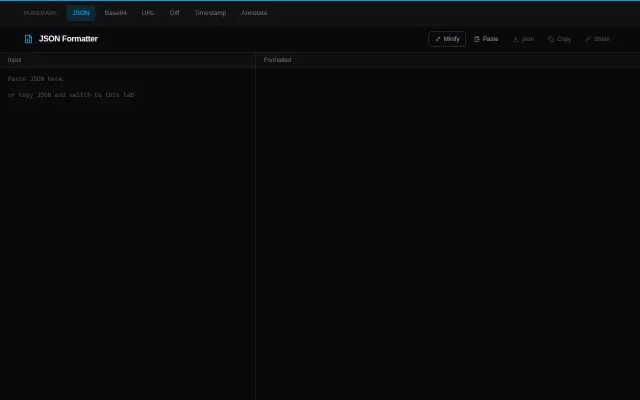
Auto-detecting JSON/Base64 formatter, but CyberChef and browser DevTools do this better.