Developer Tools●●Solid
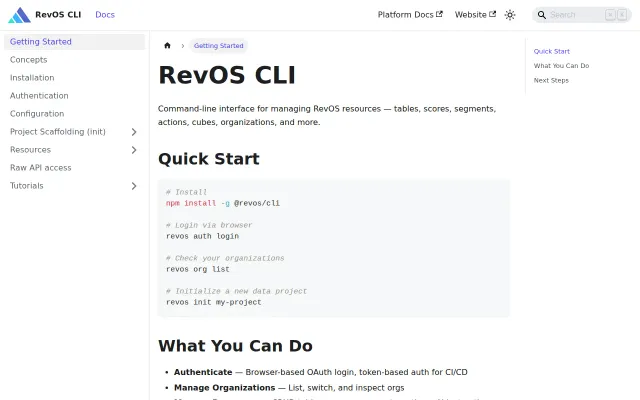
Scaffold a BigQuery and dbt and Cube project an AI agent can operate
Medallion layout scaffolding with AI companion files for agent-operable data projects.
Solve My ProblemNiche Gem
zubairov
8329d ago
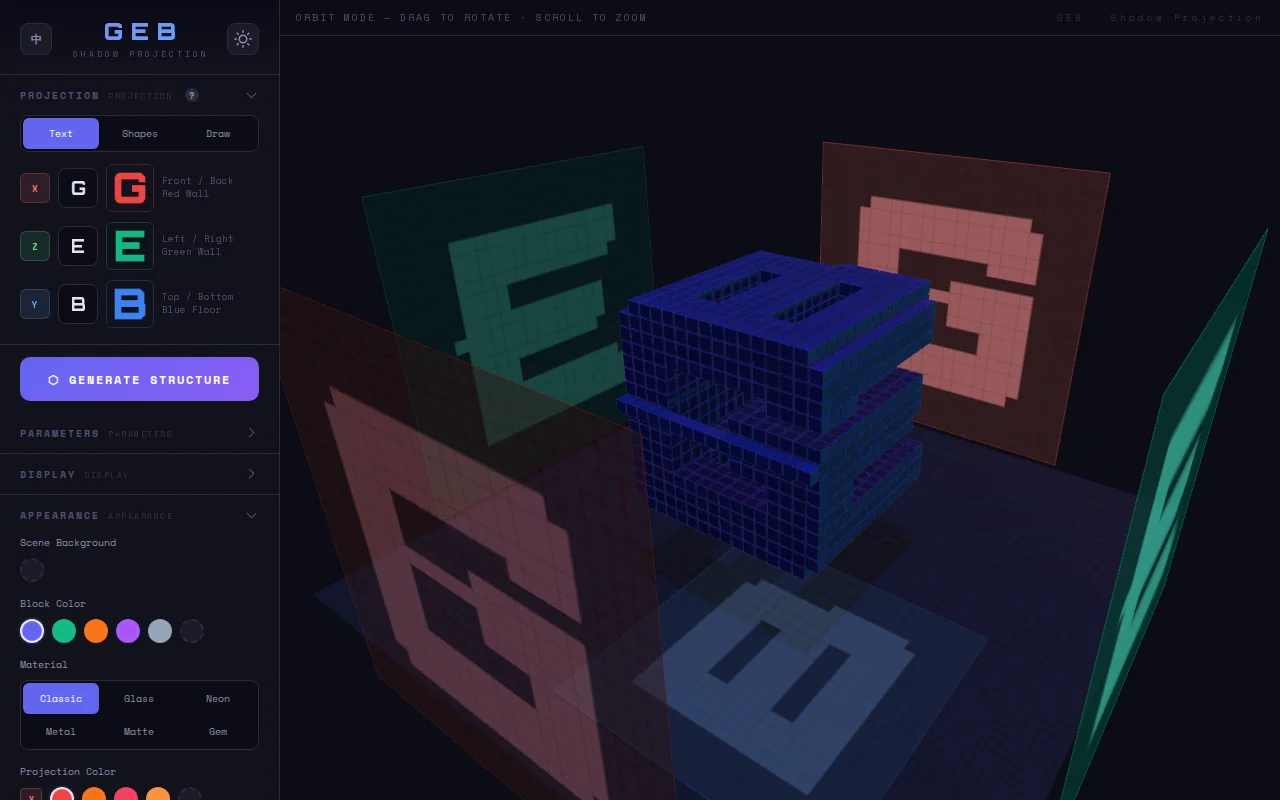
Three-view projection solver with greedy and sculpt algorithms for impossible character combos.
Math enthusiasts, generative art hobbyists, GEB fans
ShadowType · TriShadow
From the front view, you see the first character. From the side view, you see the second character. From the top view, you see the third character.
This page is designed to explore this idea. Given any three arbitrary characters, it computes a corresponding voxel structure.
It supports adjustable resolution and includes three different algorithms. For arbitrary combinations of characters, there may be multiple valid solutions—or none.
When the overlap between shapes is too small, no valid intersection can be found. In that case, additional “approximate” lines are introduced to best satisfy the three projections.
It supports freehand drawing input. It supports model export and shareable links.
On desktop, users can enter an interactive mode similar to Minecraft creative mode, where the voxel model can be edited freely: left click removes blocks / right click adds blocks. Users can build shapes and observe their projected silhouettes on each face.
I’ve been interested in this kind of ambiguous projection / perspective-dependent geometry since childhood. (Although it may not strictly be “optical illusion”.)
This kind of projection-based structure suggests that: different viewing angles lead to different interpretations, and the same underlying object can produce different beliefs or philosophical readings depending on perspective.
What seems like completely contradictory conclusions may still originate from the same underlying structure or entity.
Medallion layout scaffolding with AI companion files for agent-operable data projects.
Tames chaotic agent sessions with tabs and Kanban, but competes with Cursor.
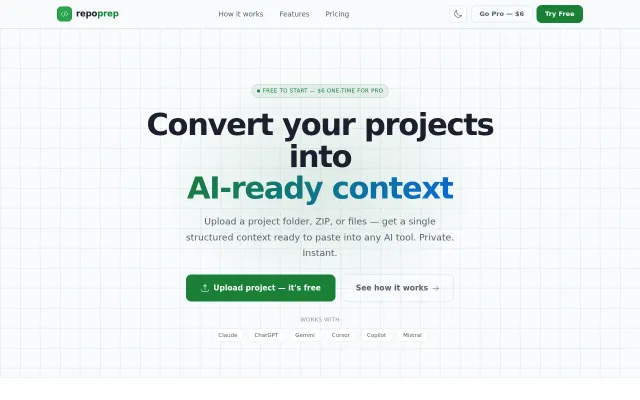
Free browser-based repo converter when JinaAI and Firecrawl already exist.
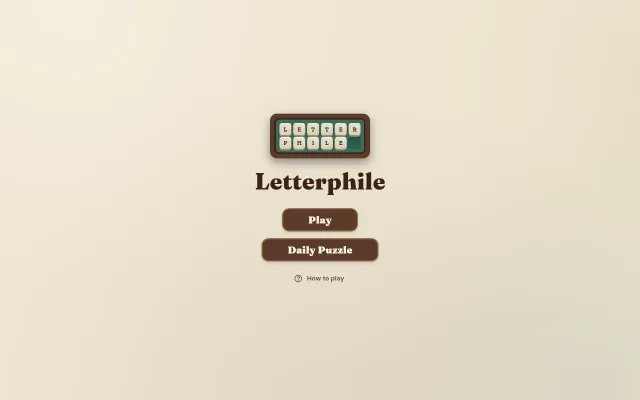
Another Wordle-style browser game in an extremely saturated market.
Chess-roguelike with daily mode, but the space already has Chessaria and similar titles.
Structured feedback templates prevent vague 'looks great' responses that waste founders' time.