Developer Tools●●Solid
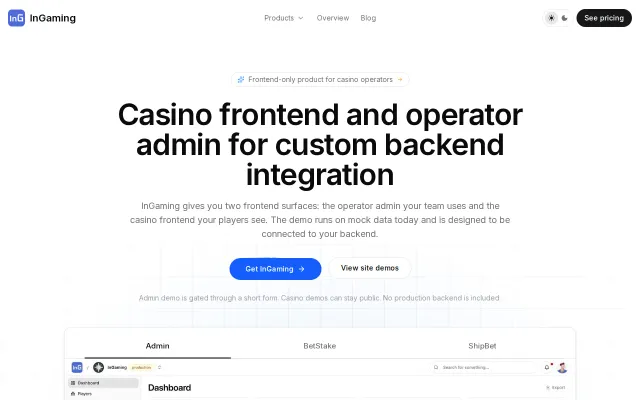
InGaming, front end MVP for casino brands
iGaming admin UI kit with player flows and multi-brand storefronts.
Niche GemSlick
jonypopovv
101mo ago
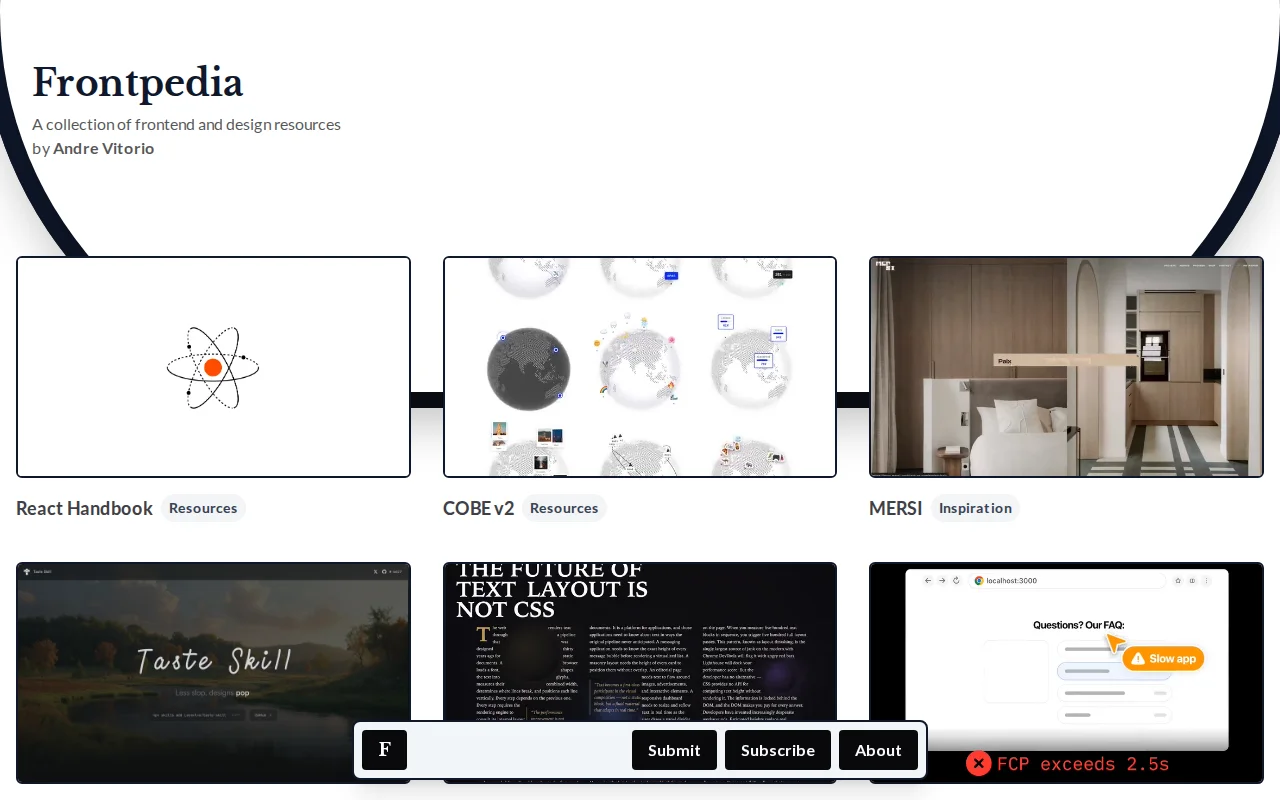
Curated frontend resource directory built with Next.js and Outstatic CMS.
Frontend developers and designers seeking inspiration
Product Hunt · BetaList · UI8
It’s an open source project built for frontend developers and designers, and it can also be used as a base for anyone who wants to launch their own curated resource site.
It uses Next.js and Outstatic for content management, with a database-free setup and easy deployment.
iGaming admin UI kit with player flows and multi-brand storefronts.
The visual concept is strong: generous negative space, a micro-typographic centerline and restrained UI that actually sells the idea of 'ma'. Unfortunately the page reads like a demo/theme — repeated copy blocks and zeroed stats suggest placeholder content rather than a finished system or component library. Useful as a quiet starting point for designers who like minimalism, but it needs real docs, components and examples to move beyond a pretty landing.
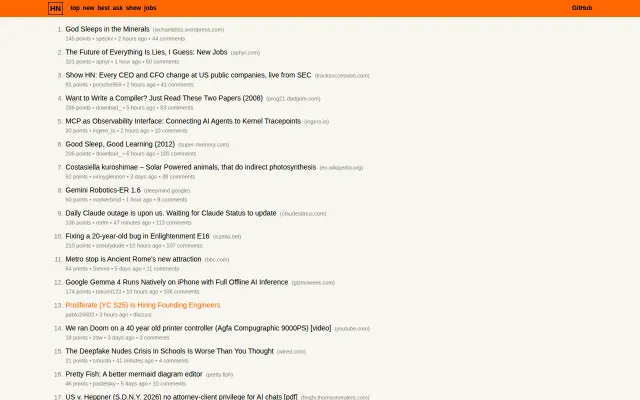
Faster HN client on Cloudflare Workers in a sea of clones.
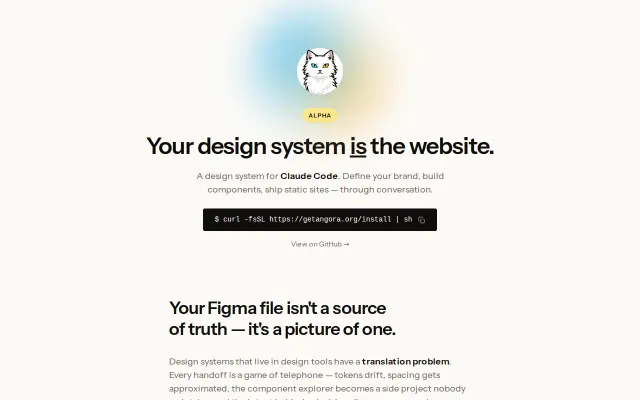
Angora converts conversation and design tokens into actual production HTML/CSS (via Astro) rather than a static Figma specimen — it builds semantic, accessibility-minded components and wires them to data without a client runtime. The idea of the design system being the shipped site is smart and feels fresh; the obvious caveat is complexity — interactive state, complex component logic, and long-term maintainability are the hard parts that an alpha needs to prove it can handle.
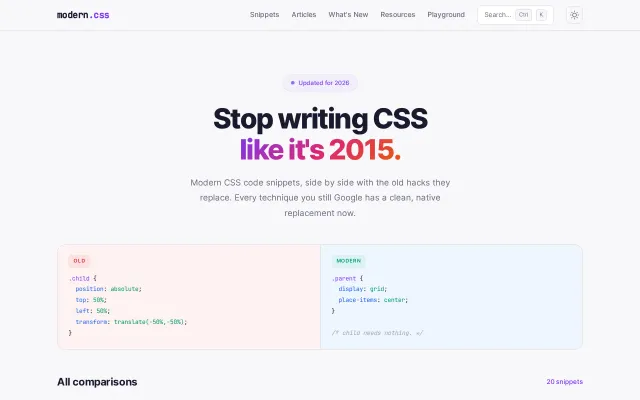
Side-by-side snippets (old hack → modern CSS) with difficulty, browser-compat scores and a playground make this an instant lookup for refactors. The curation is pragmatic — examples like translate-centering → place-items, scrollbar-gutter, and OKLCH color swaps show you exactly what to replace and why. I’d love inline live sandboxes and per-browser caveats for tricky edge cases, but the site already shaves hours off common CSS archaeology.
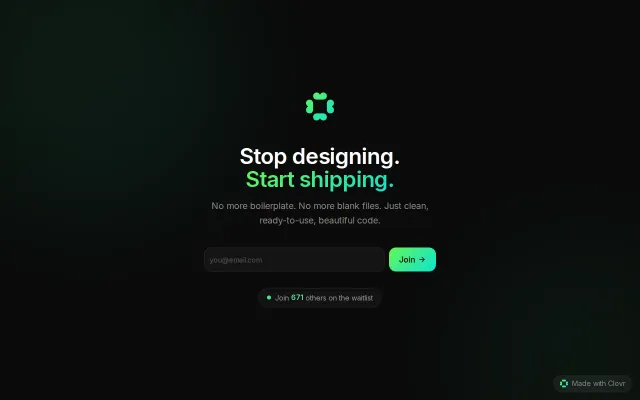
Clovr trades mockup screenshots for an actual file scaffold: it claims to output a Next.js repo with a consistent design system, routing, spacing scale and readable components you could commit. That focus on structure over pixels is the right call, but the space is crowded—I'd need to see TypeScript/test support, extensibility for existing repos, and examples of nontrivial apps before I'd swap it in for templates plus Copilot.