Gaming●●Solid
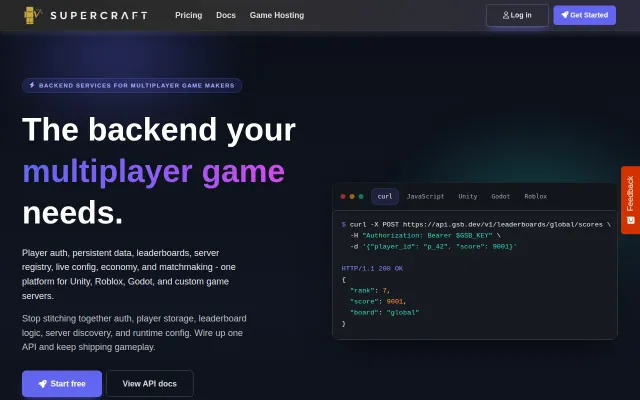
Game Server Backend – backend services for multiplayer games
Combines server registry with player services so you stop stitching five vendors together.
SlickSolve My Problem
supercrafthost
101mo ago
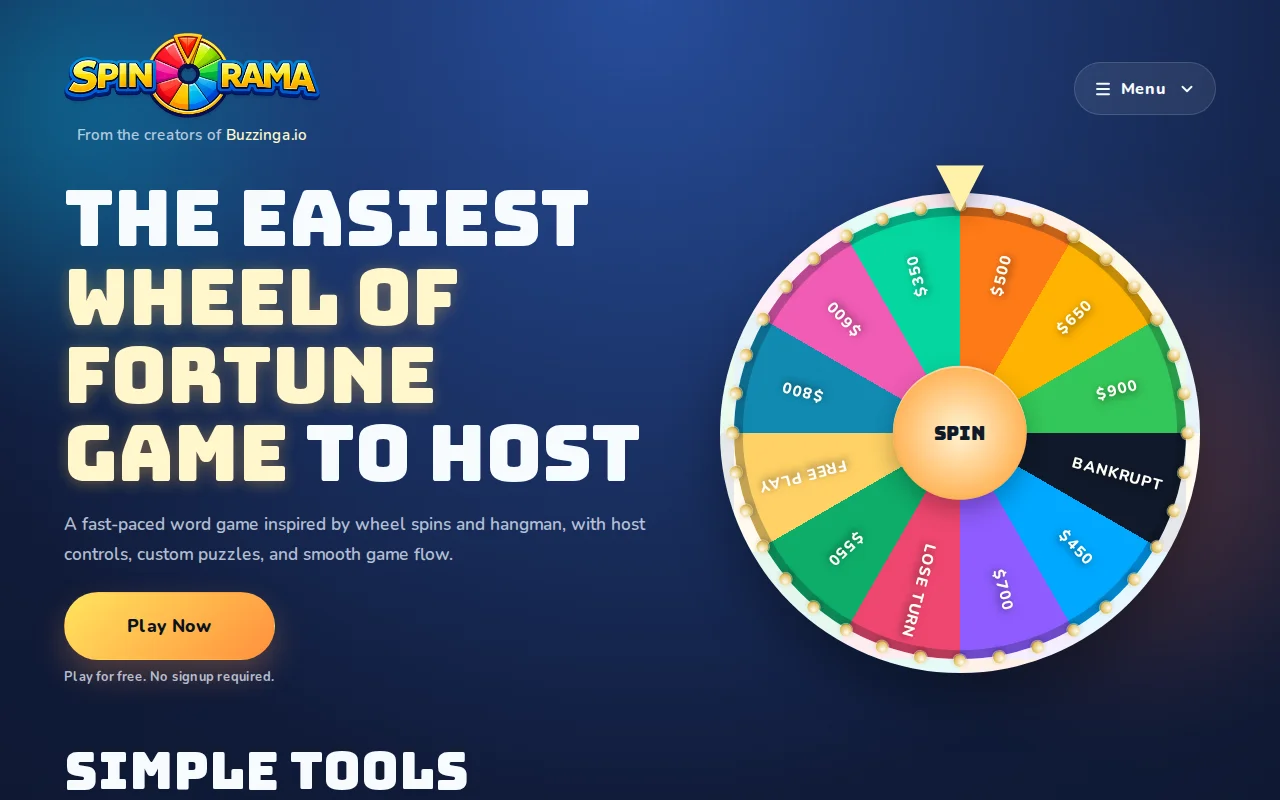
Host-driven Wheel of Fortune that runs in a browser without player phones.
Teachers, party hosts, team building facilitators
WheelofFortune.com · Buzzinga.io · PowerPoint templates
I kept running into the same problem with "Wheel of Fortune"-style games though. The options are basically:
- Console games (Wii, Switch, etc.) - PowerPoint templates - Or cobbling up some DIY solution
I don't have a console and the other options were clunky. I wanted something that:
- Runs entirely in the browser - Doesn't require players to use their phones - Handles the game flow so the host isn't juggling rules, manually updating scores, remembering who's next, etc.
So I built Spinorama: https://spinorama.io
A few things that might be interesting here:
- The host drives everything from a single screen, players just call things out (no phones required) - Game flow is stateful and enforced, so you can't accidentally break the rules mid-round - Uses the Web Speech API for turn prompts (spin, buy a vowel, solve, etc.) and to check spoken solutions - Full keyboard control via hotkeys for running the entire game - No signup required to try it, accounts are only needed if you want to create and save custom games
Still early, but it's fully playable and I've been using it for small groups.
Curious what this crowd thinks, especially around:
- Anything that feels clunky or breaks immersion - Missing features you'd expect when hosting a real game
Combines server registry with player services so you stop stitching five vendors together.
Python-as-gameplay terraforming concept, but Screeps and Human Resource Machine established this category.
Discord slash commands spin up persistent Hetzner VMs only when your squad is online.
History-themed GeoGuessr clone with AI images, but only five levels.
Turns the agony of canceling a subscription into an easy-to-digest, slightly vicious joke — the landing copy and single-click 'Start Game' flow telegraph the concept immediately. It's a neat little demo for calling out manipulative UX, but it's mostly a novelty and would benefit from more varied levels or concrete examples to make it stick beyond a five-minute laugh.
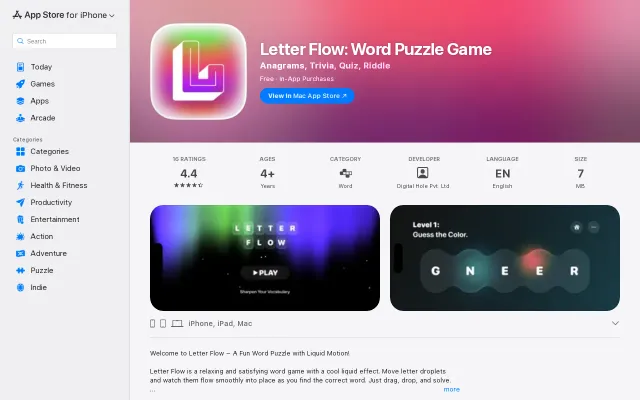
The killer detail here is the liquid-droplet UI and the one-tap AI level generator running on-device — small touches that make a familiar word game feel tactile and modern. It's not reinventing the category, though; reported glitches (missing letters/misspellings) and a tiny rating base keep this from feeling like a must-share hit.