Infrastructure●●Solid
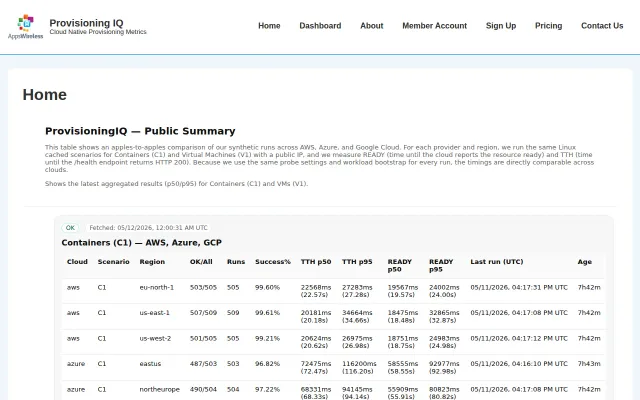
ProvisioningIQ – Continuous Benchmarks of AWS/Azure/GCP Latency
Apples-to-apples latency data when cloud providers hide their real provisioning times.
Niche GemBig Brain
syed786
202mo ago
Defang Pulumi providers - Take your app from Docker Compose to a secure and scalable cloud deployment with Pulumi.
Swapping one import statement moves your entire stack between AWS, GCP, and Azure.
DevOps engineers, platform teams, Pulumi users
AWS Copilot · Google Cloud Run · Azure Container Apps
These are three FOSS Pulumi providers (defang-aws, defang-gcp, defang-azure) that take a Docker Compose-like project and provision it as real infrastructure to the respective cloud: VPC, subnets, load balancers, serverless containers (ECS Fargate, Cloud Run, Container App), builds, managed PostgreSQL, Redis, LLMs, and public/private DNS.
Develop once, deploy anywhere: all three providers expose the same Compose-shaped surface. They contain the same Pulumi resources: Project, Build, Service, Postgres, Redis, LLM. Each service in the Compose services map gets provisioned as one of those resources. Moving between clouds should be as simple as changing the import and nothing else. The Project resource sets up private DNS for service discovery, so Compose services can connect using their Compose service names.
These providers have been rewritten from scratch in Go and are based on the (internal) TypeScript Pulumi code we've been working on for the last 2 years. We haven't reached parity quite yet, but we encourage everybody to use them and share your feedback.
The Pulumi tooling generates SDKs for TypeScript, Python, Go, and C#. The repo has examples for all clouds in all those languages, eg.:
const app = new defang_aws.Project("demo", { services: { web: { image: "nginx:latest", ports: [{ target: 80, mode: "ingress", appProtocol: "http" }], }, }, }); export const endpoints = app.endpoints;
A few notes:- The Compose surfaces is opinionated. We check the service requirements and map it to a concrete cloud resource. For example, on GCP a service without exposed ports would run on Compote Engine, not Cloud Run. - Portability is at the Compose level. Each cloud's behaviour differs: IAM, native containers, etc. The API is the same, but the materialization isn't. - The Project resource owns the shared infra (VPC, build pipeline, DNS, LB). The standalone Service, Postgres, Redis resources skip that, so the Service needs a built image. - Licensing is dual: the provider engine is AGPL-3.0, because we want forks to contribute back to the community. The generated SDKs are Apache-2.0, so no copyleft in your own Pulumi code. - We're waiting for Pulumi devs to merge our registry PR, so the registry still reflects the old v1 provider docs. - There's support for runtime "config", ie. parameters, using a ConfigProvider interface, which also support interpolation.
Repo: https://github.com/DefangLabs/pulumi-defang
Happy to dig into how the Compose translation works, where the API diverges between clouds (and why), why Pulumi over CDK/Terraform, or the cloud-specific tradeoffs (AWS uses ECS+ALB, GCP uses Cloud Run with optional CE fallback, Azure uses Container Apps).
- Lio
Apples-to-apples latency data when cloud providers hide their real provisioning times.
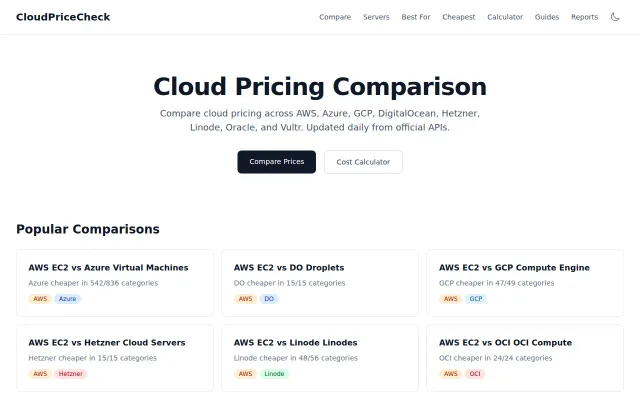
Cloud pricing comparison covering 8 providers—but Finops tools and cloud vendors already do this.
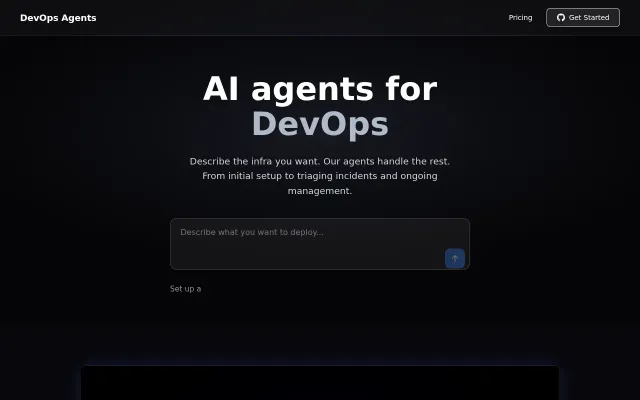
AI agents with approval gates for infra changes, but execution-oriented AI is still unproven in production.
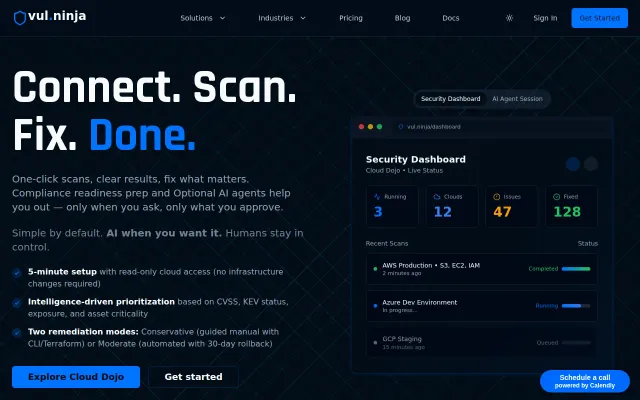
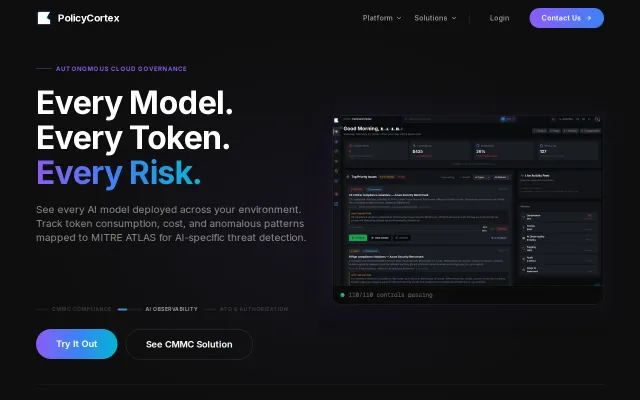
CMMC compliance automation that undercuts manual consulting by $30K annually.
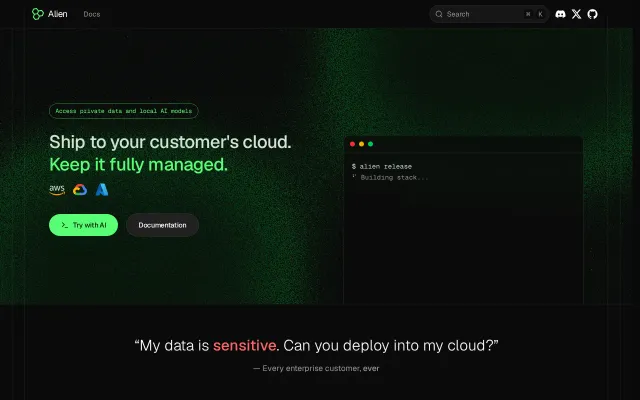
Solves the enterprise 'deploy to our VPC' objection without losing managed control.
CMMC compliance automation with AI remediation, but enterprise sales motion unclear from landing page.