Developer Tools●●Solid
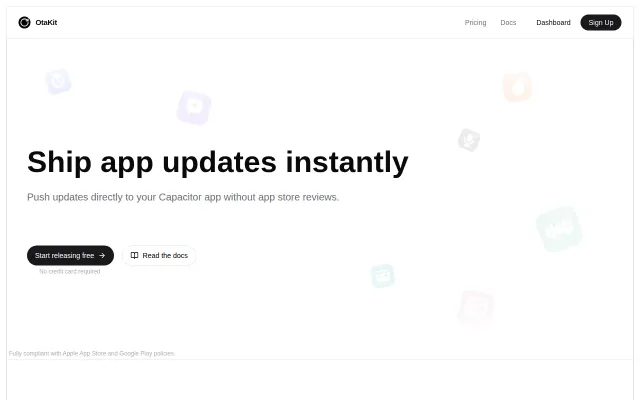
OtaKit – push app updates without App Store reviews
Open-source AppFlow alternative with self-hosting for Capacitor teams.
Niche GemSolve My ProblemShip It
gregolo
133mo ago
Git-native memory for coding agents. Repo memory before the diff.
Stores engineering intent in Git so agents don't repeat past mistakes before writing code.
Teams using AI coding agents, technical leads managing agent workflows
ADR (Architecture Decision Records) · GitBlame · Cursor Rules
These days, developers rarely review code line by line, but when agents do review it, they often focus only on code quality.
Additionally, in some cases, agents from different developers make changes to the same product logic (not just within the same code file), but issues often aren’t discovered until the branch merge phase, requiring rework.
To solve these problems, I created Mainline.
Mainline uses CLI, skills, and coding agent hooks to store the intent that humans express through agents in Git.
Before editing, agents can read historical intents, decisions, and risks; after making changes, they can record the rationale, trade-offs, and review notes. You can also export a static Hub for others to view historical intents, risks, and hotspots
Repo: https://github.com/mainline-org/mainline
How to use: curl -fsSL https://raw.githubusercontent.com/mainline-org/mainline/main... | bash
mainline doctor --setup
mainline init --actor-name "alice"
I’d like to know if you think the granularity of intent records is useful. Does reviewing intent before a code review actually reduce the reviewer’s burden?
Open-source AppFlow alternative with self-hosting for Capacitor teams.
Neovim-powered diff viewer that works standalone, no plugin manager or config required.
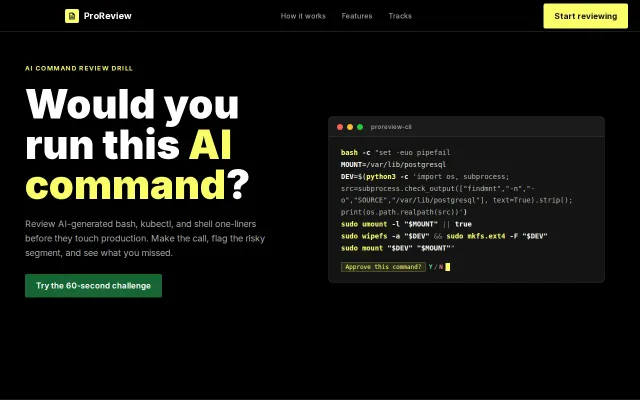
Gamified drills for spotting dangerous AI-generated commands before production.
Yet another AI code reviewer, just runs at commit instead of PR time.
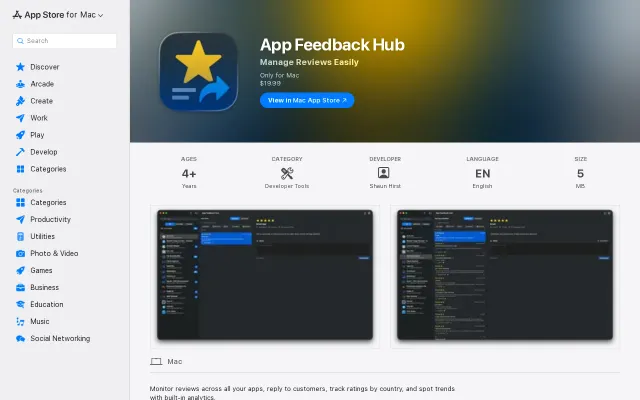
Local-only Keychain storage beats cloud-based review managers on privacy.
Zsh wrapper around existing LLM APIs; Claude Code and Copilot already do diff review.