Security●●Solid
Aegis – post-quantum cyberdefense proxy (471 attacks, 0 breaches)
Python proxy combining NIST post-quantum crypto with nine-layer active defense and containment.
Bold BetWizardry
conchaestrada
301mo ago
Autonomous IDS/IPS with 9 defense layers & ML-DSA-87 post-quantum signed alerts (NIST FIPS 204). Self-hosted, zero telemetry.
Nine-layer autonomous defense with NIST post-quantum crypto, but 23 commits feels early for production claims.
Security engineers, infrastructure teams preparing for quantum threats
Cloudflare Post-Quantum SSL · OpenQuantumSafe · WireGuard
Python proxy combining NIST post-quantum crypto with nine-layer active defense and containment.
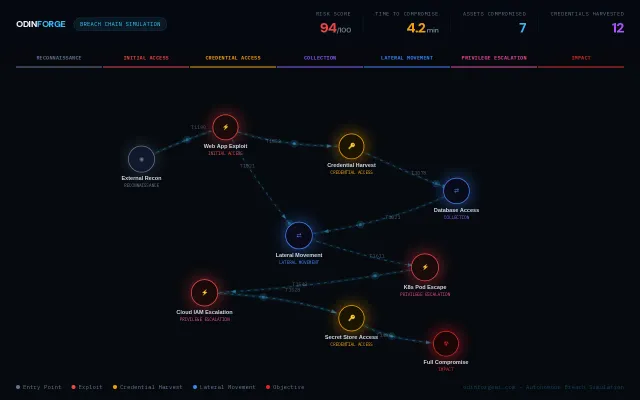
The UI turns complex attack chains into an immediately scannable graph with per-path metrics (risk score, time-to-compromise, assets/credentials impacted) — great for threat modeling and tabletop drills. Feels more like a very polished BAS visualization than a novel research tool; what I want to know next is where the simulation inputs come from (real telemetry, vulnerability feeds, or canned scenarios).
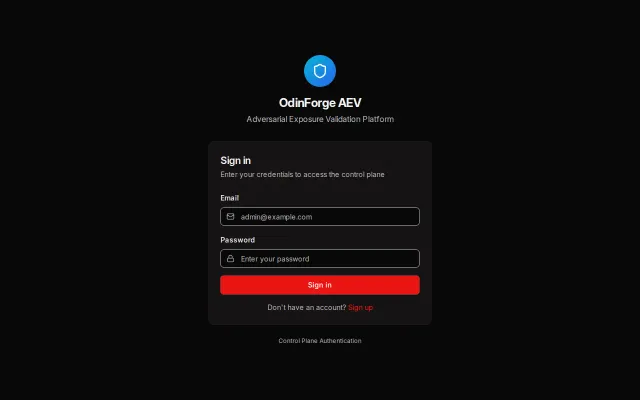
The selling point is sensible: turn individual vulns into chained attack paths so defenders can see realistic breach stories instead of isolated findings. Trouble is, the public surface is a gated sign-in with no demo, examples, or telemetry to judge how it models attacker tradeoffs or integrates with scanners and SIEMs. Visually the control-plane login is clean and modern, but the product's differentiation against established attack-simulation vendors is unclear from the page.
Zero-allocation data path and session resumption make post-quantum crypto actually usable.
Zero-code LLM firewall; heuristics under 1ms, optional Groq semantic layer.
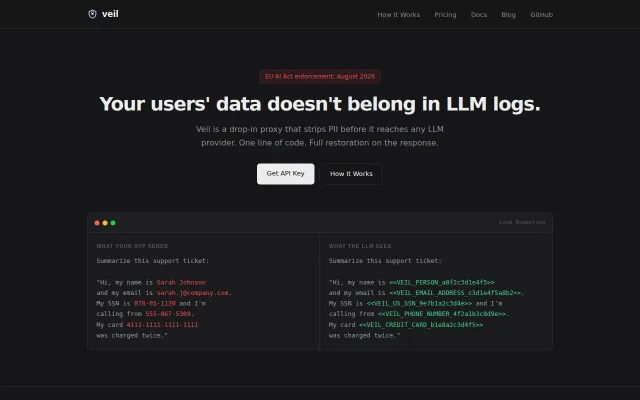
Stops zero-width Unicode bypasses that break standard PII filters before LLM calls.