Developer Tools●●●Banger
Mcpfs – Mount MCP servers as FUSE filesystems
Plan 9 abstraction for APIs—cat/jq replaces 20K token schemas and service-specific CLIs.
Big BrainZero to OneSolve My Problem
evoleinik
203mo ago
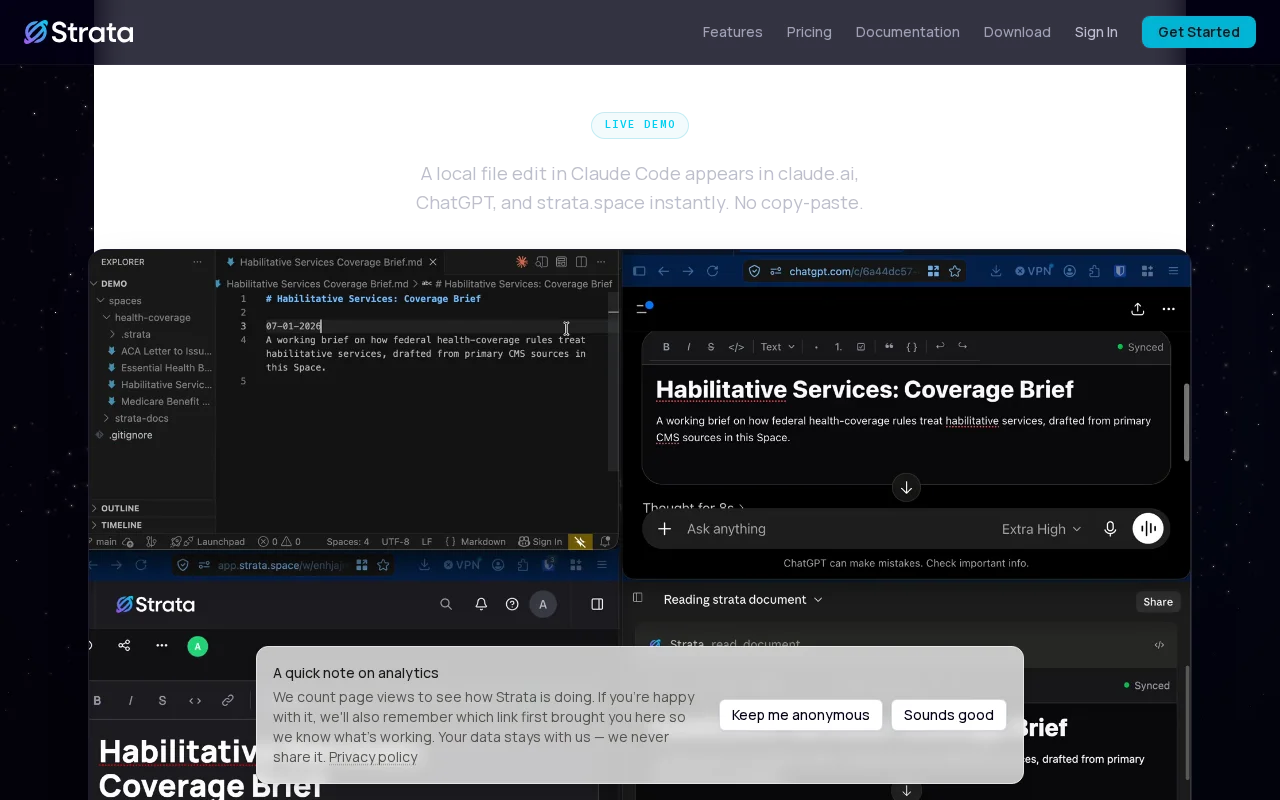
FUSE is really neat. It can mount entire filesystems on Linux without materializing files until requested, which immediately brings to mind use-cases around knowledge bases for company files, or RAG corpus. However, the Mac side muddied the picture. We started pure FUSE + MacFUSE, but MacFUSE was an onerous kext install. Next we built on native FSKit which is kext-less, but effectively read-only. FSKit won't let you invalidate a cached read, so to push a web edit down to a local file you have to force overwrite it through your own mount to make the kernel re-cache. This is as sketchy as it sounds, and is a poor proxy for collaborative behaviors.
So we put FSKit/FUSE behind a different flag and built a daemon on our existing WebSocket/CRDT stack instead. Like Google Docs meets Dropbox. The files materialize this way, but we decided it was the right tradeoff until FSKit develops their API.
Doing anything meaningful over remote MCP/API requires OAuth, so there's no way around free account creation, but no credit card required. Break it and let us know how it went.
Plan 9 abstraction for APIs—cat/jq replaces 20K token schemas and service-specific CLIs.
SSHFS already does this; Rust rewrite doesn't add new capabilities.
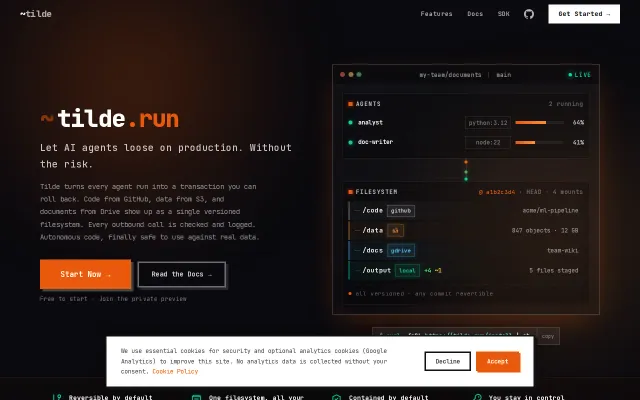
Roll back any agent run like a Git commit with a single command.
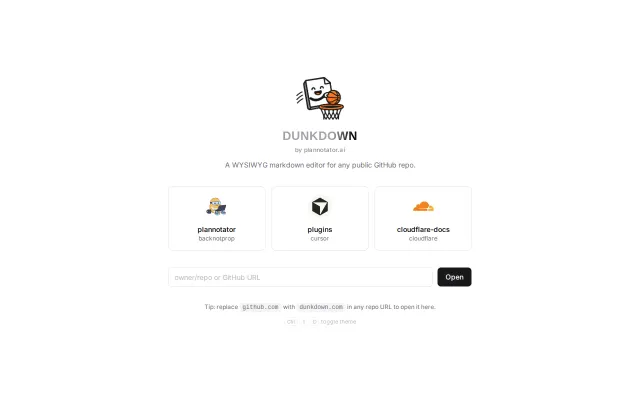
GitHub URL swap for markdown editing when GitHub already has built-in editor.
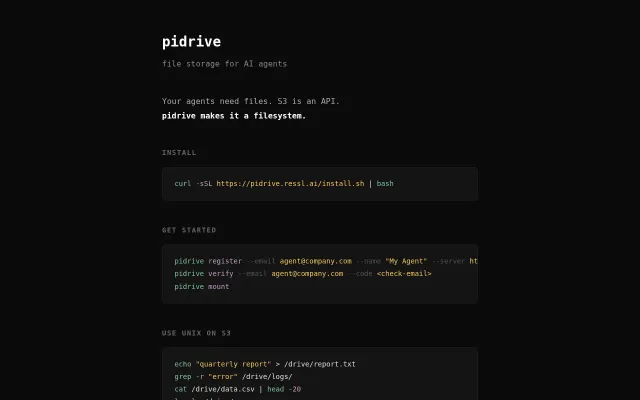
Unix commands on S3 for AI agents when s3fs already exists.
TextKit 2 + SwiftUI bridging that actually ships in a production writing app.