Developer Tools●●Solid
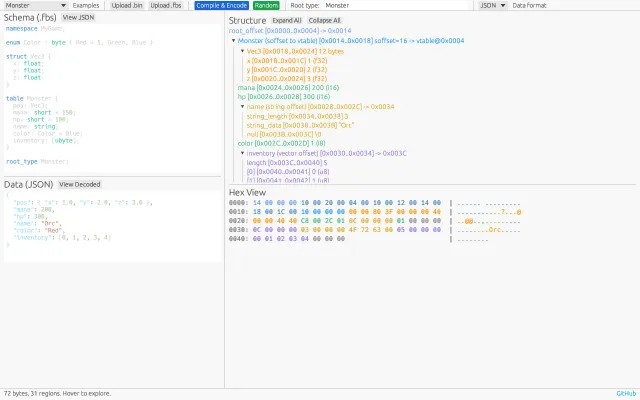
Fbsviewer – FlatBuffers binary viewer. Pure Rust compiler in WASM
Linked hex and schema view makes FlatBuffers binary encoding finally human-readable.
Niche GemWizardry
SuzyLi
414mo ago
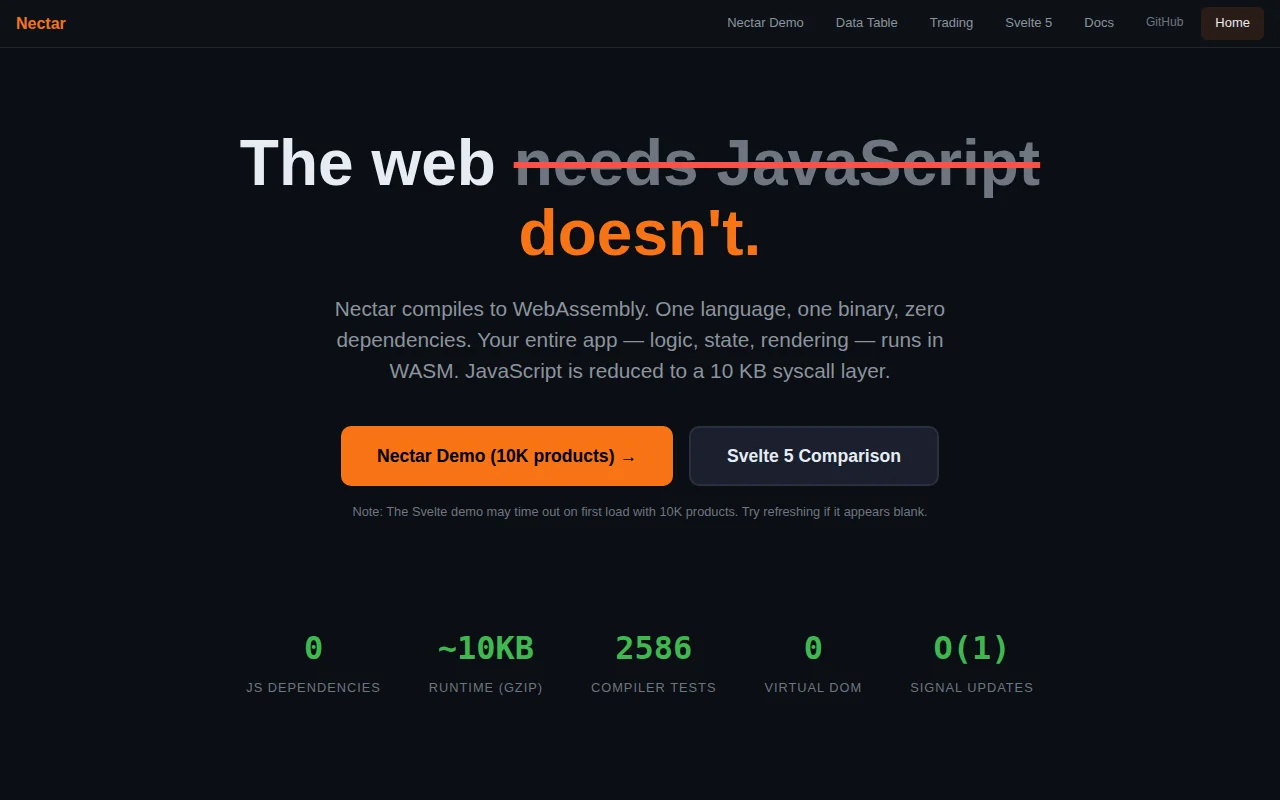
The origin: I set out to get React-style ergonomics with better performance, and about halfway in I realized I had hit the ceiling of what was possible going through the browser's DOM (Blink/C++) and a diffing step. So I stopped fighting it and built my own signal-driven rendering layer that compiles to WASM and updates exactly the DOM nodes that changed, in O(1), with no virtual DOM and no garbage collector.
What it is right now:
- One binary. The same compiler does formatting, linting, testing, a dev server, an LSP, and SSR (although SSR is underdeveloped). - Fine-grained signals. Each binding updates on its own, so there is no diffing pass. - A Rust-inspired borrow checker for compile-time safety. - Language-level keywords for the patterns you reach for constantly on the web: component, store, router, form, auth, payment. - SEO and Screen Readers. It compiles to two DOMs from the same source so the app stays visible to screen readers and crawlers.
Honest status, because this is early and it is mostly one person:
- The "no JavaScript" line has an asterisk. WASM cannot touch the DOM directly, so there is a small JS bridge (about 10 KB) that as of this moment I cannot overcome on major browsers. - The numbers on the site (a counter is ~10 KB versus ~387 KB for React plus JS) are real but small examples, not a full-app shootout. I would not read them as more than they are. They are intentionally poorly architected to measure throughput at massive scales. (contrived) - License is BSL 1.1, so read that before you build anything real on it.
Live demo, 10,000 products with a canvas rendering engine, plus a side by side against Svelte 5: https://buildnectar.com/app/canvas
Site: https://buildnectar.com Code: https://github.com/HibiscusConsulting/nectar-lang
I would genuinely like it torn apart. If the core bet is wrong, crush my dreams but tell me how we can make it better, please. I still am not completely sure this is even a good idea. I honestly thought this would be a lot easier to build than it has been. If I had known at the start, I would have never built it, but here we are.
Linked hex and schema view makes FlatBuffers binary encoding finally human-readable.
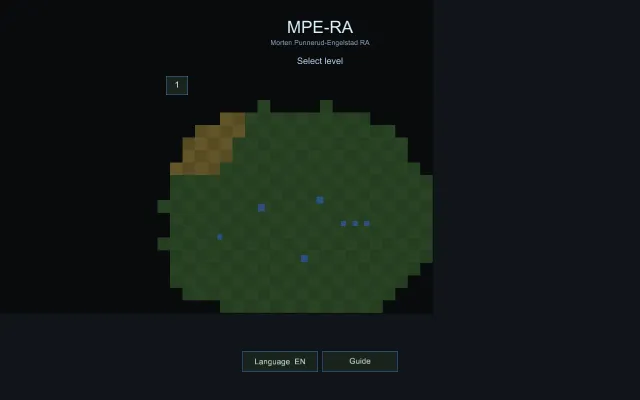
Full RTS running in browser via Rust-to-WASM compilation with open source code.
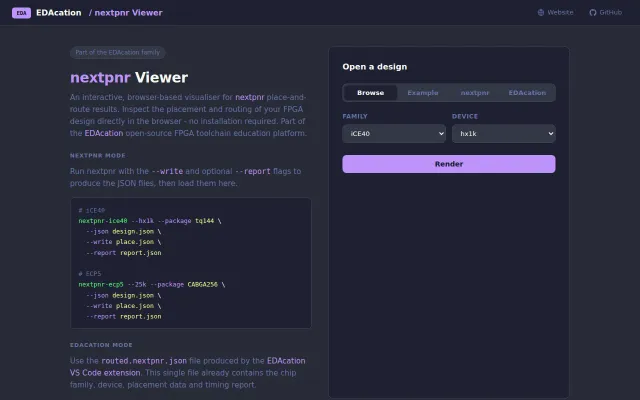
Rust-to-WebAssembly FPGA renderer running entirely in-browser with zero installation.
10K flights in 3.5MB WASM bundle is impressive constraint engineering for browser rendering.
ECS in Rust + WGPU avoids borrow-checker pain, but Bevy already does this better.
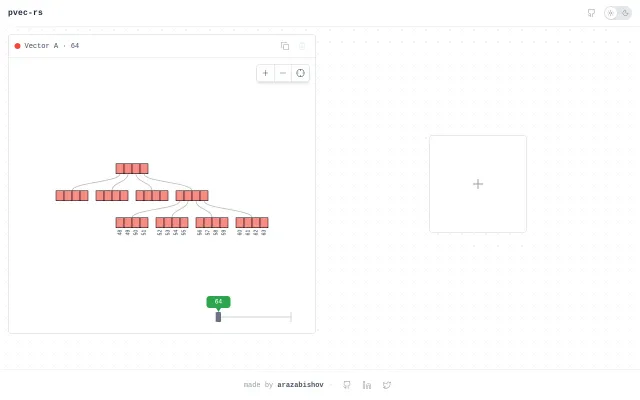
Dragging the timeline reveals how splits, concats and shared nodes evolve across versions, which makes an abstract data structure palpably understandable. Running the implementation in-browser via Rust→WASM is a neat technical demo, but it's primarily educational — more inline explanations or scenarios would make it genuinely useful beyond hobbyist exploration.