Security●●Solid
Mozdmp – Firefox profile decryption tool and master password cracker
Fills the gap Hashcat left by supporting Firefox's latest SHA384 salt formats.
Niche GemBig Brain
asaix
303d ago
Decrypt chrome profile data offline using the Chrome Safe Storage keyring secret.
Handles Chrome DB version quirks automatically where other scripts often break.
Security researchers, incident responders, and Linux system administrators
chrome-decrypter · HackBrowserData · DB Browser for SQLite
Important features:
- Automatically detects and handles formatting quirks that change depending on the database version.
- Converts integer column values to text to make their meaning clear.
- Supports no-keyring setups that use the default secret.
Demo
≻ ./chrdmp cookies -d data/Cookies -s "REDACTED" -o cookies.csv Extracting cookies using: Database: data/Cookies Secret: REDACTED Output File: cookies.csv
Loading database... 1630 entries loaded. DB version: 24
Summary: Successfully decrypted: 1630 entries (0/1630 empty) Skipped (no secret provided but uses non-default secret): 0 Decryption failures: 0
≻ ./chrdmp logins -d data/Login\ Data -s "REDACTED" -o psw.csv Extracting passwords using: Database: data/Login Data Secret: REDACTED Output File: psw.csv
Loading database... 125 entries loaded.
Summary: Successfully decrypted: 125 entries (5/125 empty) Skipped (no secret provided but uses non-default secret): 0 Decryption failures: 0
The decryption process is detailed in the README for anyone interested at https://github.com/asaix/chrdmp#decryption-process-explained.Any suggestions and/or contributions would be most welcome.
Fills the gap Hashcat left by supporting Firefox's latest SHA384 salt formats.
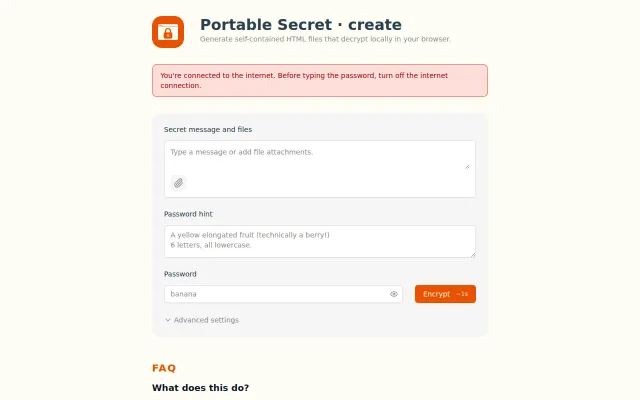
Browser-native encrypted files, no app needed, works offline permanently.
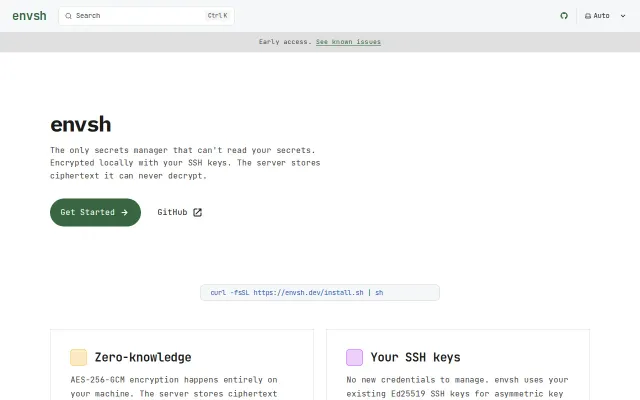
Reuses existing SSH keys for encryption so you don't manage new credentials.
Temporary decryption with ctg run deletes plaintext after command, unlike sops or git-crypt.
Eight years of maintenance but privnote and 1Password already solve this.
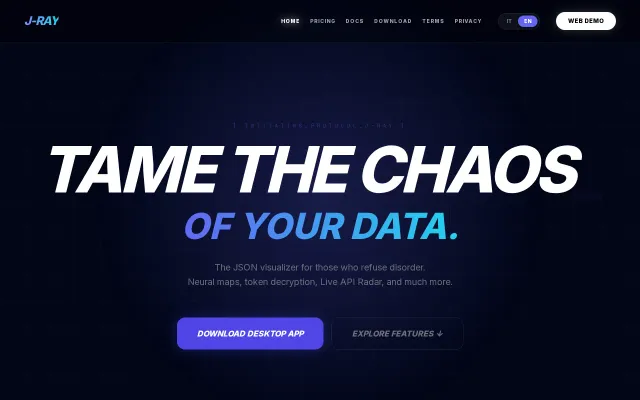
Rust-powered JSON graph viewer that handles massive files without Electron bloat or browser crashes.