Infrastructure●●●Banger
IEEE-754-Conformant FP64 on Metal (Apple Silicon)
Bit-exact f64 emulation on Metal GPUs where Apple's native double support is missing.
WizardryNiche Gem
guyfischman
112mo ago
Forces you to answer questions before progressing instead of passively reading.
Computer science students and junior developers
3Blue1Brown · Khan Academy
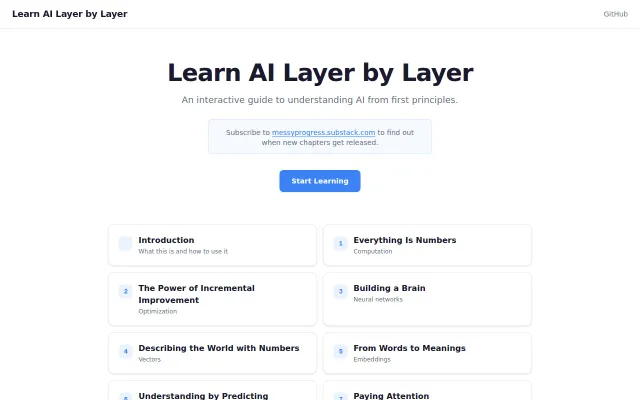
My main issue with existing treatments of this topic (and internet tutorials, broadly) is that they ask too little of the reader. I wanted to structure this around a sequence of questions for you to answer, using interactive widgets and optionally an LLM tutor/grader. Basically: you progress in the tutorial by demonstrating your understanding.
The feedback I'm looking for is mostly around structure. Does it help to have the LLM available? Did you engage more with this than you would have with a standard tutorial? etc.
btw using the LLM is optional, and requires a valid email address (just to limit abuse). If you decide to do it on your own, you'll still be asked the same questions, you just won't be able to go back and forth with the LLM or have your answers graded.
Bit-exact f64 emulation on Metal GPUs where Apple's native double support is missing.
Explains transformers to an 11-year-old with interactive playgrounds better than most courses.
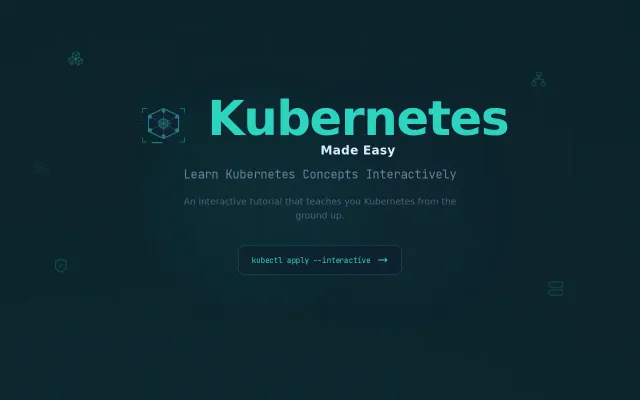
Playground simulations beat wall-of-text docs, but Kubernetes already has killer tutorials.
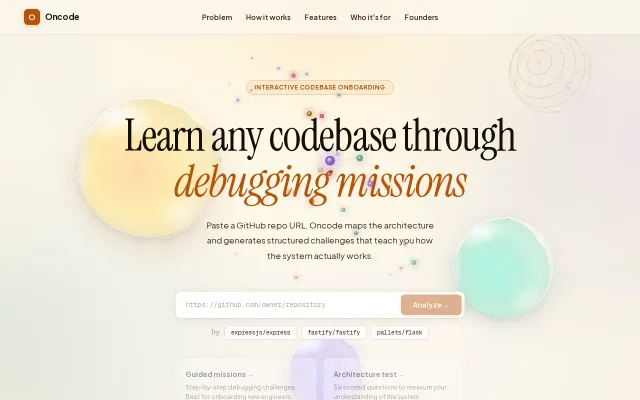
Debugging missions beat Q&A — structured challenges instead of chatting with codebases.
Counter AI code dependency by building framework internals yourself — timely motivation.
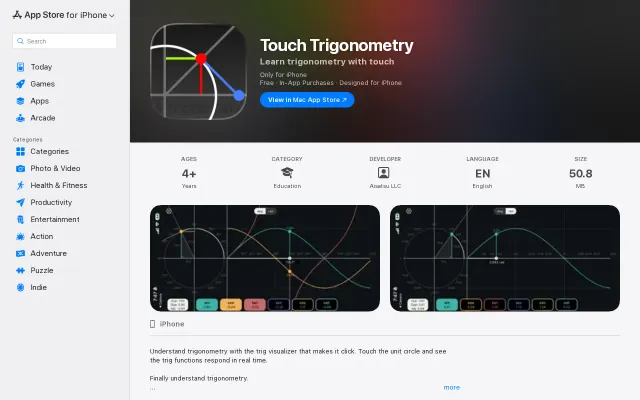
Tactile unit circle finally makes SOHCAHTOA click—but the App Store is crowded with ed apps.