Health●Mid
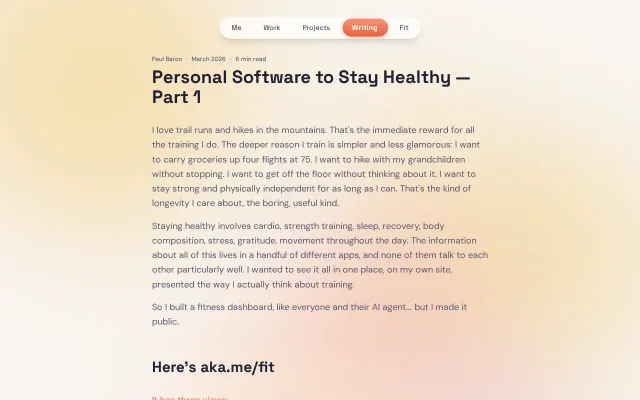
I made my fitness dashboard public and Apple Health needs an API
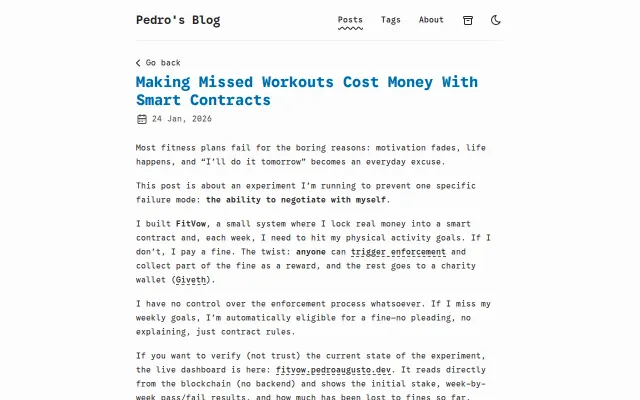
Thoughtful personal health dashboard, but it's a blog post—not a tool others can use.
Cozy
pbarondadditude
1092mo ago
Fitness app + real money on-chain—clever use case, but betting mechanics aren't novel.
Fitness enthusiasts, competitive athletes, crypto-native users willing to stake real money
Strava · Fitbit Challenges · Traditional sports betting platforms
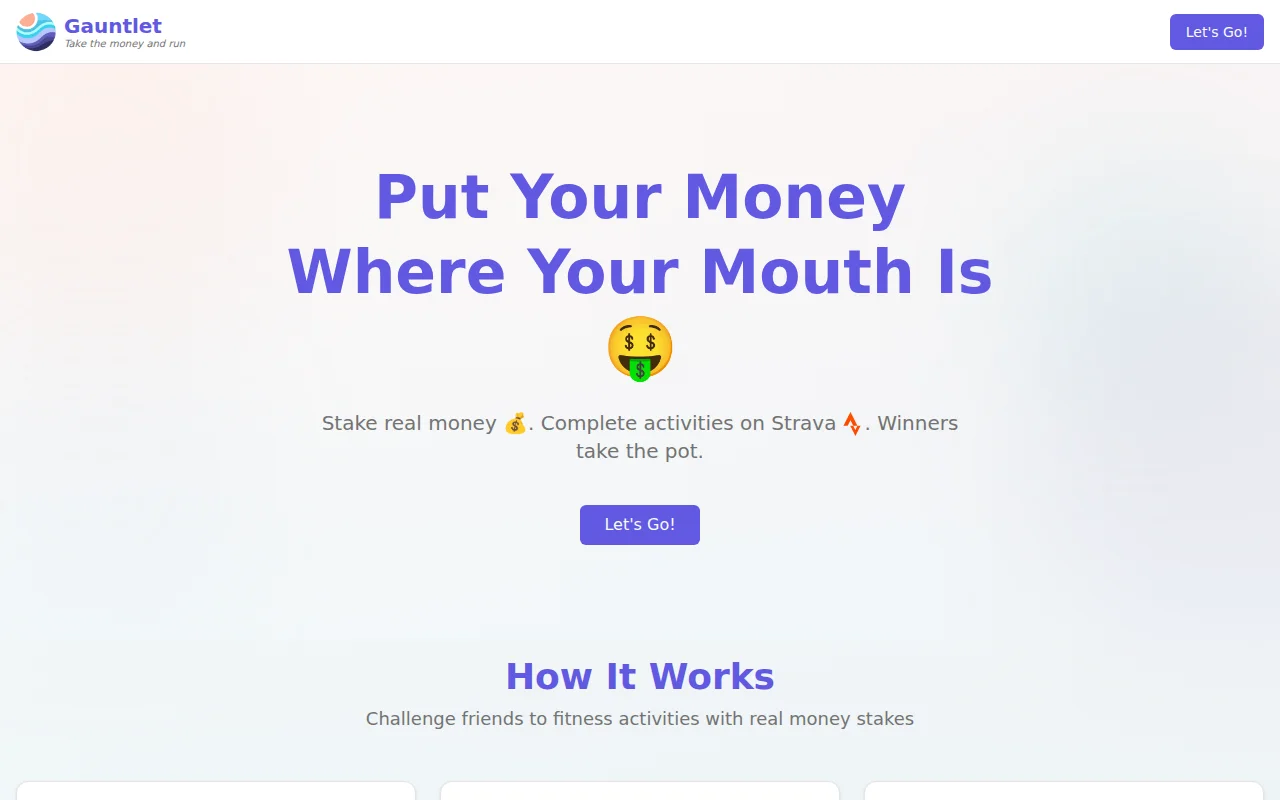
I built Gauntlet (gauntlet.bet) — a platform where you challenge friends to fitness activities on Strava with real money on the line. Stakes are held in USDC on Base L2, so payouts are instant and transparent. No internal ledger — everything is on-chain.
How it works: - Create a challenge (e.g. "Run 10K before March 1st — $25 stake") - Invite friends or make it open - Everyone stakes USDC via an embedded wallet (Privy) - Strava verifies completion automatically - Winners split the pot, losers lose their stake
Tech stack: Laravel 12, React 19, Inertia.js, Tailwind, MySQL. Blockchain side is a Node.js sidecar using viem for USDC transfers on Base. WebSockets via Laravel Reverb for real-time challenge updates.
Why on-chain? I didn't want to deal with holding user funds or building a ledger. USDC on Base means ~$0.01 transaction fees, near-instant finality, and users can verify everything. The embedded wallet (Privy) means nobody needs to know what a wallet is — they just sign in with email or Google.
What I learned: - Nonce management for sequential blockchain transactions is painful — ended up using cache locks to serialize payouts - fake() doesn't work in production (learned this the hard way today) - Strava's webhook API is solid but their rate limits are aggressive
Solo project, built over ~2 weeks. Would love feedback on the concept and any thoughts on the staking mechanics.
Thoughtful personal health dashboard, but it's a blog post—not a tool others can use.
Permissionless enforcement + charity splits make cheating expensive, but it's a blog post about one person's experiment.
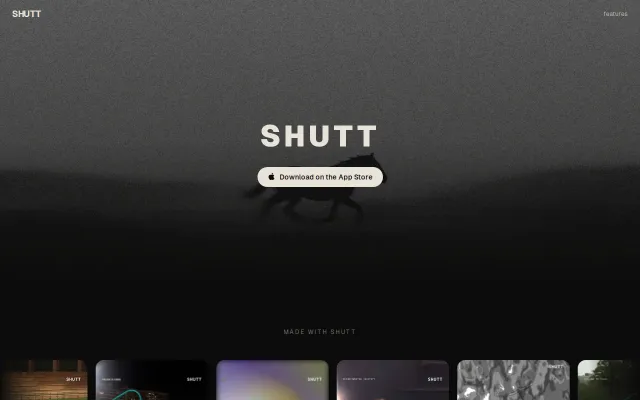
Strava-to-Instagram wrapper with pretty templates — useful if you post daily.
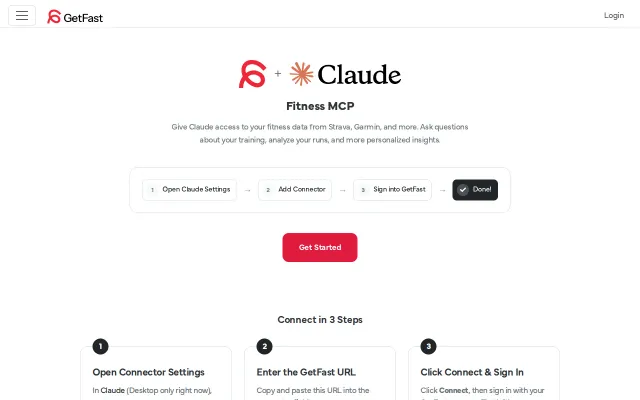
Query Strava and Garmin history directly inside Claude Desktop with this MCP.
Browser-based fitness file repair when Garmin Express requires desktop installs.
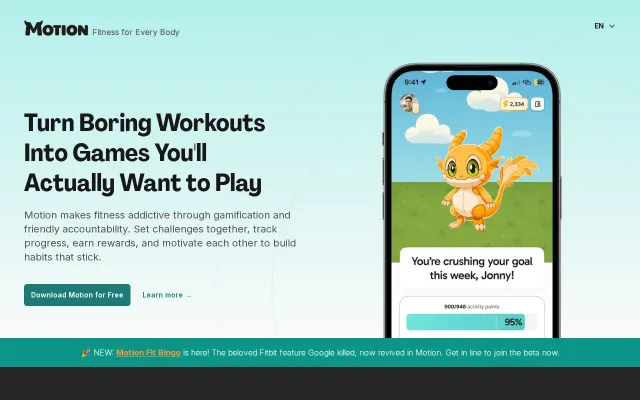
Fitbit Bingo revival with virtual pets that grow as you exercise, 50k users already.