Infrastructure○Pass
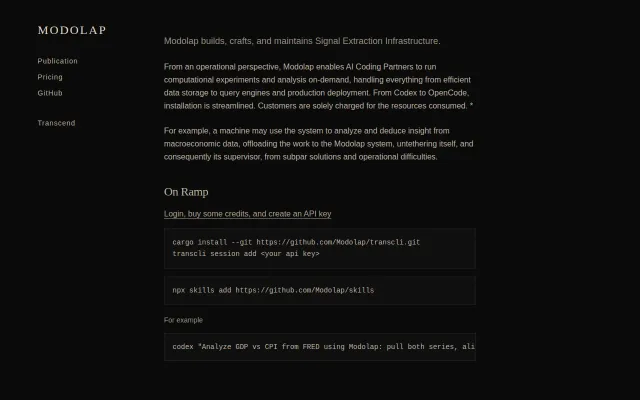
Modolap – Machine-First Analytical Infrastructure
Vague buzzword-heavy landing page with no clear technical differentiation.
Bold Bet
ronfriedhaber
102mo ago
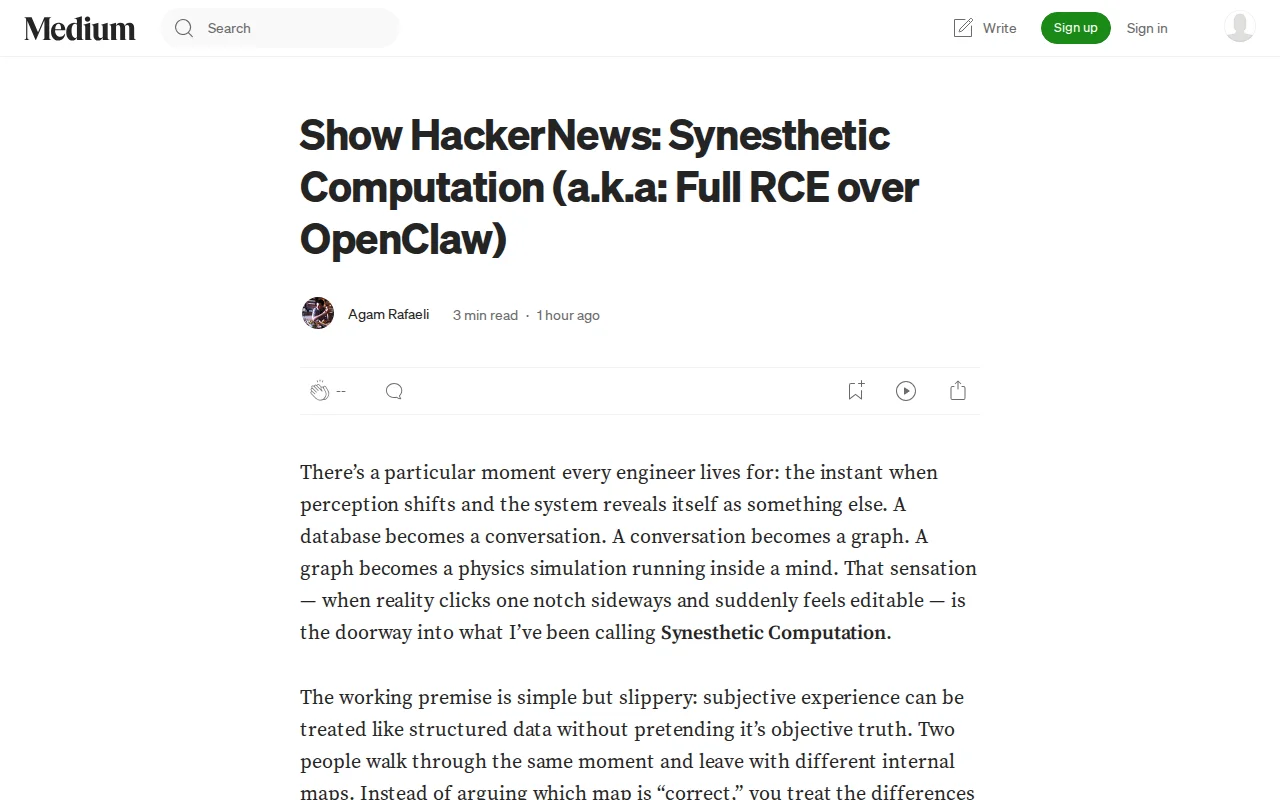
The author walks the reader through a full exploit chain that starts with a UX/trust-boundary trick and ends in RCE by causing a client to connect to an attacker gateway, leak a token, and reconfigure the agent’s execution environment. It's a sharp systems narrative that will change how you think about agents crossing chat, browser, and local tooling — excellent reading for defenders and attacker-minded engineers, but it's an investigative article rather than a ship-or-tool.
Security researchers, pentesters, backend and systems developers building agentic or tool-using AI systems
I wrote up a deep dive into a security issue in OpenClaw that escalates from a seemingly small UX/trust boundary problem into full remote code execution via a single malicious link.
The article walks through the full exploit chain from a systems perspective rather than just a CVE summary. The key theme is what I call “synesthetic computation”: when subjective context, UI state, agent memory, and system permissions get blended together in ways that feel natural to users but collapse important security boundaries. When an agent is allowed to act across chat, browser, and local tooling, those boundaries become part of the attack surface.
In this case, a crafted link can cause a client to connect to an attacker-controlled gateway, leak a token, and then allow that attacker to reconfigure the agent’s execution environment and run arbitrary commands on the host. The interesting part isn’t just the bug—it’s how quickly convenience-driven design patterns in local AI agents can produce “god-mode” blast radius when trust is mis-scoped.
The write-up focuses on: – how local agents collapse UI + infra trust layers – why “runs locally” doesn’t automatically mean “safe” – how agent autonomy changes the RCE threat model – what defensive patterns might look like for agent platforms
Curious how others are thinking about the security model for local autonomous agents and whether we need new mental models beyond traditional sandboxing and token scoping.
Vague buzzword-heavy landing page with no clear technical differentiation.
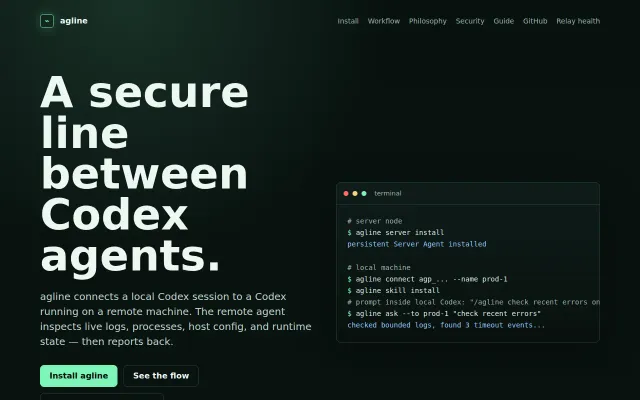
Remote coding agent—but unclear how it differs from Cursor, Continue, or existing AI coding platforms.
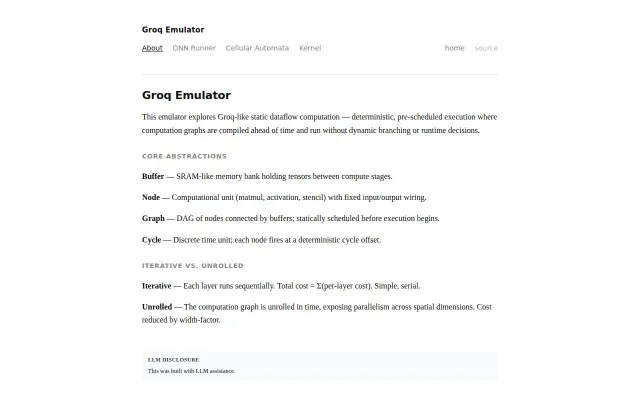
Demystifies Groq's LPU architecture with a working static dataflow model anyone can inspect.
Codex-to-Codex orchestration beats SSH tunneling for multi-node runtime debugging.
Content-addressed caching for Python and shell with checksum-based result sharing.
Sandboxed Rust execution for AI agents, but Devin already owns this category.