Hardware●●Solid
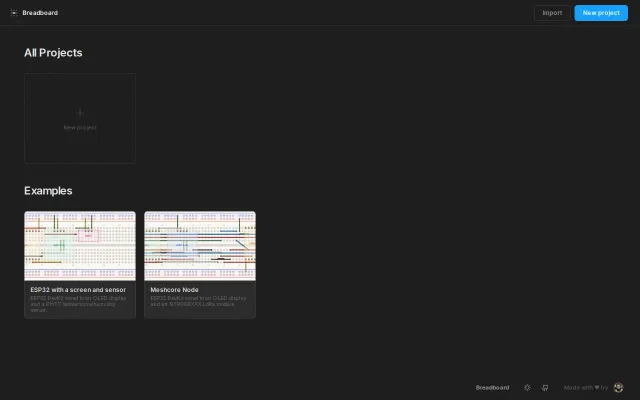
Breadboard – Figma for Breadboard Hackers
Finally solves breadboard spaghetti wiring with a dedicated digital planning canvas.
CozyNiche Gem
safaorhan
552mo ago
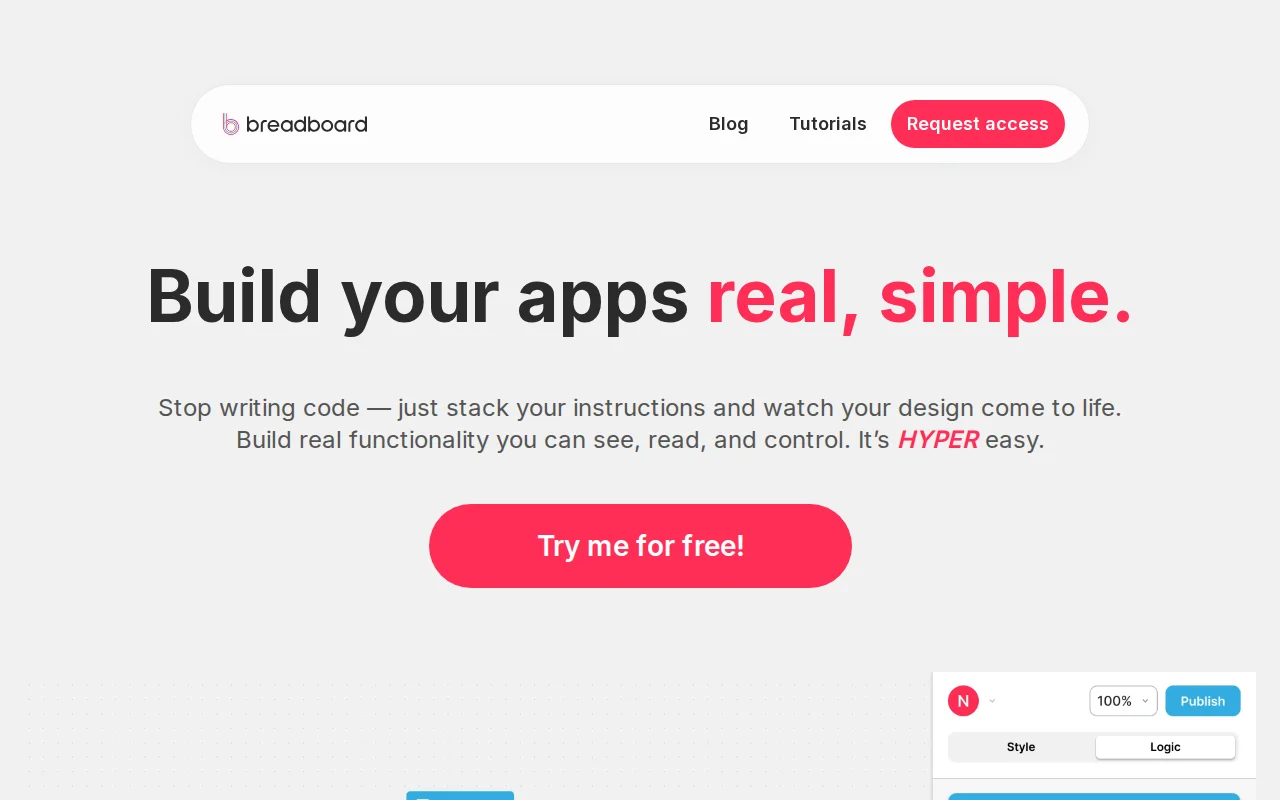
Figma meets Shortcuts for web apps, but no-code builders already flooded the market.
Non-developers, indie makers, product designers wanting to build functional web apps without writing code
Bubble · FlutterFlow · Webflow
What it does
Design UIs visually with a flexible canvas –like Figma–. Define app logic with a visual, instruction-stacked editor inspired by Shortcuts. Live preview apps directly on the canvas –no separate preview window–. Publish working web apps with one click.
Why we made itModernize the HyperCard idea: combine layout, behavior, and instant sharing in one place. Reduce friction between design and a working app. Make simple web apps approachable for non-developers while keeping power features for developers. Build a foundation for LLM integration so users can design and develop with AI while still understanding what’s happening, even without coding experience –in progress!–.
Try it –no signup required–Weather forecast app: https://app.breadboards.io/playgrounds/weather Swiss Public Transit: https://app.breadboards.io/playgrounds/public_transit
Linksinfo: https://breadboards.io
I would appreciate any feedback :)Finally solves breadboard spaghetti wiring with a dedicated digital planning canvas.
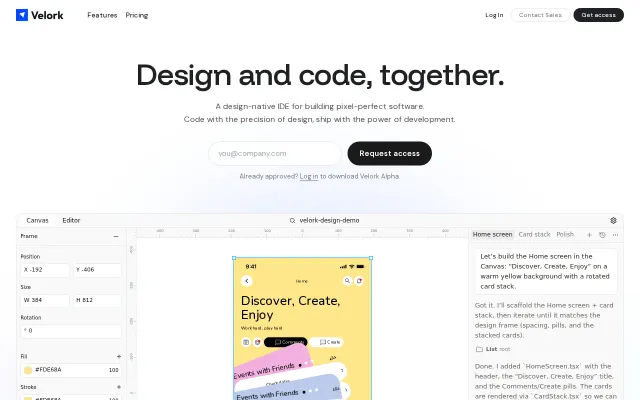
Bridges Claude planning mode and Figma; unclear if spec quality justifies skipping traditional design.
Design canvas inside VS Code beats Figma plugin export workflows.
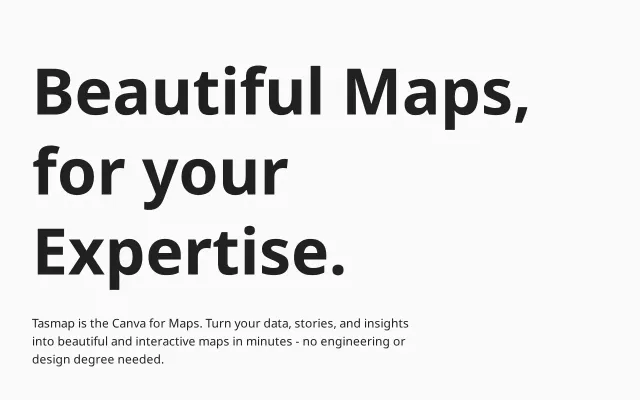
Canva for Maps when Mapbox, Google My Maps, and Carto already dominate this space.
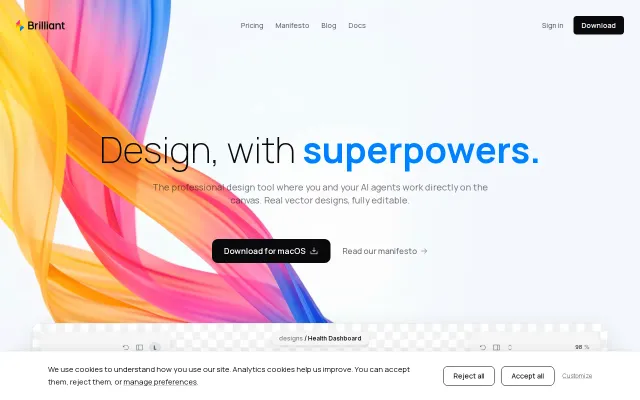
Finally, an AI design partner that edits vector layers instead of generating static images.
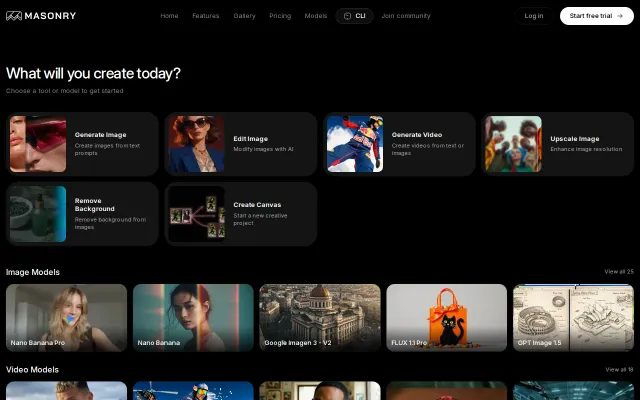
Combines an infinite canvas, scene-level controls (camera, motion, zoom), and side-by-side multi-model comparison so you can prototype a video across Kling/Runway/Pika without changing tabs. Smart touches — character consistency, built-in upscaling and background removal, and storyboard-style scenes — show clear product thinking. The idea isn’t alone in the market, but pulling many heavyweight models into one visual workspace is an audacious, useful play if the integrations are robust.