Hardware●●Solid
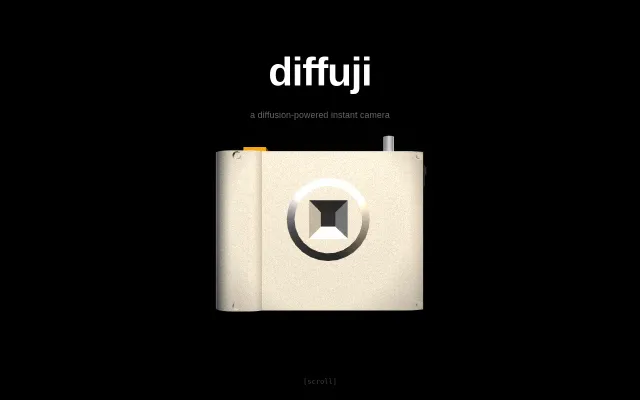
Diffuji – a diffusion-powered instant camera
Physical diffusion-powered instant camera with multi-backend A/B testing.
Eye CandyShip It
nathan-barry
853mo ago
PIrateRF transforms your Raspberry Pi Zero W into a portable RF signal generator that spawns its own WiFi hotspot. Control everything from FM broadcasts to digital modes through your browser - hack the airwaves from anywhere! 📡⚡
12 RF modes on a $20 Pi Zero—FM, FT8, SSTV, spectrum paint, all from browser.
Amateur radio enthusiasts, RF engineers, hobbyists learning digital modes
HackRF One · BladeRF · USRP (software-defined radio platforms)
Everything runs through a browser interface. Upload audio files, type messages, configure frequencies, and transmit. The Pi's GPIO pin does the actual RF generation via rpitx — no external radio hardware needed.
Written in Go with a real-time WebSocket frontend. Includes a preset system, playlist builder, and multi-device support (connect multiple phones/laptops to the AP and share control).
Without an antenna the signal barely reaches 5 meters, which makes it perfect for indoor experimentation and learning about RF protocols without causing interference. All my testing was done indoors with no antenna attached.
Built this because I wanted a single portable tool to experiment with every common RF transmission mode without hauling around expensive SDR equipment.
Pre-built SD card image available if you want to skip the build process.
GitHub: https://github.com/psyb0t/piraterf Blog post: https://ciprian.51k.eu/piraterf-turning-a-20-raspberry-pi-ze...
Physical diffusion-powered instant camera with multi-backend A/B testing.
Turns audiobooks into graphic novels with character consistency across chapters.
Semantic diff-to-issue alignment + agentic rule generation—solves real maintainer pain from Copilot volume.
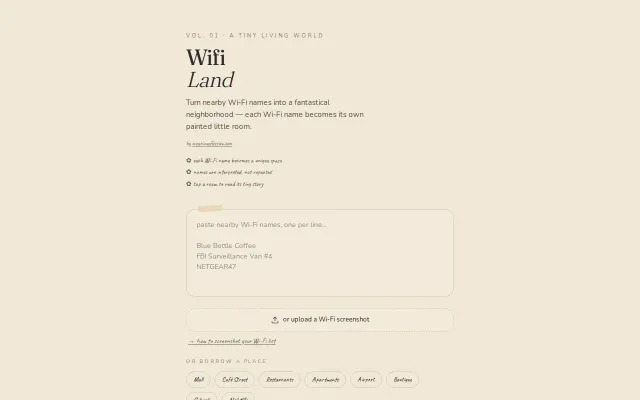
Wi-Fi names become illustrated rooms with generated stories — whimsical but ultimately a novelty.
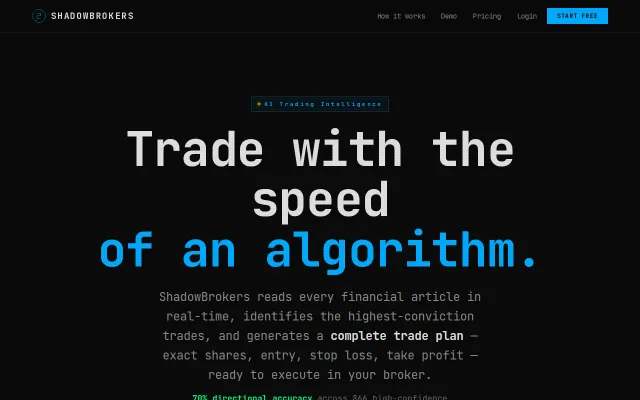
AI news sentiment analyzer for stocks, but 70% accuracy claims need verification.
Another AI music generator, but at least it exports MIDI instead of locked audio.