Productivity○Pass
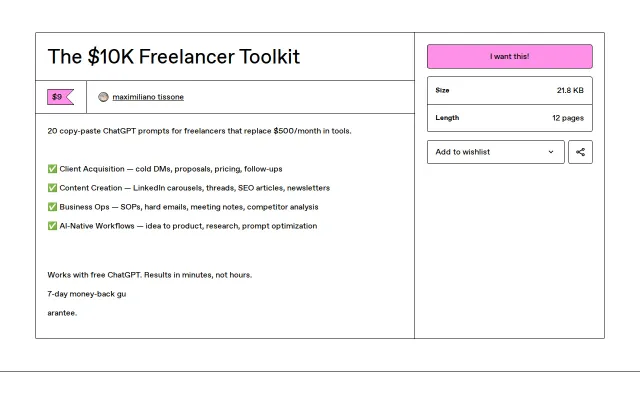
I replaced my $500/mo legal SaaS with an AI-generated toolkit
A $9 PDF of prompts when ChatGPT itself is free.
promptalex53
1016d ago
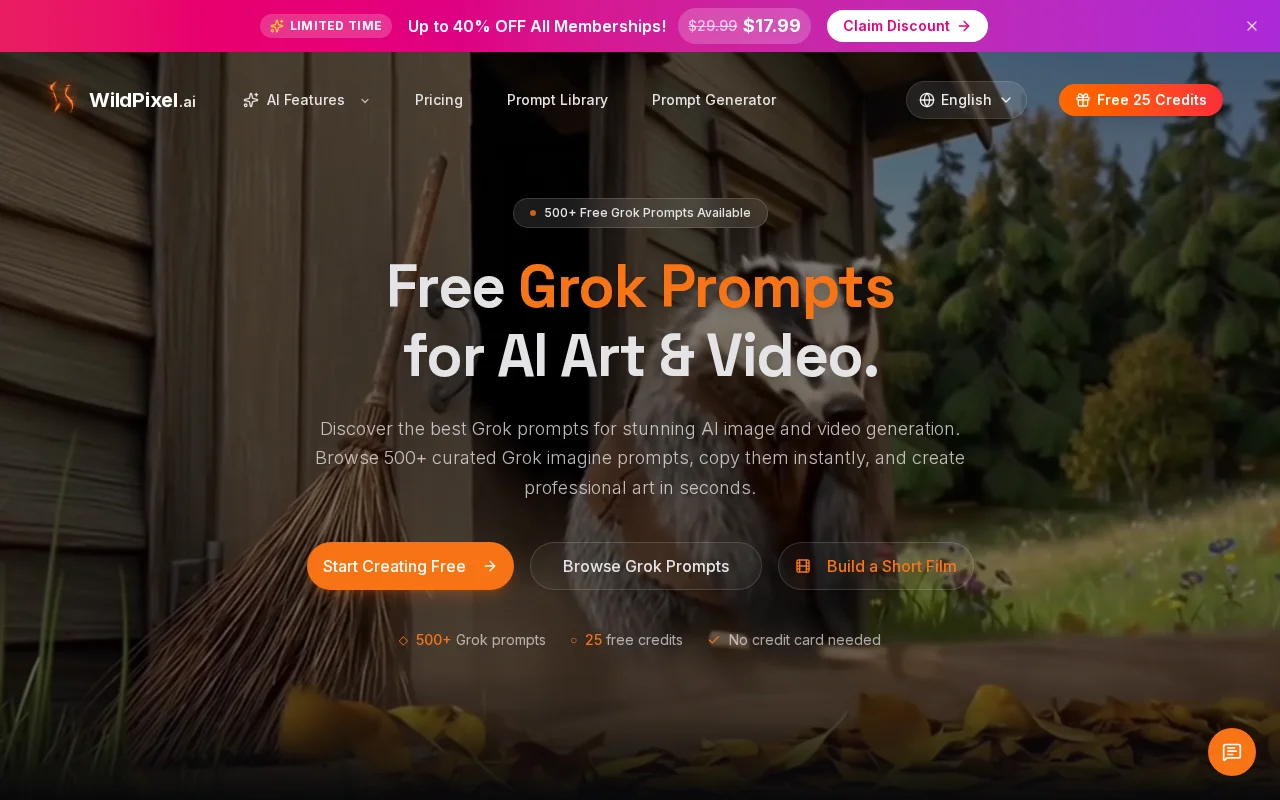
They combined a big prompt library (500+ Grok prompts) with a simple one-click generate flow and a scene-by-scene ‘extend’ pipeline for building short films — a UX that actually maps to how creators iterate. The landing copy promises fast, 4K-aware renders and multi-input support, but the pitch feels derivative in a crowded market and key details (model provenance, export limits, real sample output quality) are missing.
AI artists, indie filmmakers, social media creators, designers and hobbyist content creators
A $9 PDF of prompts when ChatGPT itself is free.
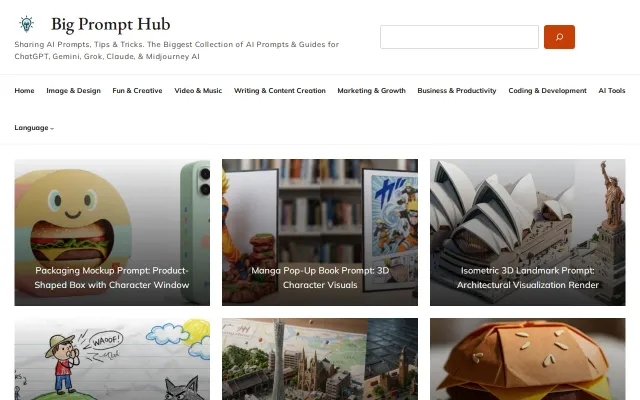
Static prompt directory, but every major AI tool has a free prompt library now.
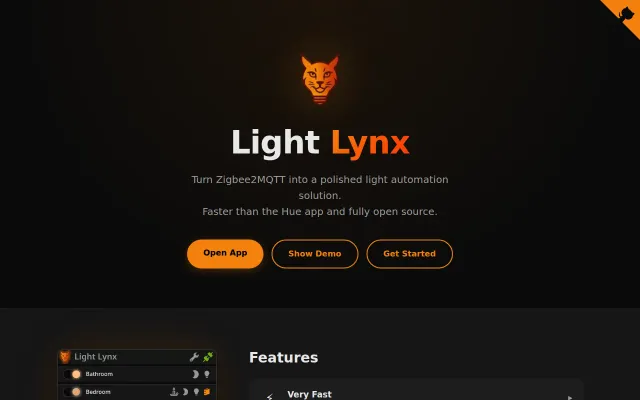
Fast, mobile-first interface that actually uses Zigbee groups and scenes to make lights change together instead of the staggered multi-device flicker most UIs produce. Automations run locally inside Zigbee2MQTT and the PWA caches state for instant launches — thoughtful touches like per-group permissions and client-side password hashing show the author worked through real deployment pain. Remote access via UPnP is a neat convenience, but it’s also the one place you should audit before exposing your network.
Blog post about prompts, not an actual tool or shipped code.
Wraps Grok image-to-video for sprites, but Aseprite and Leonardo already dominate this niche.
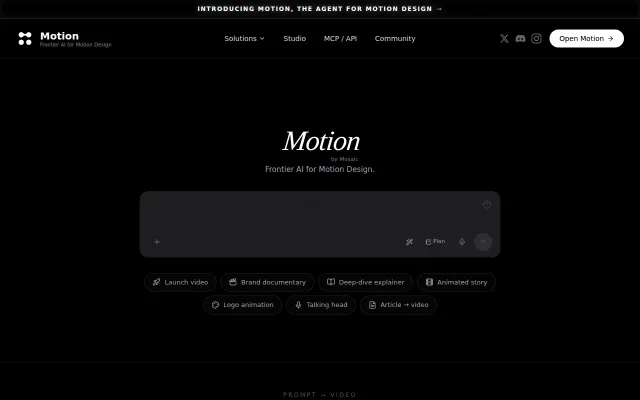
Another AI video generator competing with Runway and Pika in a saturated market.