Hardware●●●Banger
Capacitor Alarm Clock
Explodes capacitors at alarm time because ElectroBOOM inspired it.
Crowd PleaserWizardry
arcaege
153481mo ago
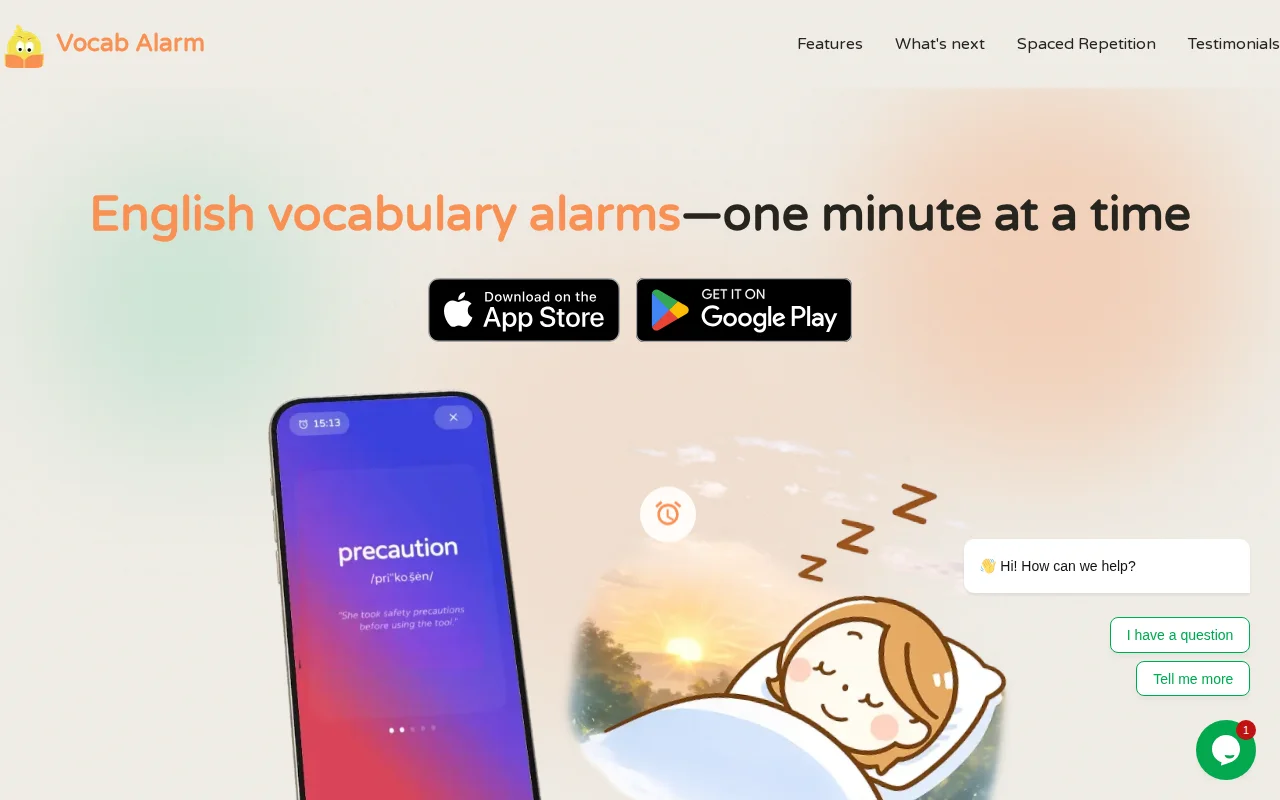
Alarm-based vocabulary delivery sidesteps app-fatigue; spaced repetition is standard SRS.
English learners seeking low-friction daily vocabulary building
Anki · Quizlet · Duolingo
That surprised me — because I’ve tried to learn vocabulary more times than I can count.
The pattern was always the same:
Download an app → Study hard for a few days → Miss a week → Forget everything.
Not because I’m lazy. But because learning vocab requires too much effort.
10 years ago, I even had an idea called “5s English” — learn just 5 seconds a day. The design was good. The idea was solid. But I couldn’t manage the team, so it died.
Years later, a friend told me about an alarm app that won’t stop ringing unless you solve a quiz.
That hit me.
Why does learning English require motivation… but waking up doesn’t?
So I built Vocab Alarm.
Instead of asking you to open an app, It brings 3 words to you every day — like an alarm.
One minute. Repeated daily. No pressure.
If you know a word → it appears less. If you don’t → it comes back more. That’s it.
Not another “study harder” app. Just a small habit that actually sticks.
Would love to hear how you learn vocabulary — or why most apps didn’t work for you either.
Explodes capacitors at alarm time because ElectroBOOM inspired it.
Translation of existing Chinese Python course—useful but nothing technically new here.
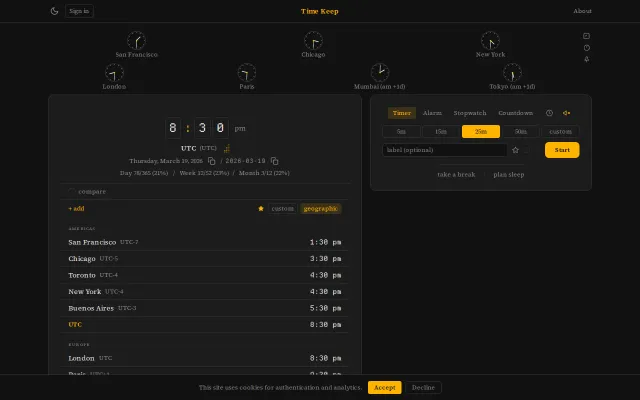
Combines world clocks and Discord timestamp generators when OS widgets already handle timers.
One-click CloudTrail monitoring, but AWS Security Hub and GuardDuty already cover this.
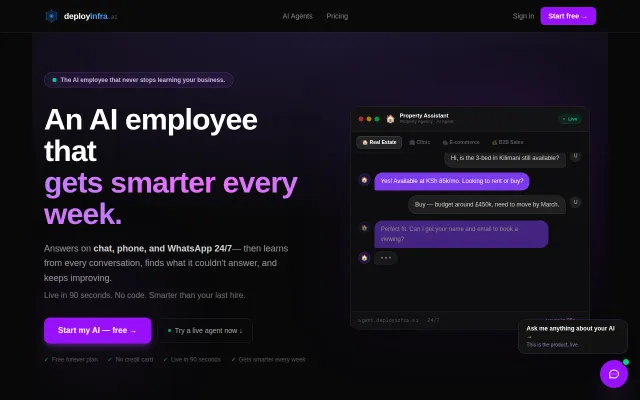
Another AI employee platform, but claims weekly self-improvement from failures.
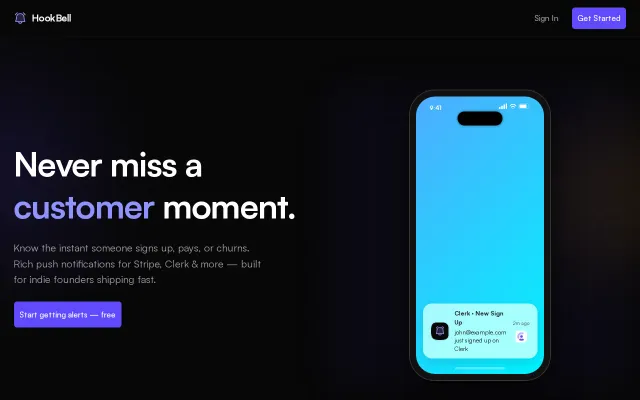
Webhook-to-push for Stripe and Clerk when Zapier already does this.