Data●●Solid
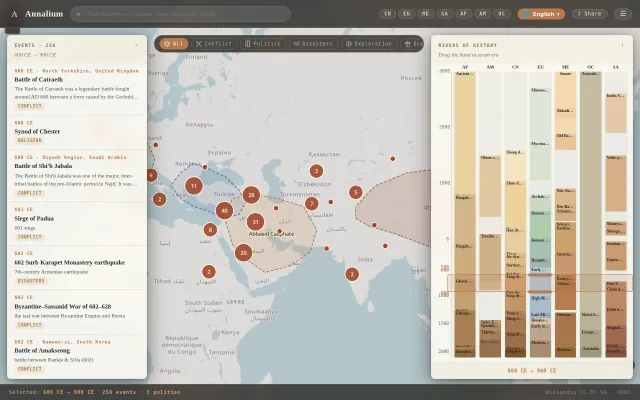
Annalium – a world-history map and timeline in the browser
Dual map-timeline view makes historical patterns visible in ways single-axis tools can't.
Eye CandyNiche Gem
i18nagentai
2125d ago
Web crawling beats user-generated content for finding small-venue local events.
NYC residents, local event goers
Eventbrite · Facebook Events · Meetup
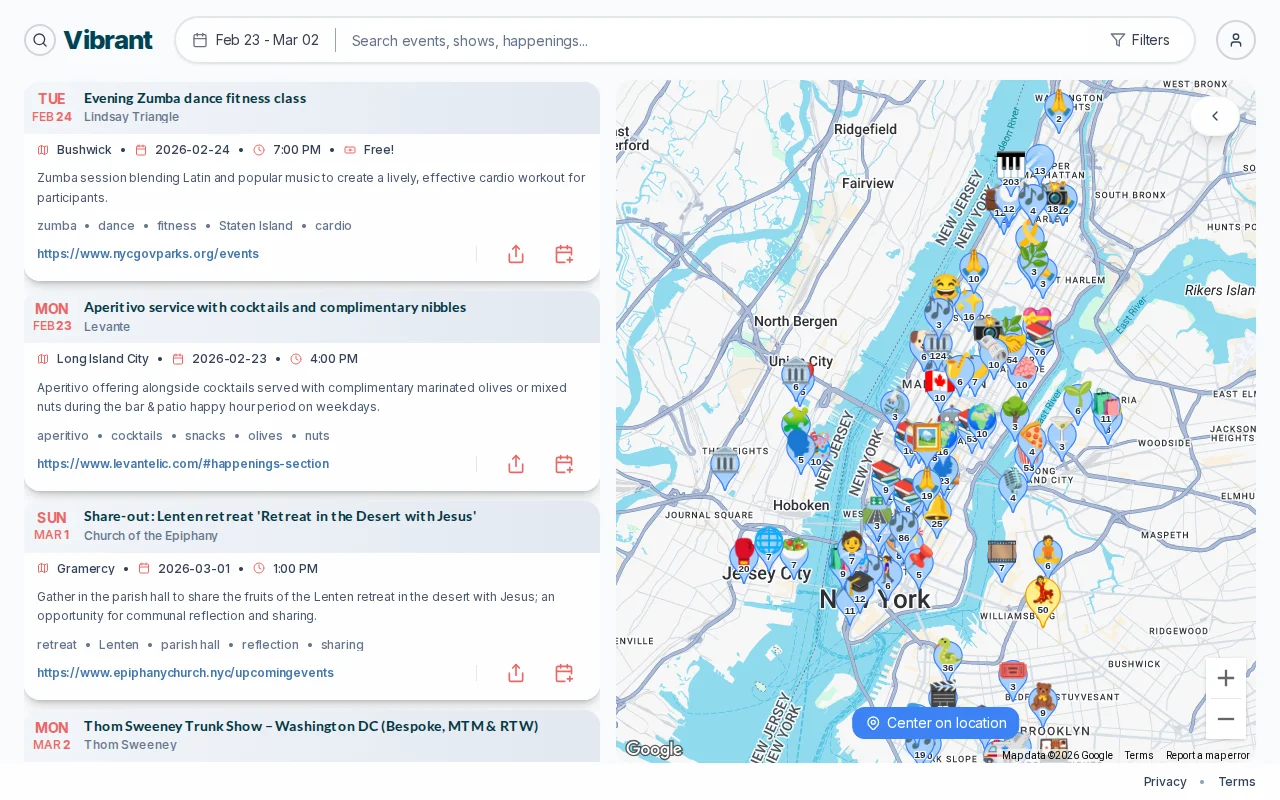
We created vibrantsearch.ai to address pain points in existing event discovery platforms. Existing platforms rely on user-generated content and/or typically monetize through ticket sales. This skews event inventory toward big-ticket shows and touristy activities. We were frustrated that some of the most interesting small-venue events—e.g., your local pub special or trivia night—go completely unnoticed!
Use vibrantsearch.ai like you would a traditional search engine. You can query for specific event names, themes, or interests, and also filter by date range and location via the map (the viewport defines the filter region). Once you find something you like, click the webpage URL to visit the source, share the event card with a friend using the share button, or add it to your calendar.
We’re also experimenting with MCP connectors that let you connect Vibrant to your favorite LLM assistant. This enables cool use cases such as: “Check my wife’s and my calendars for availability and suggest some date-night ideas in the next two weeks. She loves being on the water!”
My hope is that one day we can all search events posted to the web the same way we search webpages. We’re curious to hear what you think!
MCP connector demo: https://youtu.be/JzCdyvgfWLw
Dual map-timeline view makes historical patterns visible in ways single-axis tools can't.
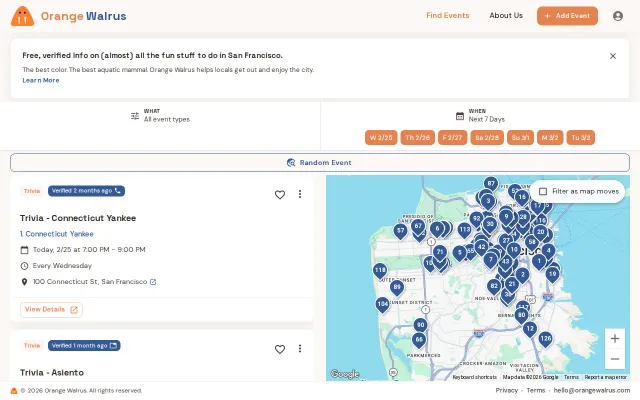
Local event aggregator for SF when Eventbrite, Meetup, Ticketmaster already exist.
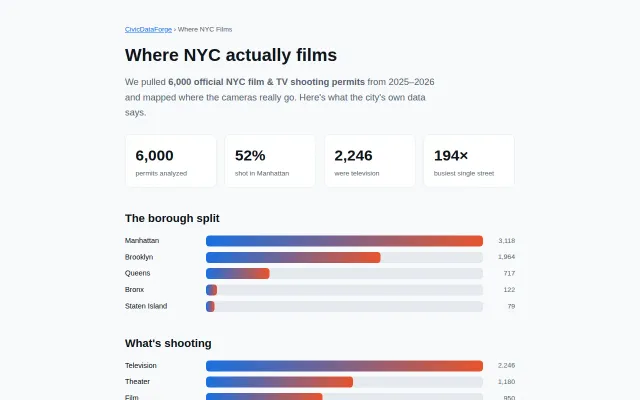
Clean data viz, but Google Maps already shows filming permits.
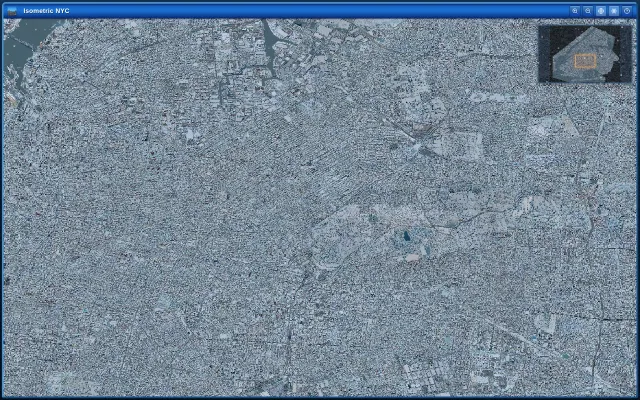
Beautiful isometric snow effect, but it's a visual novelty—art project, not a tool or product.
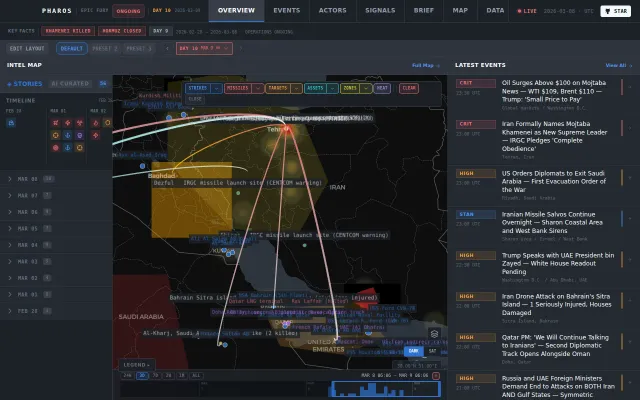
Geospatial conflict dashboard beats raw-feed competitors with spatial intel and AI signal curation.
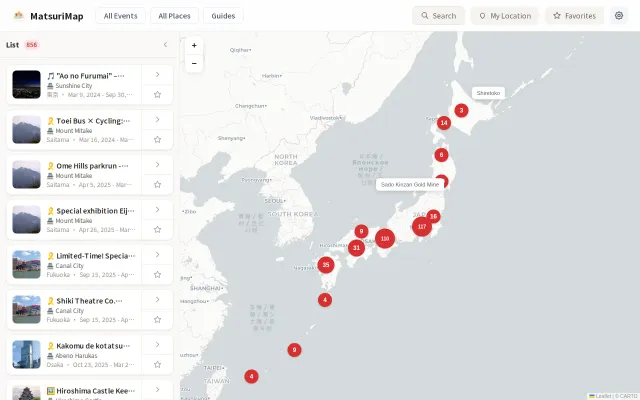
Beautiful Japan festival map, but data is AI-scraped; accuracy depends on automation, not curation.