Developer Tools●Mid
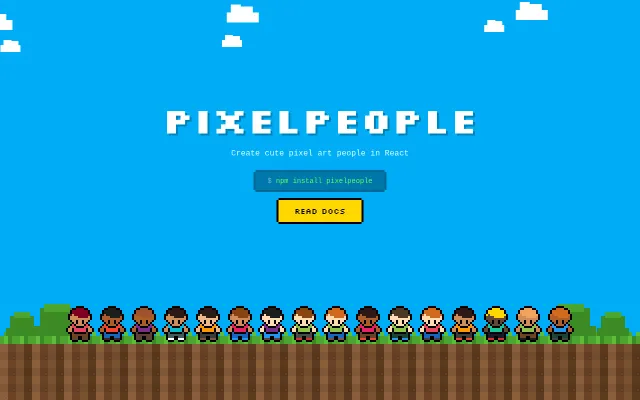
PixelPeople – Generate people in pixel art for React
DiceBear for pixel art, but React-specific with crowd component.
CozyEye Candy
YoucefHQ
102mo ago
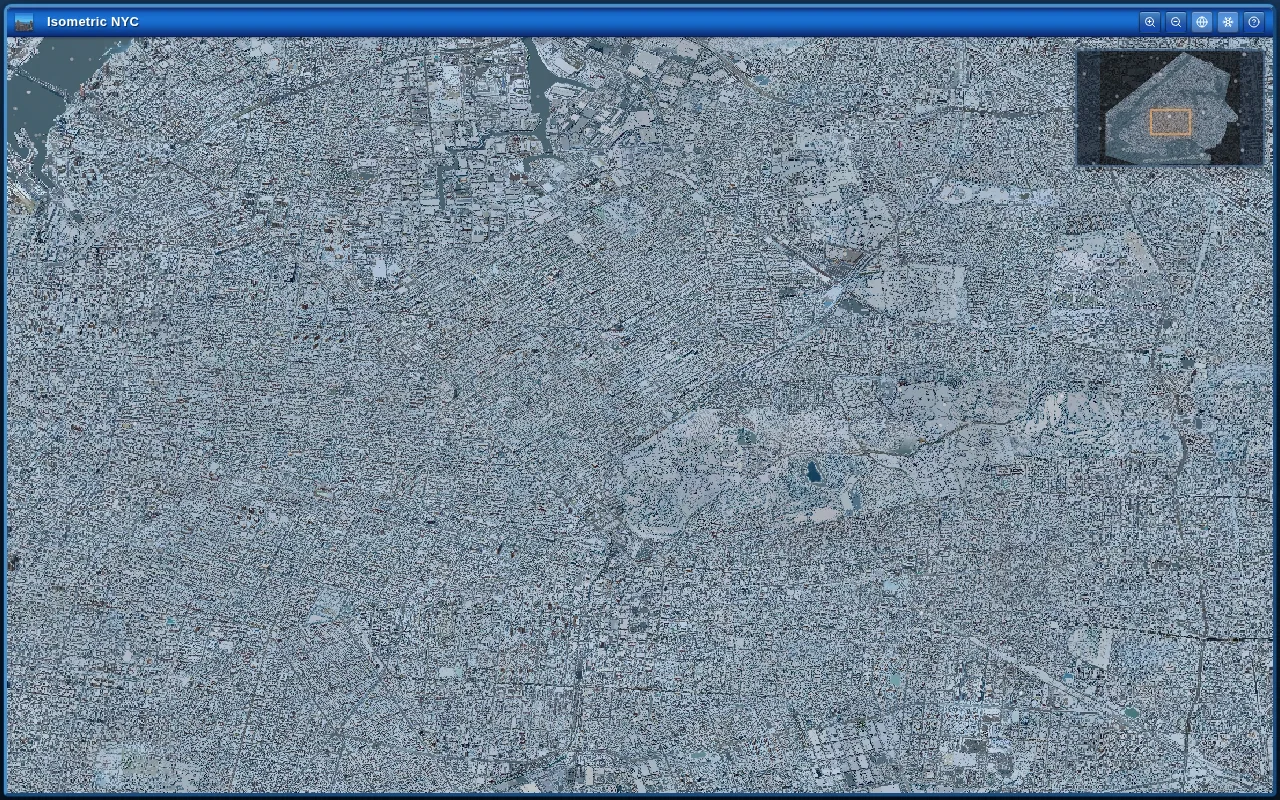
Beautiful isometric snow effect, but it's a visual novelty—art project, not a tool or product.
Generative art enthusiasts, map design nerds, NYC visual culture fans
As NYC wakes up to the largest blizzard in years, I’d like to share [isometric.nyc/snow](http://isometric.nyc/snow) - a wintry mix of the original isometric pixel map of NYC .
This work builds on the original isometric.nyc ideas but aims to increasingly automate the process of generating the tiled images. I’ve written up a follow-up addendum at [cannoneyed.com/projects/isometric-nyc\#snow](http://cannoneyed.com/projects/isometric-nyc#snow) that describes some of this work, but the tl;dr is:
* ensuring that training data and generations are color balanced / normalized goes a long way for consistency (duh) * augmenting water with a crosshatch pattern allowed the model to learn what it was instead of hallucinating (interesting!) * dramatically increasing inference throughput on [modal.com](http://modal.com) meant I could generate 10s of thousands of tiles in a few hours at very little cost, allowing me to experiment much more rapidly
This project continues to be a lot of fun, but I’m now mostly focusing on the agentic workflows that power this kind of ambitious generation at scale. Can’t wait to share more soon.
DiceBear for pixel art, but React-specific with crowd component.
Turns text prompts into looped pixel-sprite animations with on-site playback and spritesheet/GIF export, which is immediately useful for rapid prototyping. The live preview and palette controls feel catered to creators, but the real value will hinge on consistency across frames (same character, directional sprites) and granular timing/frame controls.
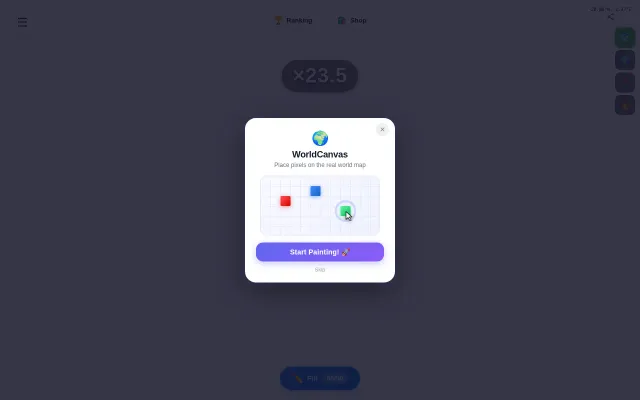
r/place on actual map coordinates with WebGL zoom—clever technical execution, limited staying power.
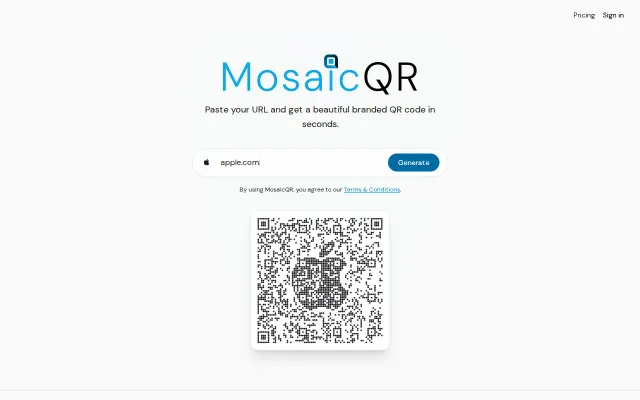
Finally, a QR generator that doesn't look like a generic black-and-white square.
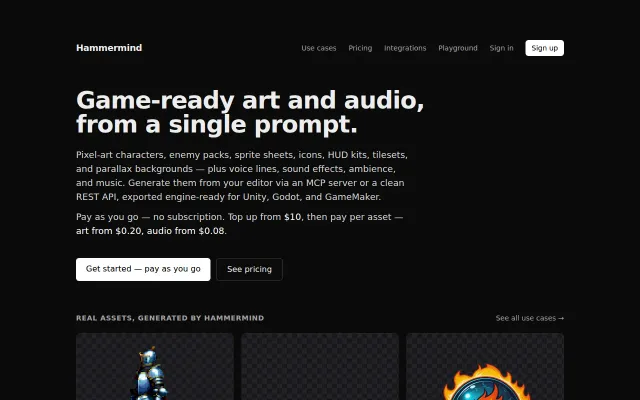
MCP server integration lets Claude Code generate sprites directly in your editor.
The real hook is the style-pack system: each sprite style ships as a ZIP that defines animations, layers and frame sizes so you can swap visual pipelines without hacking the app. Smart layering rules and constrained randomization make it fast to iterate characters, and the export controls (sequencing, layout, per-frame sizing) show the author thought about real game pipelines. It’s not revolutionary — desktop Java + paid style ecosystem limits reach — but it’s a useful, focused tool for pixel-art workflows.