AI/ML●●Solid
NeuroSync – An experimental Python library for neural cryptography
Academic neural cryptography with error correction—interesting research, niche application.
Big BrainRabbit Hole
TheDumb1
123mo ago
An activation-based protocol for AI-to-AI knowledge transfer across architectures
Cross-architecture knowledge transfer via activation tokens, but benchmarks lack rigor and baselines.
ML researchers and engineers exploring knowledge distillation and transfer learning across heterogeneous models.
Knowledge distillation (FitNet, RKD) · LoRA and adapter modules · Model stitching
The reference implementation (tessera-core) is a Python/PyTorch library. Current benchmarks show positive transfer across CNN, Transformer, and LSTM pairs. It runs on CPU and the demo finishes in under 60 seconds.
Happy to answer questions about the protocol design, the wire format, or the benchmark methodology.
Academic neural cryptography with error correction—interesting research, niche application.
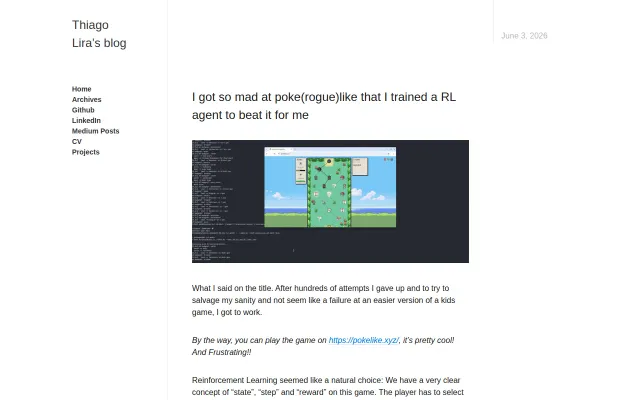
178K neural net beats Pokémon roguelike with clever 1386-dim state encoding.
Treats an agent's prompts and behaviors like versioned packages — commands such as stato crystallize, snapshot, validate, bridge and registry install create an npm/pip-style workflow for ‘expertise’ with a 7-pass compiler and privacy scanning before export. The composition algebra (slice, graft, merge) plus cross-platform bridge generation (e.g., CLAUDE.md) are clever, concrete features that go beyond simple memory dumps. It’s clearly targeted and useful for teams running agent-driven dev workflows, but it needs registry adoption and cross-agent fidelity evidence to become indispensable.
Magic-byte scanning catches disguised executables; but Tresorit and Sync.com already do encrypted transfer.
Direct ANE access bypasses CoreML to enable training—genuinely novel Apple Silicon unlock.
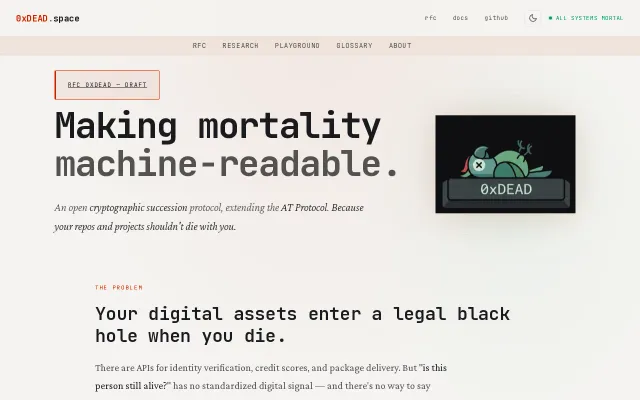
AT Protocol key rotation for death succession—why didn't this exist before?