AI/ML●Mid
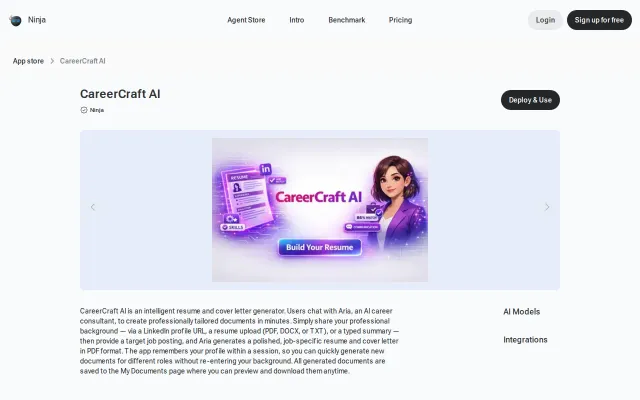
CareerCraft AI – Generate tailored resumes from a conversation
Conversational resume builder skips rigid forms but faces stiff competition from Teal and Kickresume.
SlickCrowd Pleaser
ptak_dev
103mo ago
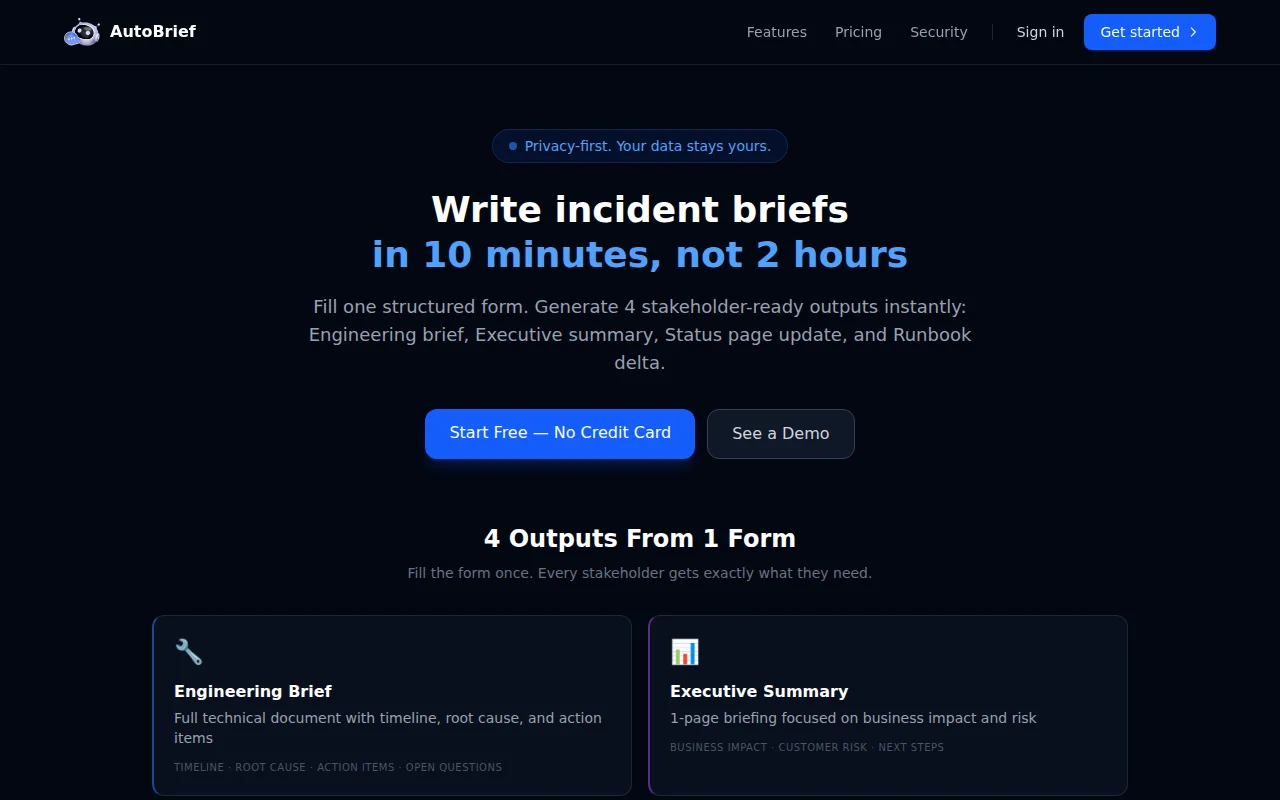
One form, four outputs—replaces messy Slack threads with audience-specific incident docs.
SREs, DevOps engineers, incident commanders, on-call teams at mid-to-large companies
Opsgenie (incident alerting + response) · PagerDuty (incident lifecycle) · Rundeck (runbook automation)
I built AutoBrief after noticing that resolving incidents wasn’t the longest part — writing about them was.
After every incident we would write: • An engineering postmortem • An executive summary • A status page update • Runbook changes
Same incident, multiple documents.
AutoBrief lets you fill out one structured form (timeline, impact, root cause, mitigation, uncertainties) and generates tailored drafts for each audience.
A few design decisions: • Sensitive fields encrypted at the application layer • Workspace isolation using Postgres RLS • Incident data is not used to train AI models • Meant as a draft accelerator, not a replacement for review
Stack: Next.js 15, Supabase (Postgres + RLS), Claude API, deployed on Vercel.
I’d especially appreciate feedback from engineers who run incident reviews. Would this reduce overhead in your workflow, or just add another tool?
Conversational resume builder skips rigid forms but faces stiff competition from Teal and Kickresume.
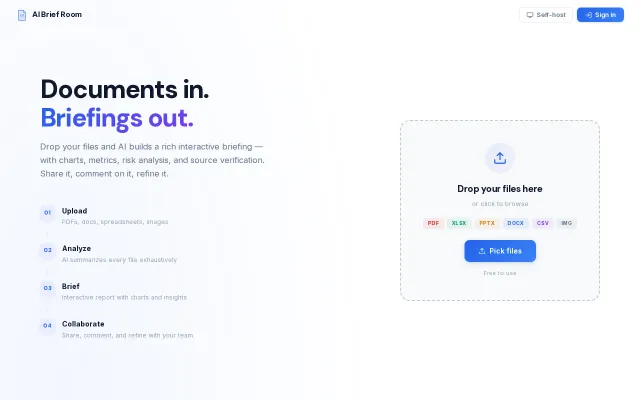
NotebookLLM alternative with Figma-style comments and 17 briefing component types.
Treating LLM output like compiler input — with typed style guides, required-section enforcement, and explicit Confidence/LostElements on transformations — is a clever, non-obvious approach that could actually raise the signal-to-noise on generated content. The product shows useful practical features (export to PDF/HTML/JSON, jurisdiction-aware legal drafting, slide generation), but the real test will be how maintainable and authorable those rule sets are in messy, real-world workflows.
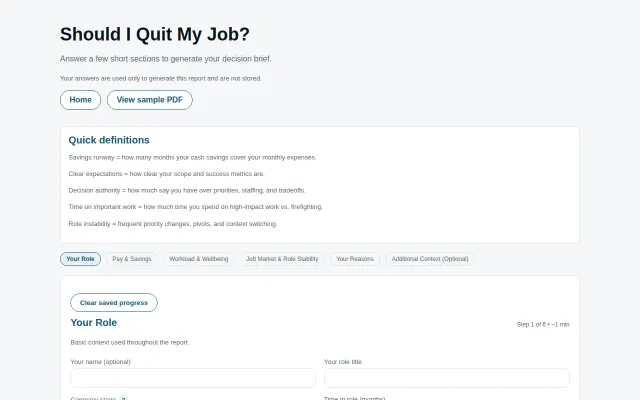
Avoids LLM hallucination with deterministic scoring, but a pros/cons spreadsheet solves the same problem.
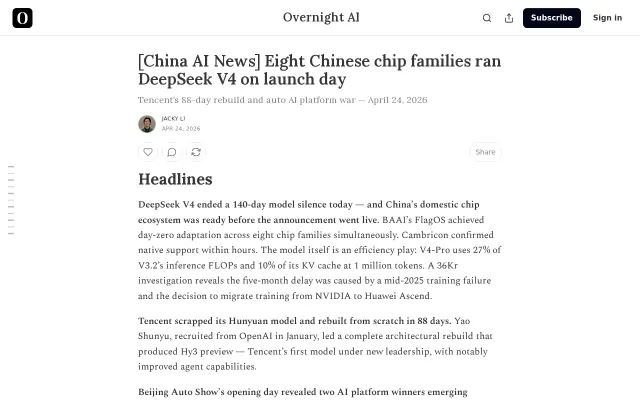
Daily China AI briefings generated from 200+ sources before English outlets.
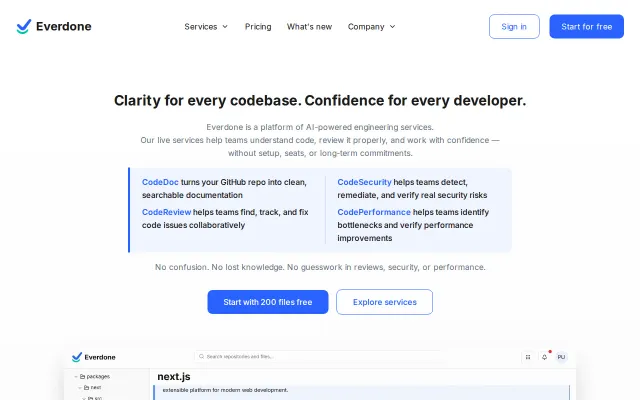
The product's real selling point is the iterative verification loop: AI inspects PRs/branches, surfaces exploitable issues with file+line and severity, and then re-runs reviews to confirm fixes — that workflow (Open → In Progress → Resolved → Closed/Rejected) is practical and would reduce issues slipping through. Promising as a unified place for docs, review, security and perf, but success depends heavily on low false-positive rates and transparent evidence for security findings; without that, it risks feeling like another noisy scanner.