Other●Mid
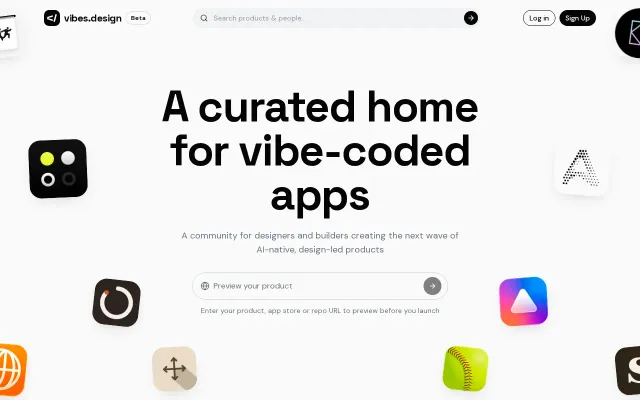
Vibes.design – Show HN: Vibes.design – Launch AI Apps with Vibe-Coding
Yet another AI app directory when Product Hunt and existing platforms already do this.
Ship It
James594
2015d ago
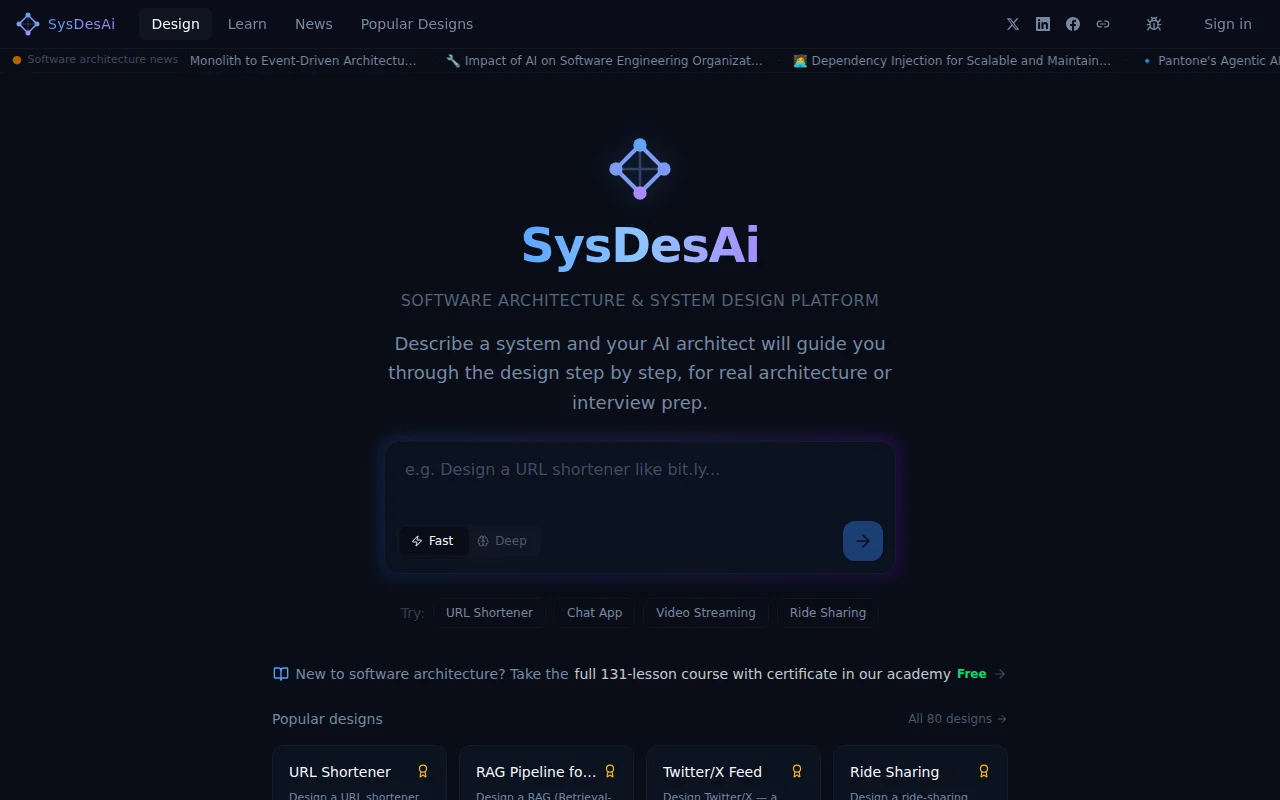
Interactive system design with step-by-step regeneration, but LLM architecture tutoring is well-served already.
Backend engineers, architects, engineering interview candidates
Educative System Design Course · Exponent · Grokking the System Design Interview
So I built SysDesAi. It started as a tool for myself. Part AI architect, part learning platform, part engineering news source. You describe what you want to design and an AI walks through it with you step by step: requirements, capacity estimates, API design, data models, architecture diagrams, sequence flows, scaling bottlenecks. Basically the architecture part of vibe coding that usually gets skipped.
It's not a one-shot generator. You can push back at every step, ask questions, or take the conversation in a different direction. If you disagree with a tech choice the AI made, you say so in chat, and there's a button to regenerate just that step with the new direction. Or if you don't care and just want the full design, there's an autopilot mode for that.
It ended up growing beyond the design tool:
- 10 phases per design (requirements, scope, estimates, API, data model, architecture diagram via Mermaid, sequence diagrams with a custom SVG renderer, scaling, summary) - Two AI modes: Fast (Gemini 2.5 Flash) and Gemini 2.5 Flash Thinking - Google Search grounding on the architecture and scaling phases, so the AI recommends tech based on what's current, not just what was in its training data - Gallery with 48+ designs you can browse, fork, comment on, or ask the AI about - Free course: 11 modules, 60+ lessons, quizzes, certificates - News feed pulling from 35+ engineering blogs (Netflix, Uber, Cloudflare, AWS, etc.). You can read an article and generate a design based on it
Some technical decisions I found interesting:
- Designs aren't generated in one shot. You clarify requirements first, then the AI builds a step plan, then generates each step with full context of everything before it. The difference vs. a single big prompt was pretty obvious once I compared the two. - The architecture and scaling phases use Google Search grounding. Without it the AI would recommend outdated patterns or miss newer alternatives. With it, the recommendations actually track what people are using now. - When you ask the AI to change something in chat, it detects that and shows an "apply changes" button. One click regenerates that step. Downstream steps get marked as outdated so you know what needs a refresh. - I built a custom SVG sequence diagram renderer because Mermaid's sequence diagrams can't do interactive step reveal, clickable step bands, or zoom/pan. Spent more time on this than I'd like to admit.
Pricing: 50 free credits on signup. You can bring your own Gemini API key and use it for free, unlimited. Or buy credit packs ($5/50, $20/250) if you don't want to deal with API keys. Course, gallery, and news feed are free, no credits needed.
Not sure how useful this is to anyone besides me, but I'd like to hear what you think. What works, what doesn't, what would you do differently.
Yet another AI app directory when Product Hunt and existing platforms already do this.
Useful shell script patterns, but just a workaround for API rate limits.
The repo shines by focusing on the rarely-curated, code-level side of architecture: 14 real ADR examples (Kubernetes KEPs, Rust RFCs, Spotify/Flutter docs) and a neat shortlist of architecture-verification tools (ArchUnit, Arkitect, Konsist, arch-go). It's a pragmatic, opinionated filter of 106 resources that will save time for teams hunting implementable patterns, but it remains a static list — no ranking, tagging, or runnable examples to speed adoption.
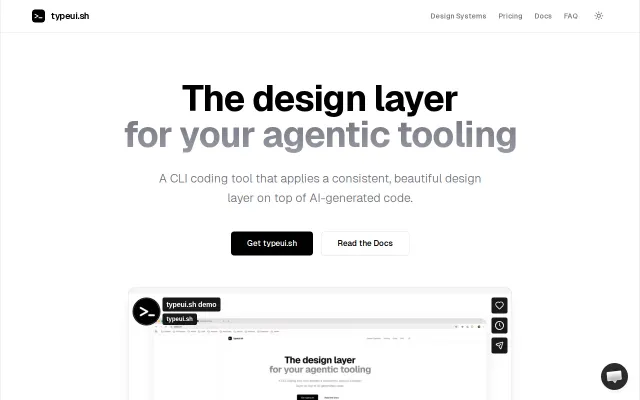
Design system specs for agentic code — but LLMs already constrain via prompts.
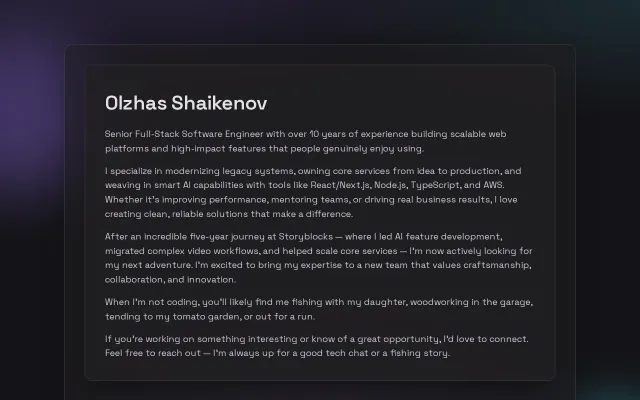
Clean, dark-mode portfolio that looks nice but offers nothing new compared to standard templates.
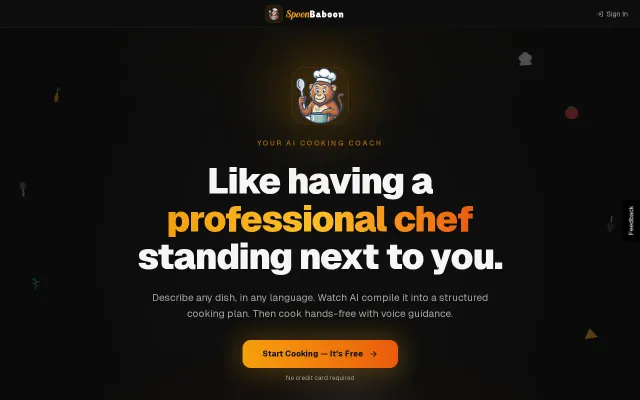
Voice-guided cooking sounds nice, but SideChef already did this three years ago.