Education●●●Banger
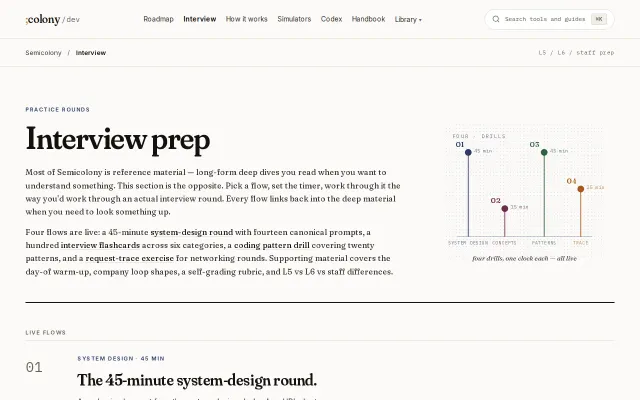
A Visual Back End Engineering Interview Handbook
Timed system-design rounds with canonical prompts beat static LeetCode grind.
Solve My ProblemBig BrainSlick
officerdodles12
4023d ago
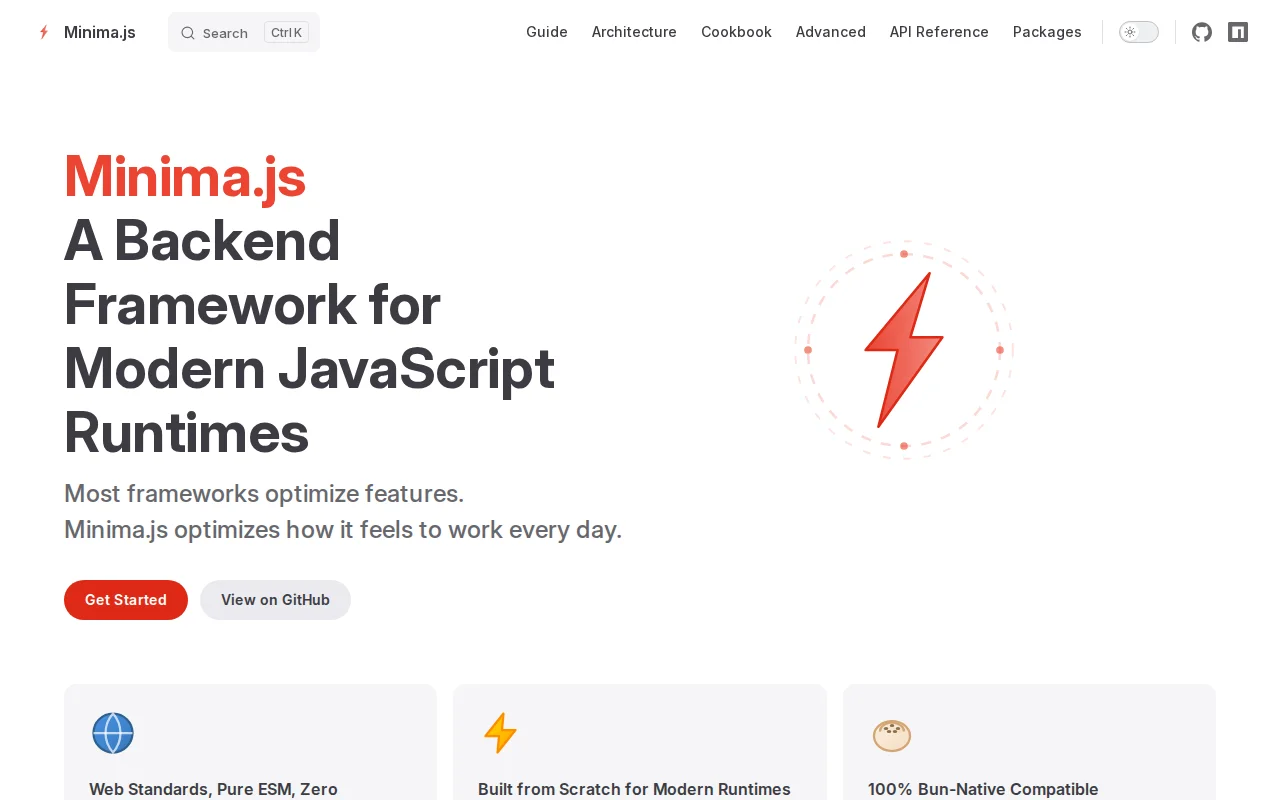
Web standards-first backend with zero abstractions, but Express/Hono already own this space.
Full-stack JavaScript developers using Bun or Node.js
Hono · Elysia · Express
Intro: https://minimajs.com/intro.md
The five core ideas I’m most excited about:
1. Runtime-Native Support - Built from scratch for Bun and Node.js with zero abstractions
2. Web Standard First - Uses native Request, Response, File, Blob, and Uint8Array throughout — no Node.js-specific buffers or proprietary abstractions
3. File-Based Modules - Your folder structure defines your API structure
4. Context Functions - Access request data anywhere without prop drilling
5. Everything is a Plugin - Hooks, middleware, auth—all follow the same pattern
Docs: https://minimajs.com
LLM-friendly docs index: https://minimajs.com/llms.txt
Would love feedback from people who’ve shipped production Node/Fastify/Express apps: does “web-standards + ALS-first context” resonate, and what would you want to see before trying it?
Timed system-design rounds with canonical prompts beat static LeetCode grind.
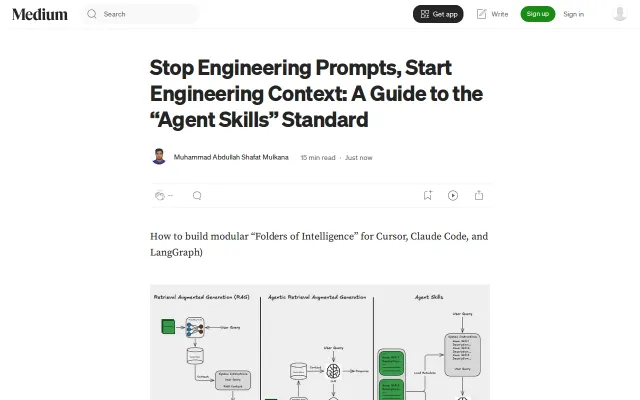
Modular context folders beat monolithic prompts for scaling AI agent instructions.
Concrete, hands-on demos — row-level multi-tenancy implemented with Prisma, async jobs via BullMQ/Redis, and tracing through OpenTelemetry/Jaeger — make this a useful reference for people building SaaS backends. It’s not reinventing the stack, but the repo bundles several production patterns and infra pieces together in a way that’s easy to explore; would be stronger with architecture diagrams, runnable quickstart scripts and example data.
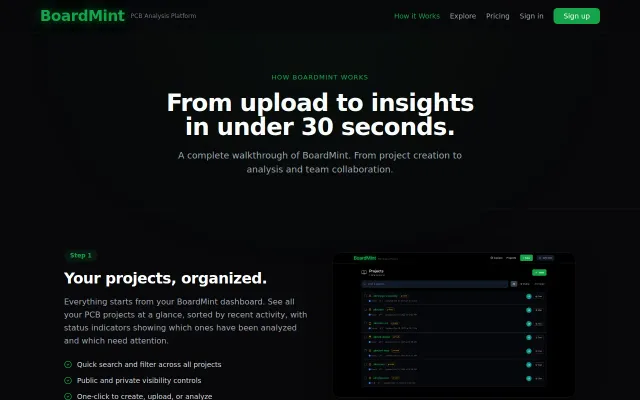
Deterministic PCB validation with 12 physics engines and standards-backed checks, shipping with real credibility.
Schema-to-IR compiler beats Hasura's GraphQL lock-in with framework-agnostic REST.
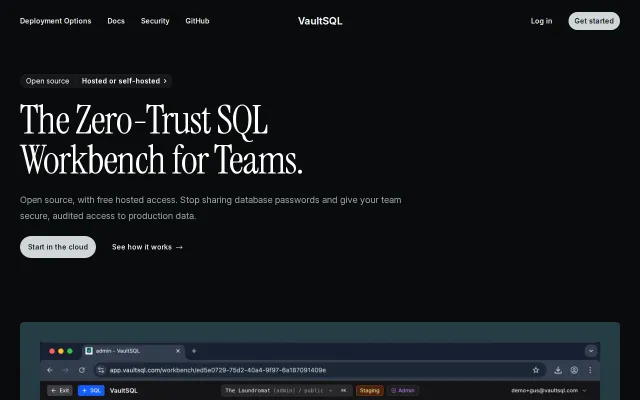
Zero-knowledge encrypted database credentials with access requests — better than sharing passwords in Slack.