Security●●Solid
PrivacyShield – Mask your PII before it reaches ChatGPT/Claude
Local PII masking for ChatGPT—free and zero-server, but detection accuracy unverified.
Solve My ProblemDark HorseSlick
BuddhikaR
113mo ago
Solves a real, growing pain (PII leakage to AI APIs) with zero-friction UX.
Freelancers, lawyers, doctors, developers, and anyone pasting sensitive data into AI chatbots.
Privy · DLP tools like Forcepoint · Burp Suite intruder (enterprise PII masking)
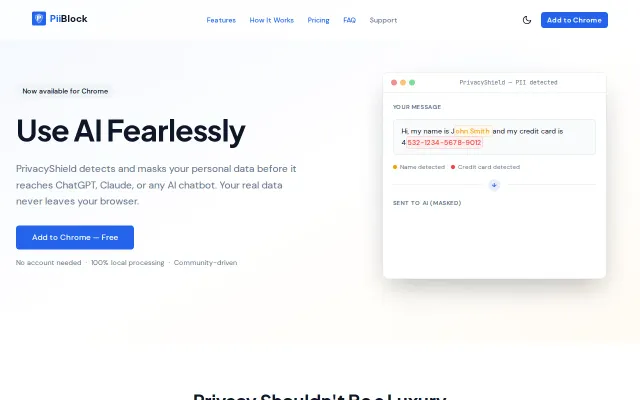
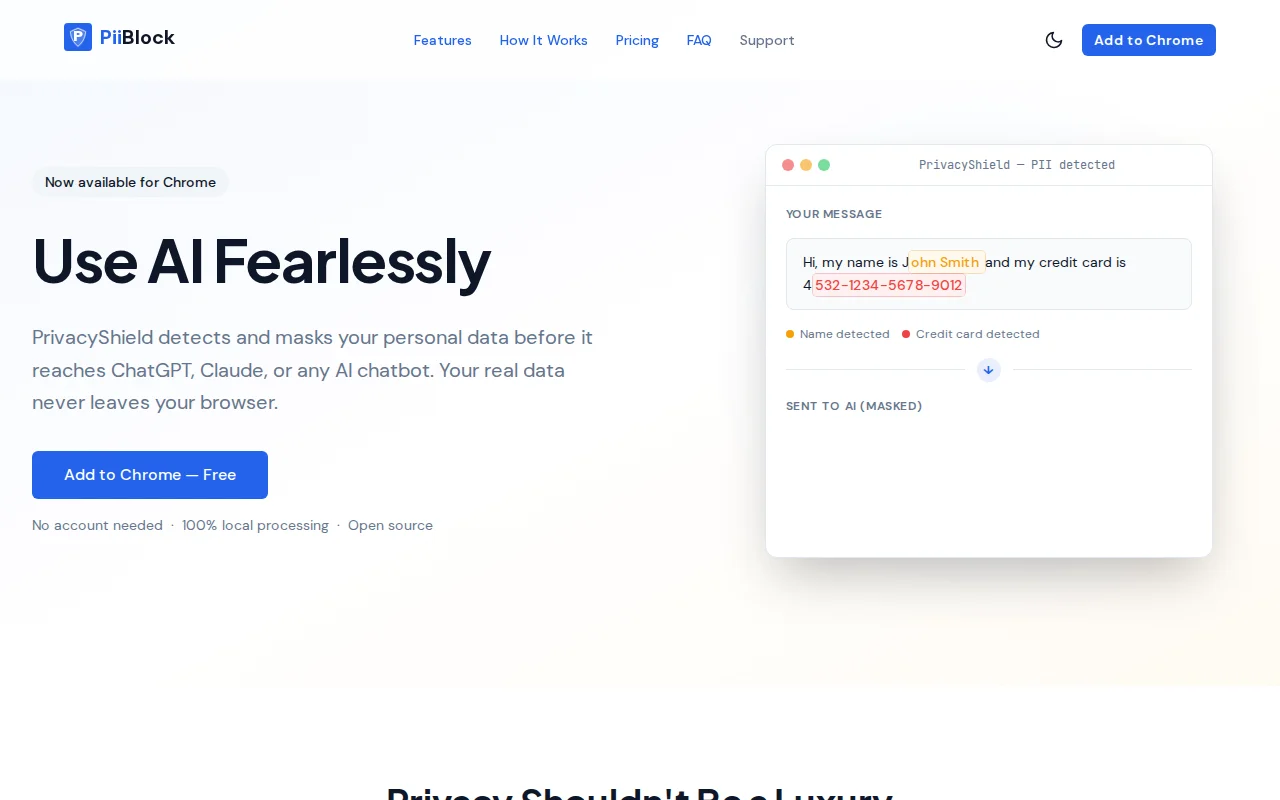
PrivacyShield detects 15+ types of PII as you type, masks them with placeholders like [PERSON_A] before sending, then unmasks the AI's response so you see your real data back.
Everything runs locally. No servers, no data collection. AES-256 encrypted mappings that auto-expire.
Chrome Web Store: https://chromewebstore.google.com/detail/privacyshield/nklgh...
This is v0.1 — would love feedback. Bugs: [email protected] or GitHub issues.
Local PII masking for ChatGPT—free and zero-server, but detection accuracy unverified.
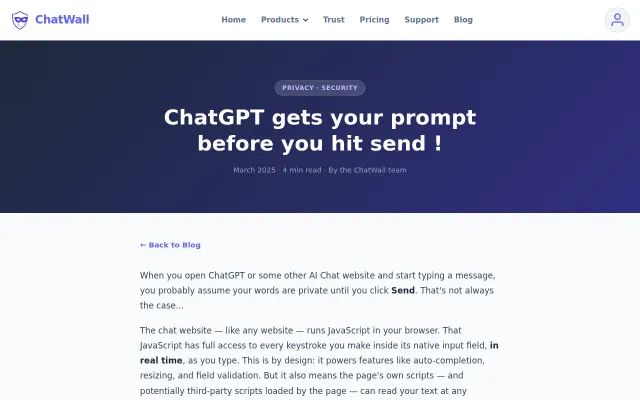
Isolated browser extension overlay intercepts keystrokes ChatGPT can't read—but users still trust OpenAI with unmasked context.
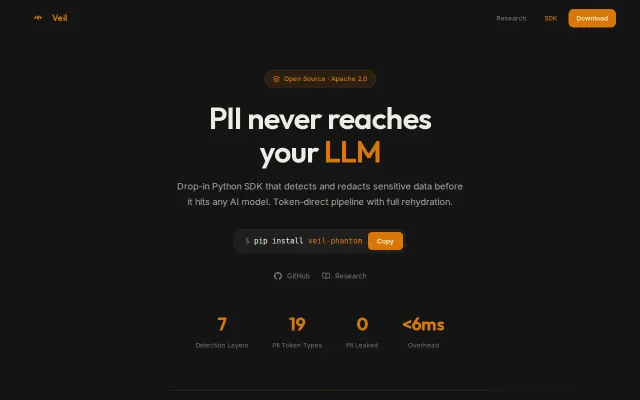
Phonetic embeddings catch ASR-mangled names across cultures before LLM sees them.
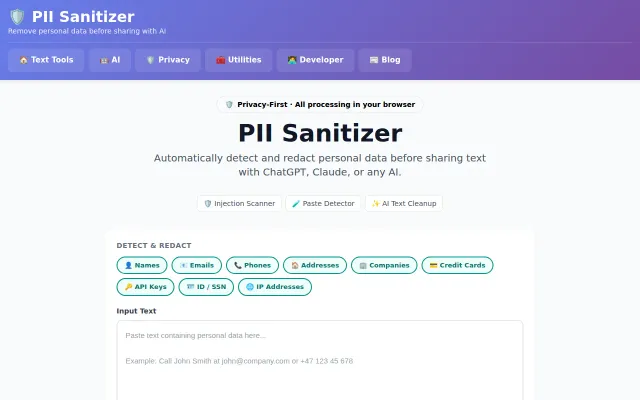
Runs fully in the browser for regex-based redaction of structured PII (emails, cards, phones, API keys, IPs, SSNs) and offers an optional Claude step to catch names/addresses patterns miss. Clear placeholders like [NAME] and a privacy toggle make it practical for quick, manual workflows, and I like the Norwegian NIN/phone support. It's useful and thoughtfully privacy-first but not novel — the real win would be integrations (batch processing, editor/extension) or independent accuracy metrics for the AI step.
Regex-based PII masking for ChatGPT leaks, but detection is intentionally basic.
OpenAI-compatible proxy with PII masking and token budgets—but LiteLLM, Helicone already do this.