Productivity●●●Banger
ZoneMapzone World Clock
Pixel-perfect day/night terminator plus zero-latency map scrub without React renders.
WizardryEye CandyCozy
zzjoey
203mo ago
3D memory palace from PDFs sounds cool, but AI study apps and Anki-like tools already saturate ed-tech.
Students, educators, test prep market, corporate training teams
Quizlet · Anki · Khan Academy
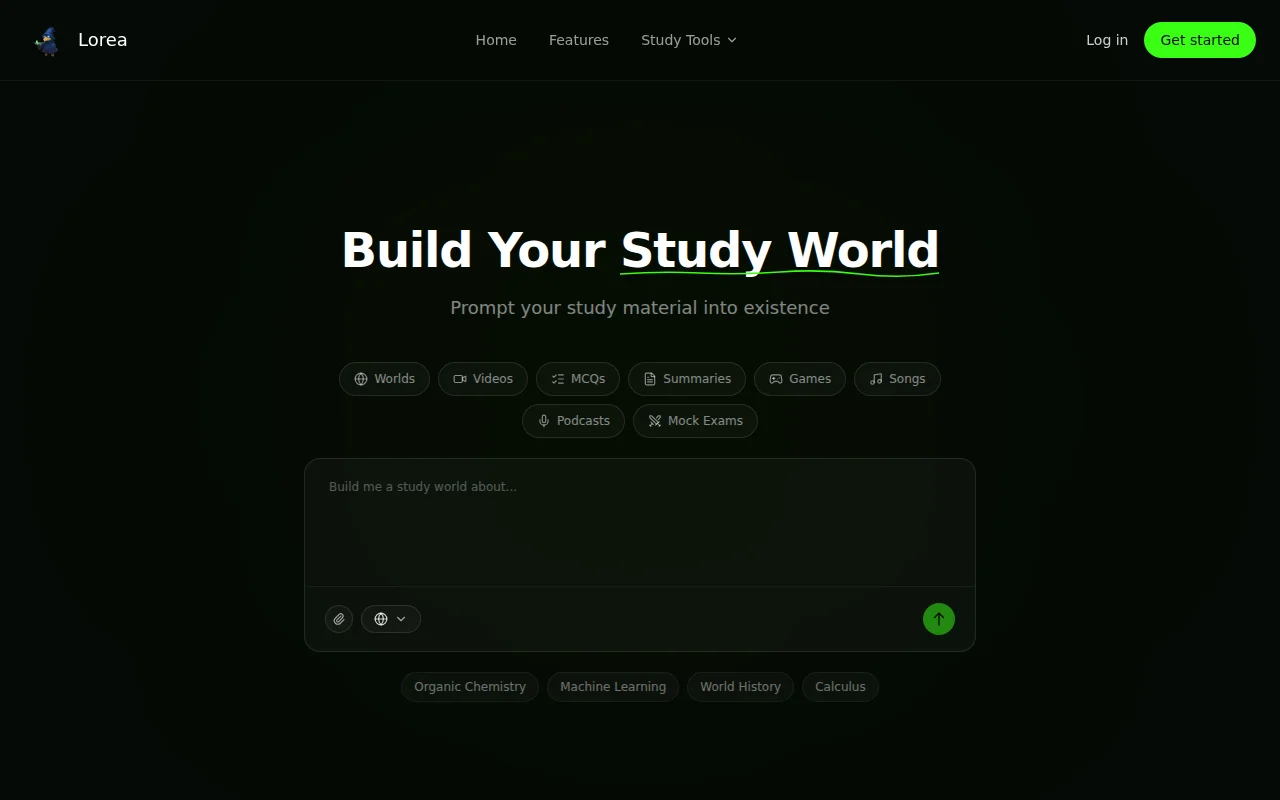
I’m the founder of Lorea (https://lorea.app). It’s a platform that takes dry, heavy study materials (like 50-page nursing or law PDFs) and procedurally generates a playable 3D world out of the concepts.
The Problem: I realized that traditional studying (staring at text or standard 2D flashcards) completely ignores how human spatial memory works. The "Method of Loci" (memory palace) is proven to be incredibly effective, but building one manually for every textbook chapter is impossibly time-consuming.
How I built it: I recently sold my V1 of this concept to fully fund this 3D iteration. Here is what is happening under the hood:
Ingestion & Parsing: When a user uploads a PDF, we chunk the text and use an LLM pipeline to extract core entities, hierarchical relationships, and key definitions.
Procedural Generation: Those relationships are mapped into a node-based graph. We use React Three Fiber / Three.js on the frontend to procedurally render 3D islands based on that graph structure. The "parent" concepts become central hubs, and "child" concepts branch out as connected floating islands.
Audio/TTS: I recently switched from ElevenLabs to the OpenAI TTS API to generate the audio voiceovers for the worlds. It cut my text-to-speech costs by roughly 10x while keeping latency low enough for real-time interaction.
Backend: Next.js and Supabase (handling the auth, Postgres database, and Edge Functions for the generation pipeline).
The Hardest Part: The biggest challenge so far has been dialing in the procedural generation so the 3D worlds don't look like a chaotic mess when a user uploads a densely packed textbook. We had to implement strict clamping on how many "child nodes" can spawn from a single concept before it forces a new level of depth.
A quick heads-up on the landing page: The copy and FAQs on the site are heavily optimized for Gen-Z students and TikTok SEO (which is my actual target market for keeping the server lights on!). You will see things like "Subway Surfers mode" and heavy SEO keywords. But I wanted to share it here specifically to get your feedback on the procedural 3D generation and the Three.js/Next.js architecture underneath all that marketing fluff.
There is a free tier if you want to drop a PDF in and see what it builds. I would love to know what you think of the rendering performance, or if anyone has experience optimizing large-scale procedural Three.js graphs in the browser.
Pixel-perfect day/night terminator plus zero-latency map scrub without React renders.
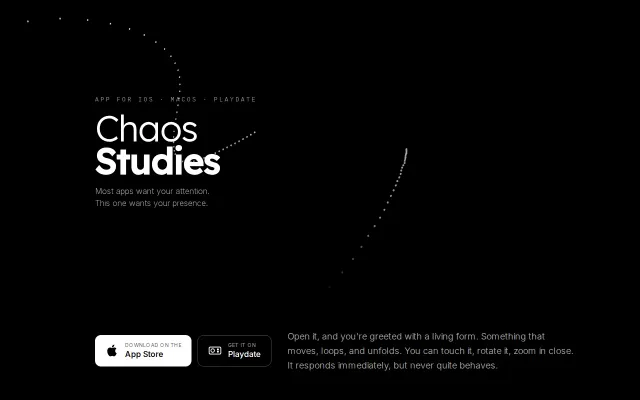
Strange attractors + spatial audio that rotates with the form you're touching.
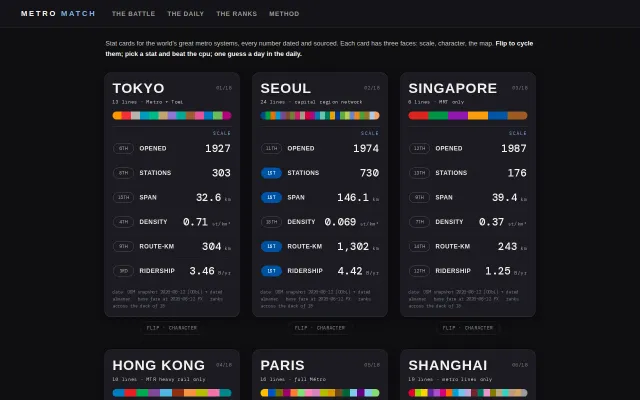
Playable stat cards for 18 metro systems with dated OSM-sourced data.
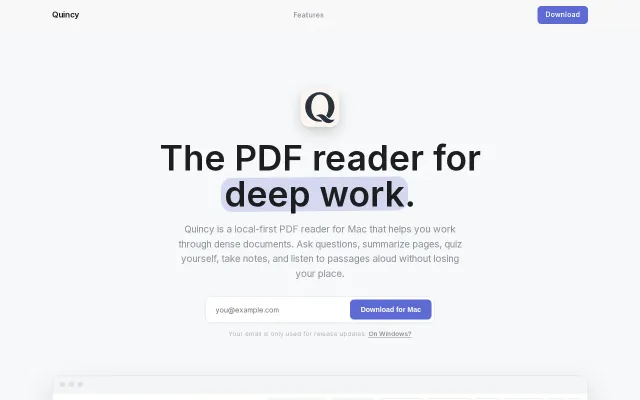
Local-first PDF reader with page-grounded AI when ChatPDF sends everything to the cloud.
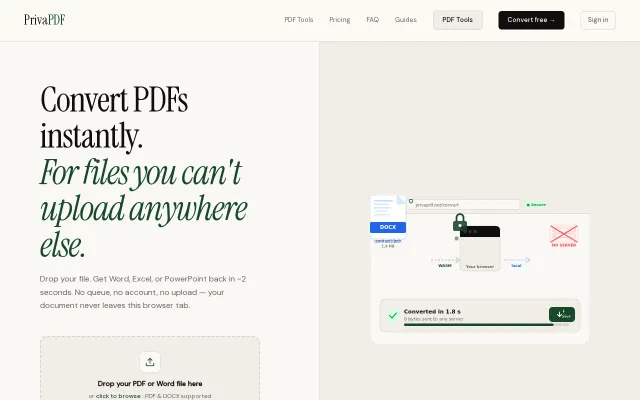
Client-side WASM conversion is nice, but CyberChef and pdf2go already do this.
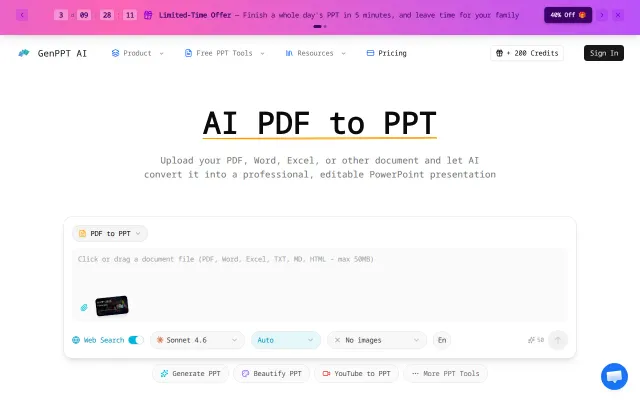
PDF-to-PPT converter, but remove.bg, Canva, and dozen AI alternatives already exist.