Infrastructure●●Solid
Nvidia-converge – Plan/apply/rollback for Nvidia drivers on Linux
Treats NVIDIA driver hell as a declarative state problem with built-in rollbacks.
Solve My ProblemShip It
zeroecco
301mo ago
AI-generated custom audio orchestration for known hardware configurations. Claude Code plugin.
AI generates zero-overhead audio paths by skipping generalized abstractions for your exact hardware.
Audio engineers, embedded systems developers, hardware hackers
Treats NVIDIA driver hell as a declarative state problem with built-in rollbacks.
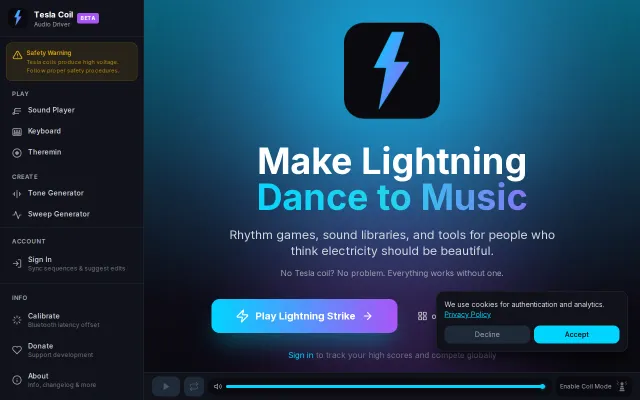
Turns your phone or laptop into a Tesla-coil music driver with precise square-wave outputs, Bluetooth/3.5mm connectivity and a one-time latency calibration to line up interrupters. The site bundles playful tooling — a rhythm game, theremin, sequencer and a 100+ sound library — and even lets you try everything without owning a coil, which is both a smart onboarding move and a real technical trick. It's clearly built for showmanship and tinkering, though you'll still need proper interrupter hardware and safety sense to go live.
Free SoundSource alternative that finally makes HDMI volume keys work again.
First public documentation of Canon's CHMP protocol, reverse-engineered from iPhone app captures.
Reverse-engineered USB protocol in 24hrs; $30 BLE sniffer now works on Linux.
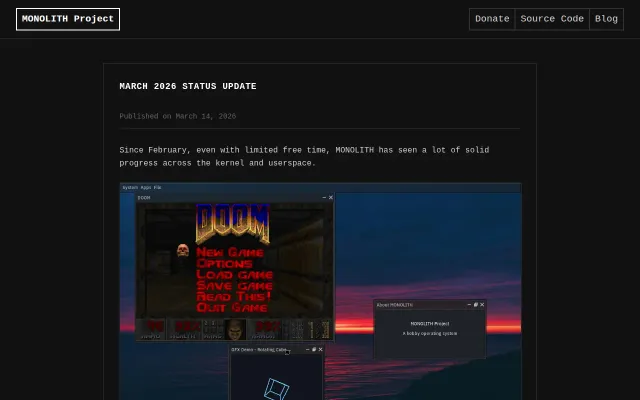
Doom runs, but hobby OSes are a well-trodden path since TempleOS.