Security●●Solid
We wrote forensic intelligence reports on 20 open-source codebases
Forensic reports reveal why codebases break, not just what is broken.
Dark HorseRabbit Hole
DhruvKumarJha
2015d ago
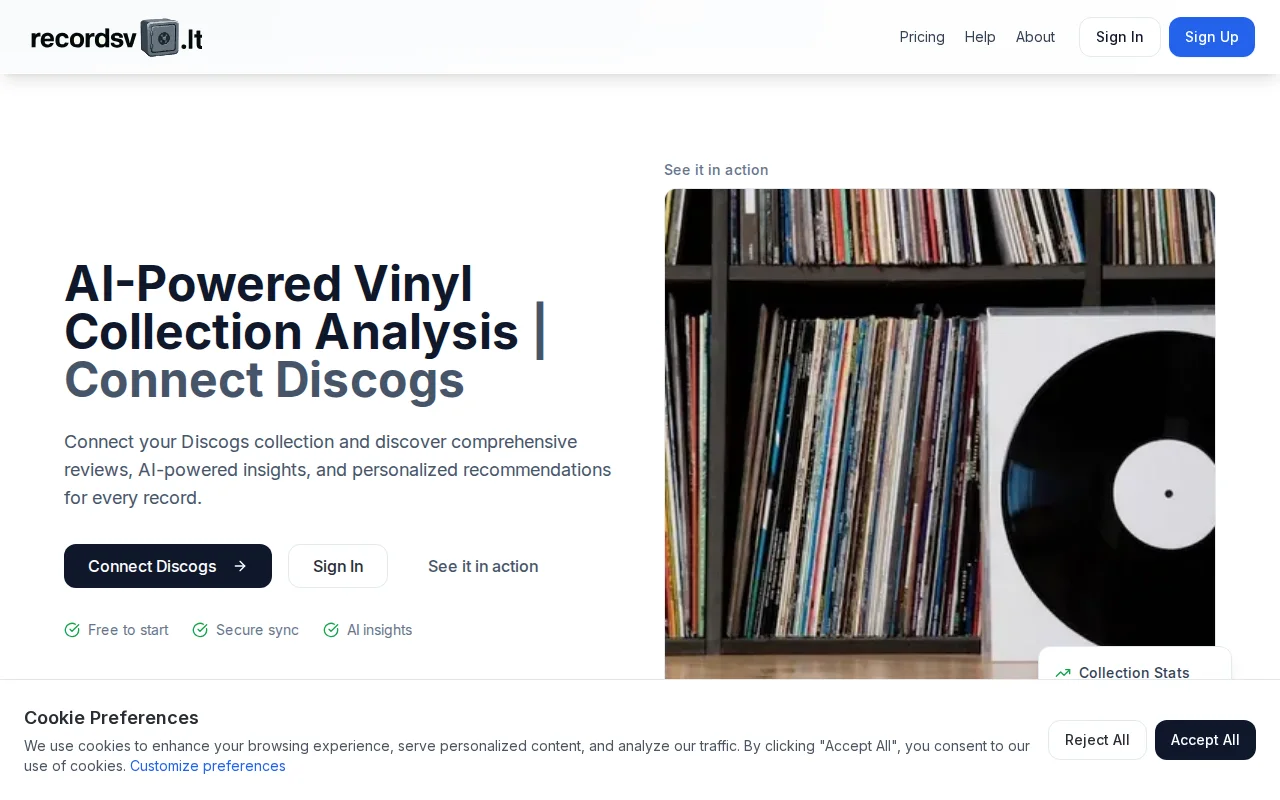
Discogs AI analysis tool—polished but 'AI insights' on music metadata is crowded now.
Vinyl collectors, music enthusiasts, Discogs users
Discogs built-in tools · Music Brainz · ChatGPT + manual curation
Recordsv connects to Discogs and analyzes your collection using the full release metadata — not just album titles but pressings, contributors, labels, and release history. The idea is to surface patterns that are hard to see manually.
Some examples: * Pressing insights – compares different pressings of the same album and highlights when the version you own might not be the best sounding or most collectible one. * Contributor networks – maps relationships between artists, producers, engineers, and labels across your collection. You often discover unexpected connections between records. * Collection analytics – shows patterns in decades, genres, labels, and recording locations across the collection. * Contextual reviews – aggregates reviews and commentary about specific releases rather than just the album.
Tech stack: - Next.js - Discogs API - vector search for similarity across releases - AI summarization for reviews and metadata
It’s optimized for large collections (tested with ~2000 records so far).
Curious what other collectors or Discogs users think. Would also love feedback on what kinds of analysis would actually be useful.
Best, tom
Forensic reports reveal why codebases break, not just what is broken.
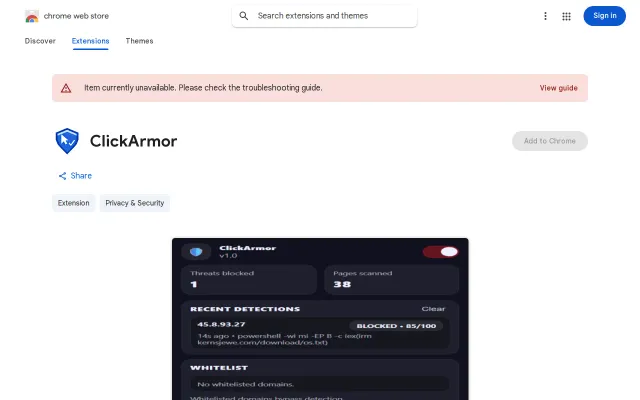
Detects clipboard hijacks locally, but ClickFix awareness + OS vigilance covers most users.
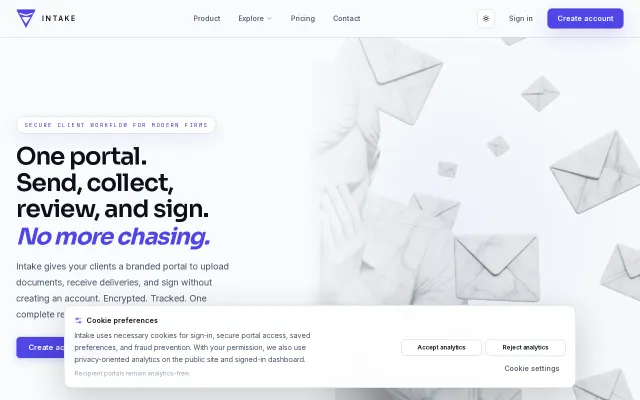
Browser-side encryption before upload beats DocuSign's server-side storage model.
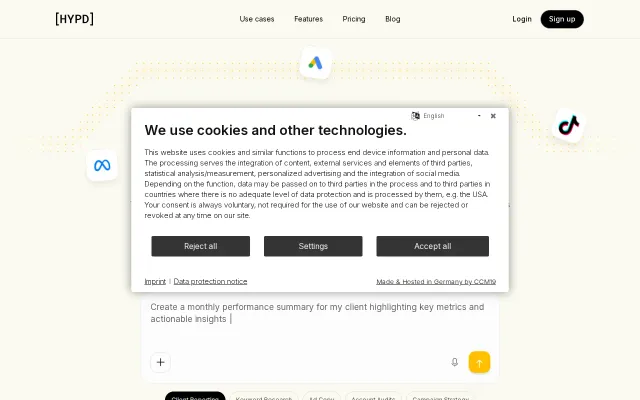
Chat-based Google Ads auditor that finds wasted spend better than manual dashboard clicking.
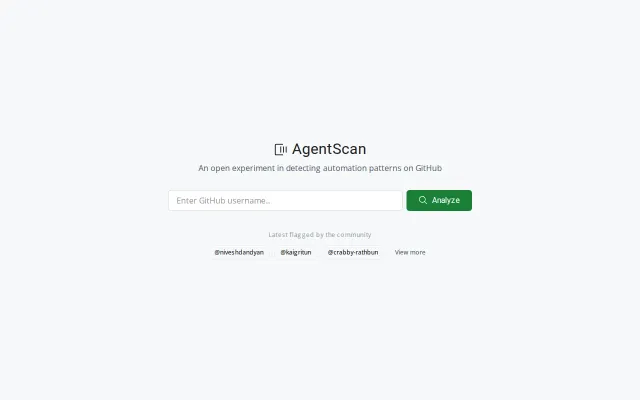
Community-flagged AI accounts on GitHub with only 4 entries so far.
Catches silent agent failures that human logs miss, but needs working demo beyond landing page.