Social●Mid

HugNote – send someone a tiny surprise message
Pretty animated cards for special moments, but market is crowded with similar no-code card builders.
Eye CandyCrowd Pleaser
krupa_049
203mo ago
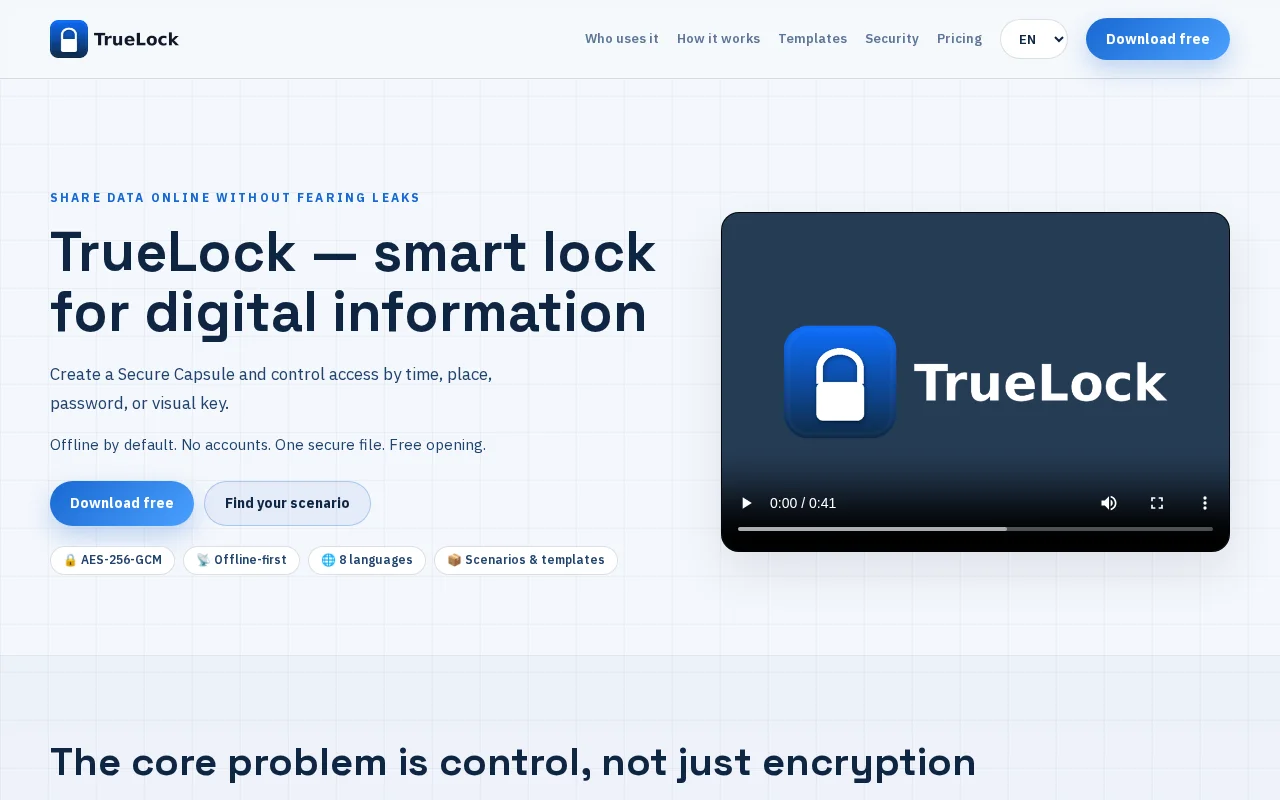
Threat model is clear, but policy enforcement on compromised endpoints is the honest boundary.
Anyone sharing sensitive information via untrusted channels (traders, retail shops, enterprises needing leak control).
Tresorit · Sync.com · Signal disappearing messages
Instead of sending plaintext in chat, you wrap a message (and attachments) into a single encrypted capsule file (.cfcaps) and share it via any channel (Telegram/email/drive/USB). The recipient opens the file in the app.
What’s different vs “just encrypt a file” is that the unlock policy travels with the ciphertext:
time window
geo radius
password (Argon2id)
visual key (optional)
AND/OR logic across rules
Current clients: Android + Windows. Crypto: AEAD (AES-GCM / ChaCha20-Poly1305).
Threat-model boundary: policy checks are local; a fully compromised endpoint can bypass checks or exfiltrate plaintext after legitimate open.
I’d value technical feedback on:
threat-model clarity
strongest real use case
what trust artifact you’d want next (format spec, test vectors, reproducible builds)
Pretty animated cards for special moments, but market is crowded with similar no-code card builders.
Printable QR + human-readable fallback for offline recovery, no cloud dependency.
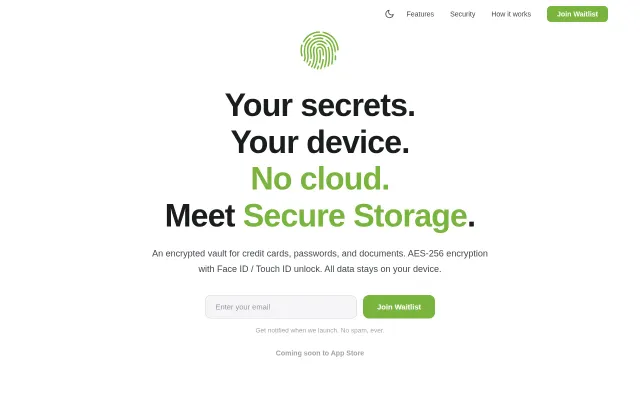
Tidy, privacy-first vault that keeps everything on-device and uses Argon2id + AES-256 with per-field encryption — not just marketing buzz: the copy lists concrete choices like 64 MB memory hardness and biometric key storage in the secure enclave. Features such as camera card scanning, per-vault isolation, and on-demand file decryption are useful for single-device users, but the offline-only stance also limits appeal compared with cross-device managers like 1Password or Bitwarden.
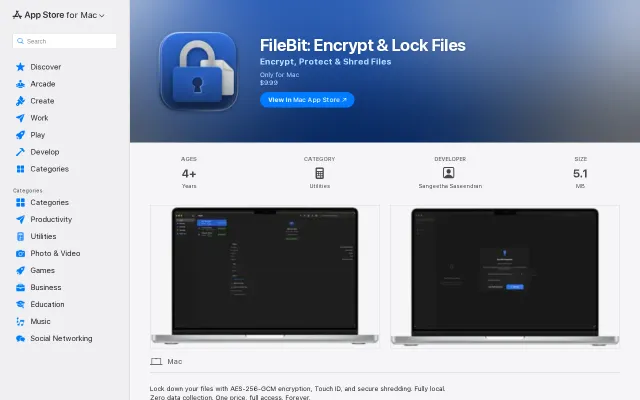
Solid local encryption but FileVault and Cryptomator already solve this.
Encrypts files one-by-one from a single runnable JAR, which is nice for cross-platform use and managing many small vaults without re-archiving. The README clearly explains usage, but there’s no visible discussion of algorithms, key management, integrity guarantees, or threat model — that omission keeps this from standing out in a space already served by mature tools like age/gocryptfs.
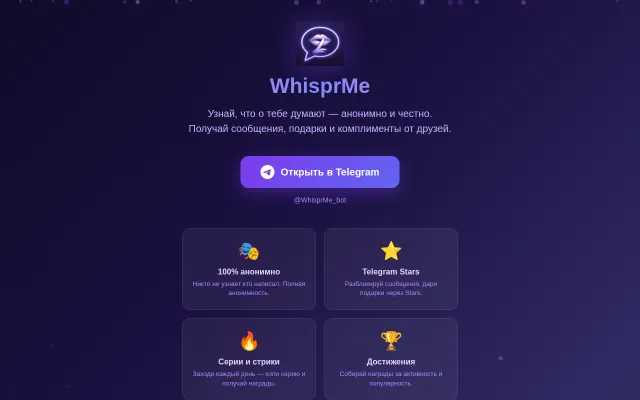
Anonymous feedback app leveraging Telegram's native payments, but Ask.fm and Sarahah already solved this.