AI/ML●●Solid
Chatforge – drag two local LLM conversations together to merge context
Drag-to-merge conversations treats chat history as composable objects.
Big BrainNiche Gem
cyg2
301mo ago
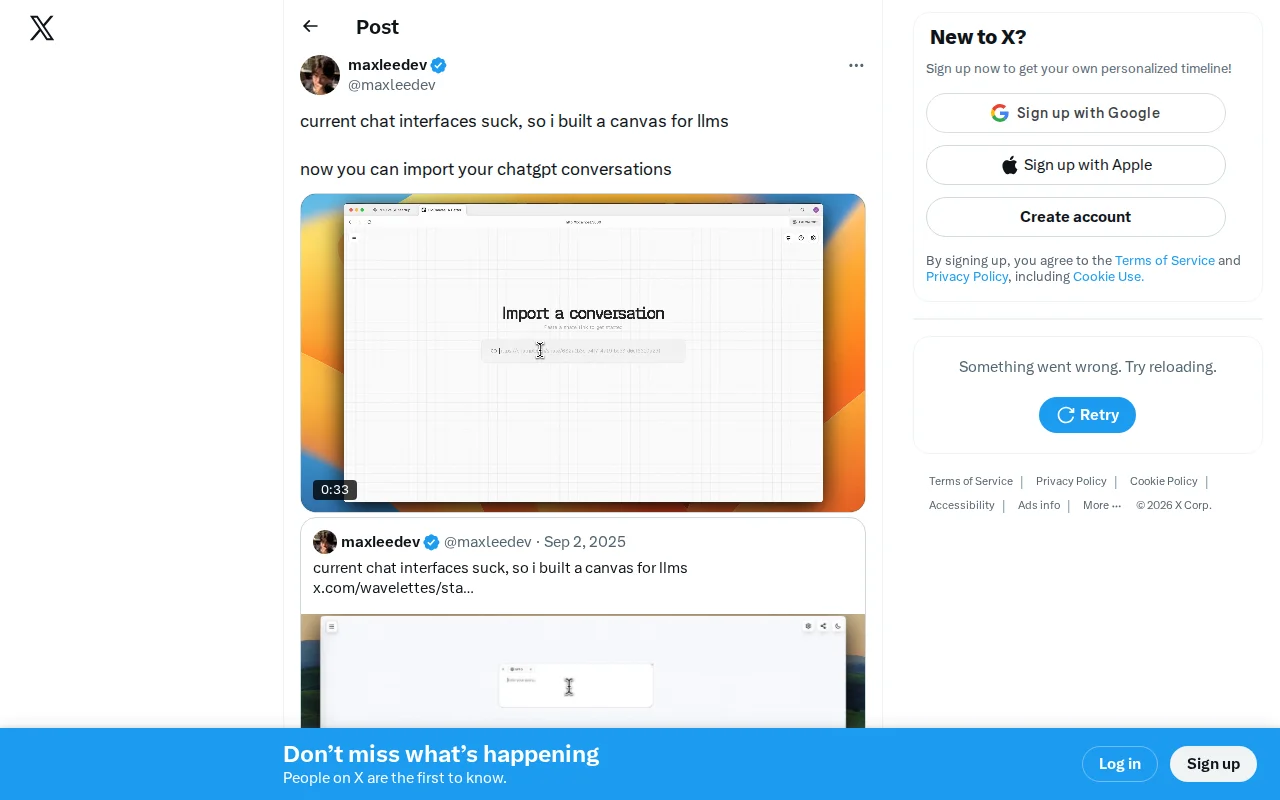
Multi-model canvas is clever, but 300+ model support and branching don't solve core UX friction vs. Continue, Claude projects.
Power users of LLMs, researchers comparing models, developers wanting fine-grained conversation control.
Continue.dev · Claude Projects · ChatGPT Canvas
i hated current chat interfaces for a long time:
1. Context switching hell — the moment you want to explore a different angle you either muddy the current thread or start over and lose everything you built up.
2. Memory degradation — LLMs get worse as conversations grow. Some queries need no memory, some need temporary context, some need everything. Branching solves this cleanly.
3. Parallel execution — why wait for one response when you can run multiple simultaneously? Every chat app makes you wait. That's absurd.
4. Model lock-in — OpenAI won't show you Claude's answer. Anthropic won't show you GPT's. LM Canvas connects to 300+ models and has no reason to hide any of them from you.
so i built a spatial canvas for working with LLMs — branch conversations, run prompts in parallel, compare models side by side. you can also import your ChatGPT conversations and they convert into branchable nodes on the canvas.
please give me the most spicy / raw feedback you have to offer. i’ll be in the comments for all day / night :)
Drag-to-merge conversations treats chat history as composable objects.
Train a working LLM in 5 minutes on free Colab with a fish personality.
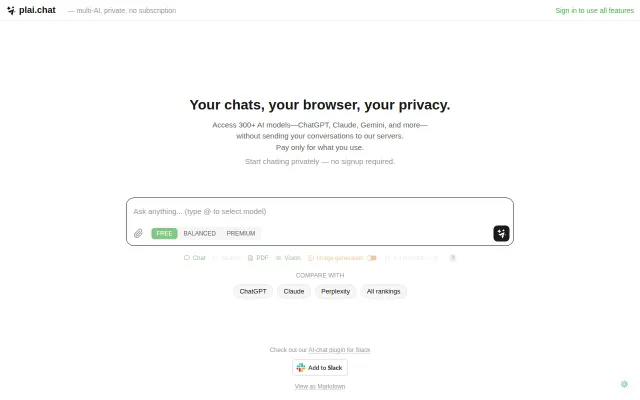
OpenRouter aggregator with verifiable privacy—localStorage-only architecture, but competitors already exist.
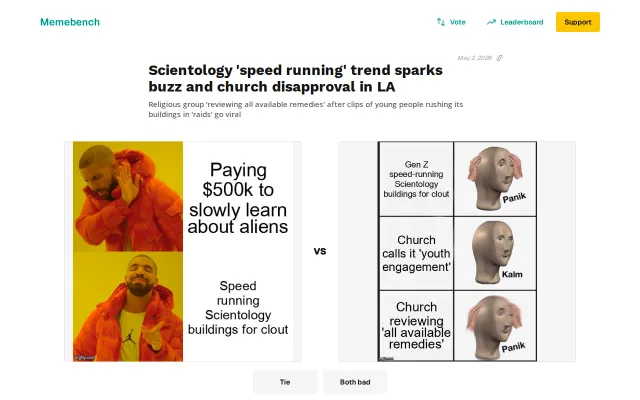
Automated meme generation is fun, but lacks depth beyond the novelty.
Smart LLM routing cuts costs, but competing against established OpenRouter and vLLM ecosystems.
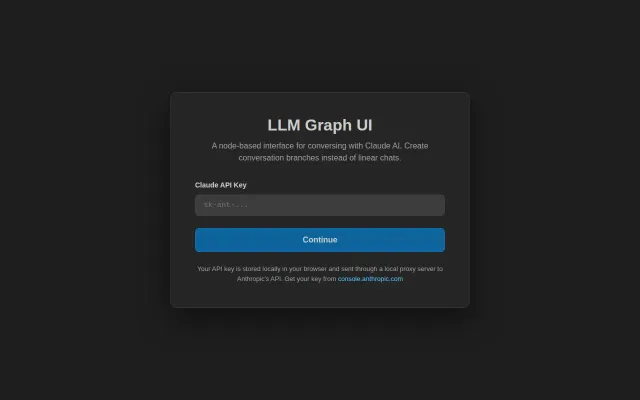
Drag-to-branch is the clear selling point: you can fork any message and pursue alternate prompts while that branch only inherits direct ancestors. The BYOK approach (API key stored in your browser + local Express proxy) keeps it lightweight and safe for a demo, but it's clearly a concept build tied to Claude rather than a multi-model, production-ready tool.