AI/ML●Mid
An LLM translator whose source is a single prompt
The actual product is a prompt—functional wrapper but nothing novel.
Cozy
Cassandra99
509d ago
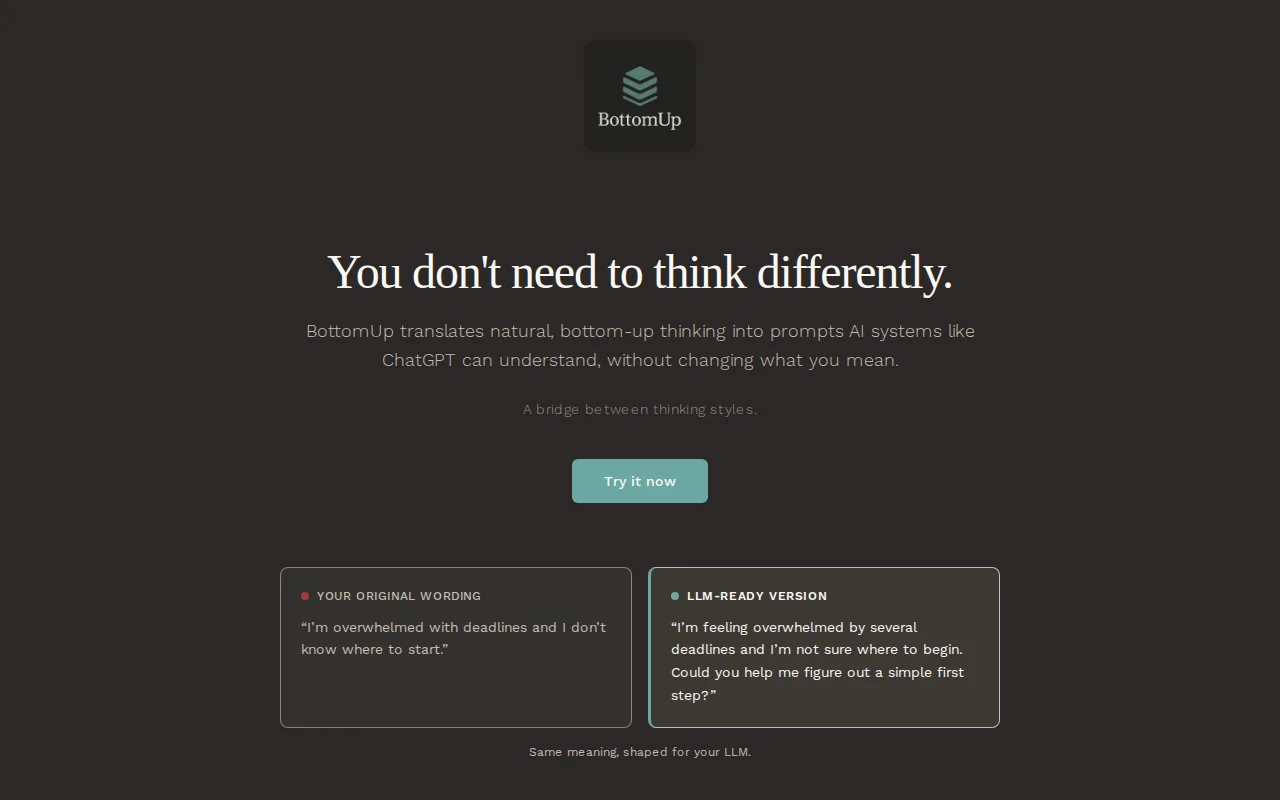
Bridges neurodivergent thinking to LLM prompts; niche but genuinely useful for its audience.
Neurodivergent individuals, ADHD/autistic users, anyone struggling with prompt formulation
Prompt engineering templates (e.g., Anthropic's prompt best practices guides) · WriterDAO's structured writing assistants
It's a free, no-login tool that walks you through a structured process to clarify your thinking before you prompt an AI. Instead of starting with a blank box, you answer a few focused questions and it builds the prompt from the bottom up — hence the name.
It's built especially for neurodivergent people, but honestly anyone who gets frustrated staring at a blank prompt field might find it useful.
No account needed, runs in the browser: https://www.bottomuptool.com
Would love feedback — especially from anyone who's struggled with the "I know what I want but can't explain it to the AI" problem.
The actual product is a prompt—functional wrapper but nothing novel.
Published research with DOI beats yet another prompt engineering wrapper.
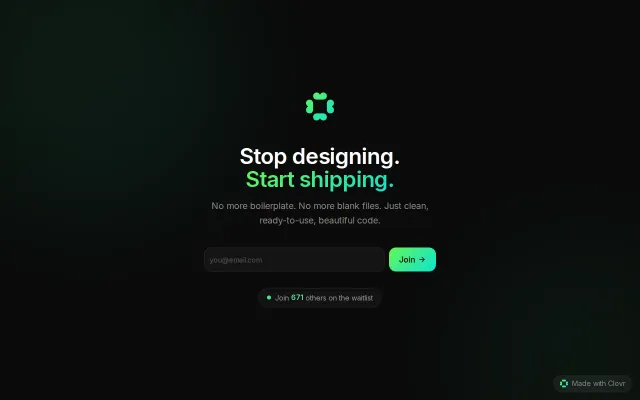
Clovr trades mockup screenshots for an actual file scaffold: it claims to output a Next.js repo with a consistent design system, routing, spacing scale and readable components you could commit. That focus on structure over pixels is the right call, but the space is crowded—I'd need to see TypeScript/test support, extensibility for existing repos, and examples of nontrivial apps before I'd swap it in for templates plus Copilot.
Click-to-select DOM elements and paste precise CSS diffs into Cursor.
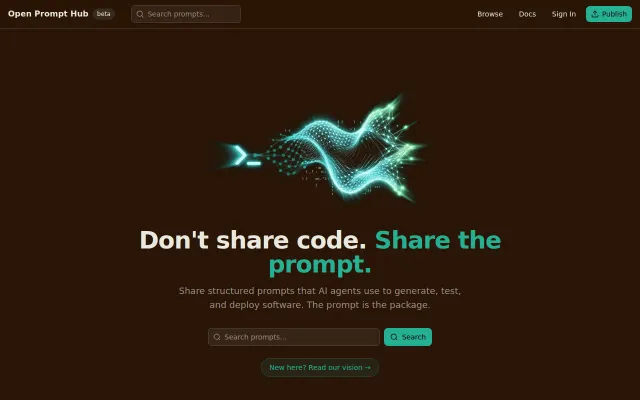
GitHub for prompts, but prompt registries already exist and CLI features aren't live yet.
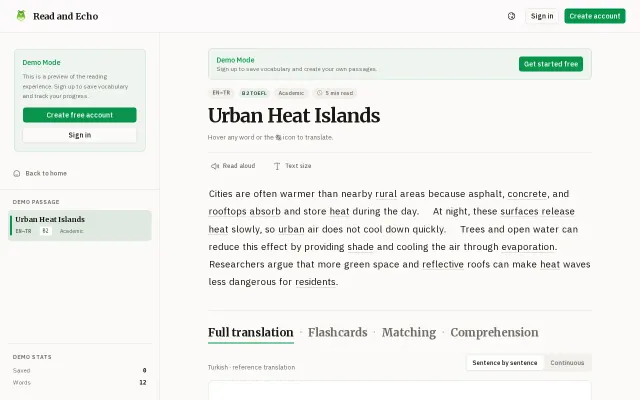
Clean language learning app but Readlang and LingQ already do this.