AI/ML●●Solid
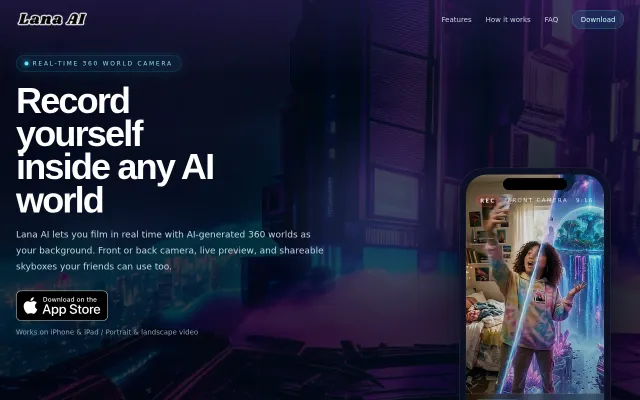
I made an app to create 360 camera backgrounds from prompt
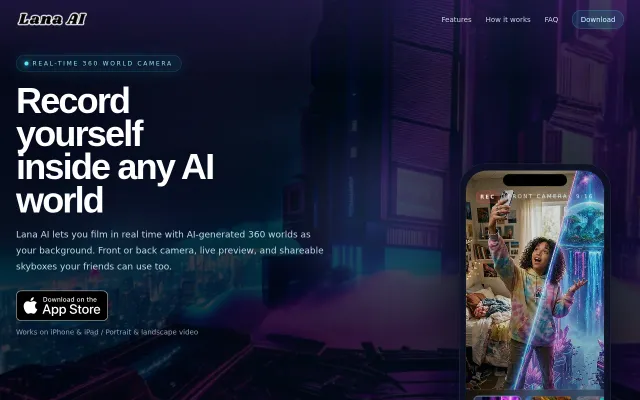
360° AI skyboxes with gyroscope parallax beat static green screen replacements.
SlickEye CandyCrowd Pleaser
zilvinassebeika
202mo ago
iOS 360° panorama video player with Metal rendering support (formerly HTY360Player)
Metal sphere rendering with GPU color conversion, but panorama players already exist.
iOS developers building immersive video experiences or VR/AR applications.
Panono SDK · THEOplayer (360 video module) · AVPlayer + custom Metal rendering
It uses Metal for rendering with YUV-to-RGB color conversion done on the GPU via shaders, triple-buffered uniforms to avoid CPU-GPU sync hazards, and pure Swift sphere geometry generation. Supports both SwiftUI and UIKit — in SwiftUI it's one line: FisheyeSwiftUIView(videoURL: url).
Happy to discuss the rendering pipeline or API design.
360° AI skyboxes with gyroscope parallax beat static green screen replacements.
3DGS training in 90 seconds on M4 via fused Metal kernels, no PyTorch overhead—unprecedented Apple Silicon story.
The standout is the real-time feedback loop: Pencil input feeds sub-second inference over WebSockets so your composition evolves as you draw, not after the fact. UX tools like influence sliders, pause, seed shuffle and one-tap enhancers (2x upscaling, background removal) give artists control instead of handing everything to the model — clever engineering that still leaves open questions about on-device vs cloud inference and latency/cost tradeoffs.
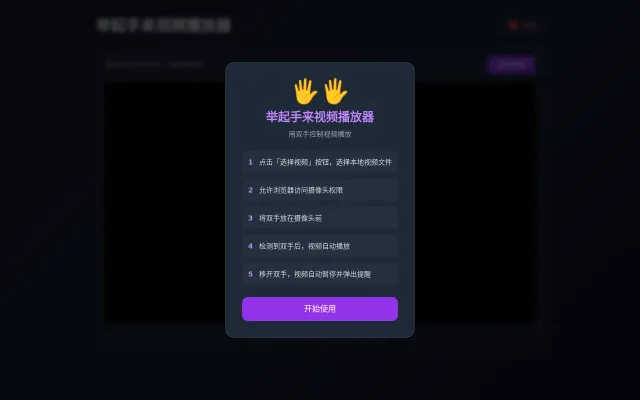
Cute gimmick—pause video by moving hands—but no compelling use case beyond novelty.
Real-time 360 AI backgrounds, but CapCut and others already do this.
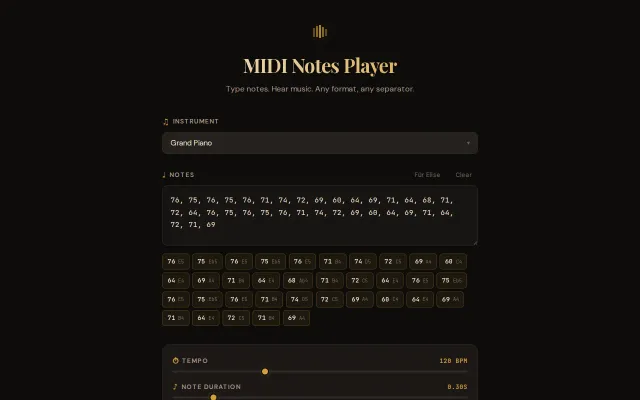
Solfège parsing with French accidentals is unique, but browser MIDI players already exist.