Security●●Solid
MCP-identity – Per-request cryptographic attestation for MCP servers
Per-request cryptographic signing fixes MCP's OAuth non-repudiation blind spot.
Big BrainShip It
mustafabagdatli
402mo ago
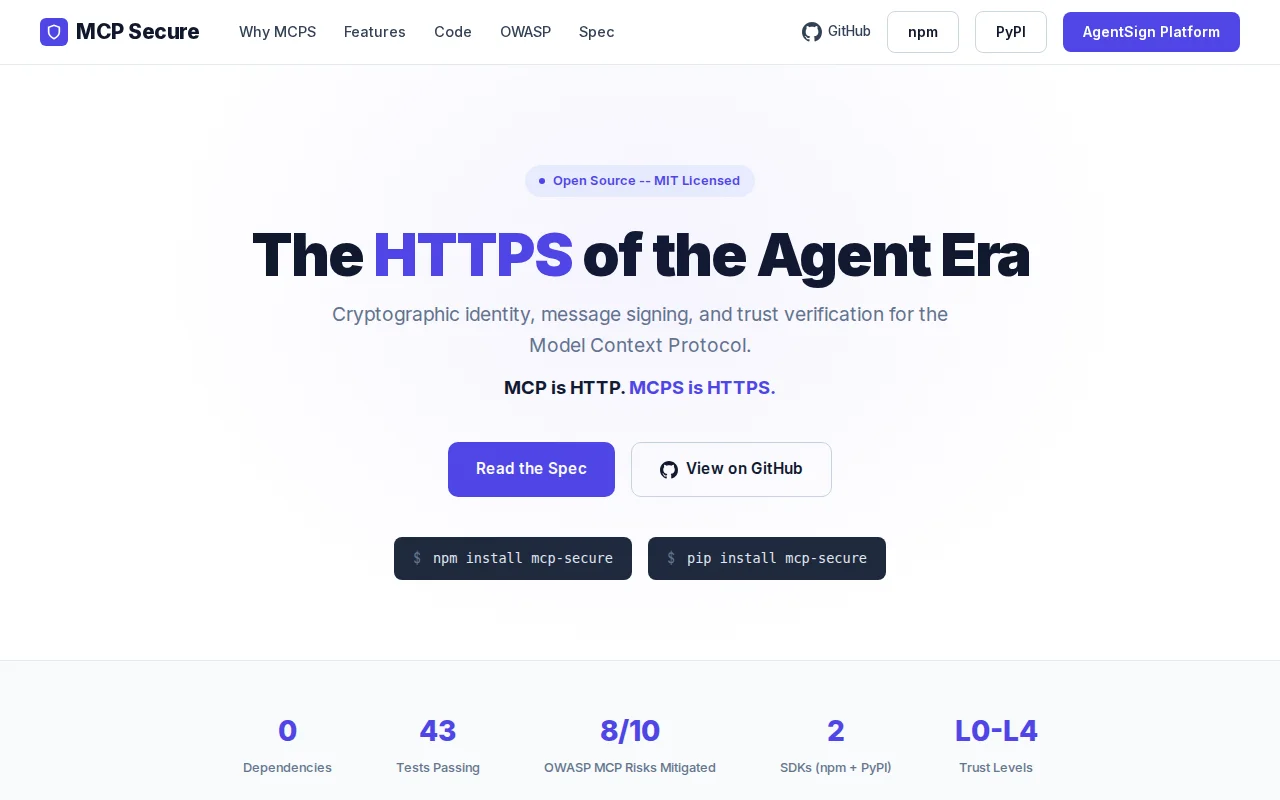
TLS for MCP agents with ECDSA passports and L0-L4 trust levels, zero dependencies.
AI agent developers, MCP server operators, enterprise security teams
SPIFFE · mTLS · OpenID Connect
MCP has no identity layer. No message signing. No tool integrity. 41% of MCP servers have zero authentication (TapAuth research). CVE-2025-6514 scored CVSS 9.6.
MCPS adds a cryptographic security layer on top of MCP – like TLS for HTTP:
- Agent Passports (ECDSA P-256 signed identity) - Message signing (every JSON-RPC call wrapped in signed envelope) - Tool integrity (signed definitions prevent poisoning) - Replay protection (nonce + timestamp window) - Trust levels L0-L4 (enforce minimum per server) - Real-time revocation via Trust Authority
Mitigates 8/10 OWASP MCP risks. Zero dependencies.
npm install mcp-secure pip install mcp-secure
Background: I filed OWASP security assessments against LangChain (github.com/langchain-ai/langchain/issues/35803) and other frameworks. The LangChain community implemented AST filtering fixes based on the findings. That work led to building MCPS as the protocol-level fix.
Full spec: github.com/razashariff/mcps/blob/main/SPEC.md Scan results for all 39 agents: mcp-secure.dev/#registry
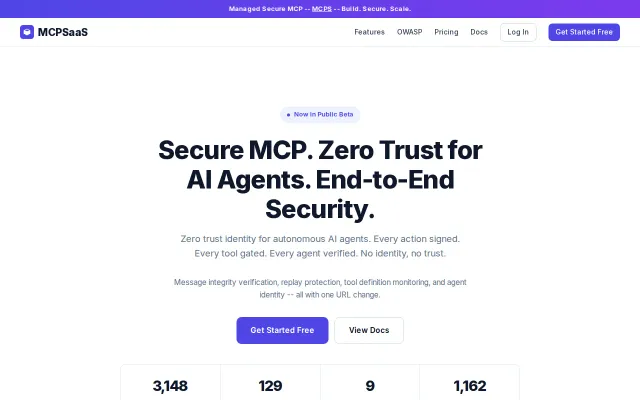
Per-request cryptographic signing fixes MCP's OAuth non-repudiation blind spot.
IETF-backed security proxy for MCP agents when the protocol has none.
Ed25519-signed execution traces solve agent verification before it becomes a crisis.
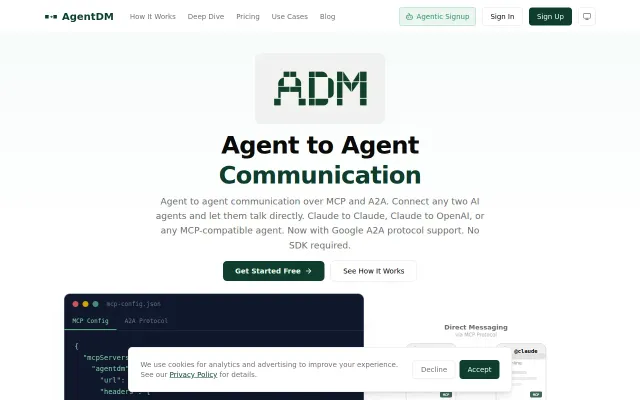
Cryptographic agent messaging protocol—clever identity model, tiny audience.
IRC for AI agents is clever, but the agent economy is still unproven.
Protocol bridge translates MCP to A2A automatically—agents talk without knowing the difference.