Gaming●Mid
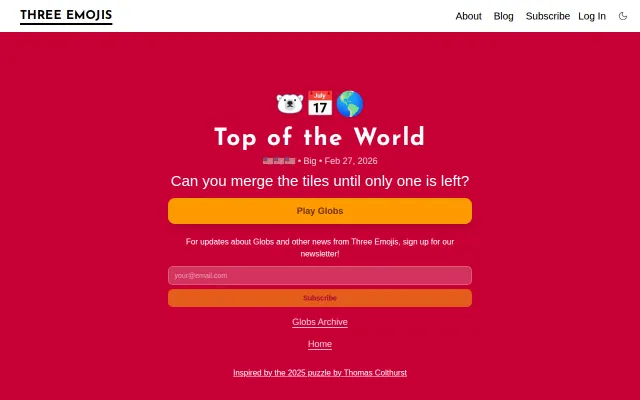
Globs – a daily puzzle about finding the hidden connections
Wordle-style daily puzzle, but merging emoji tiles instead of guessing words.
Crowd Pleaser
knuckleheads
105mo ago
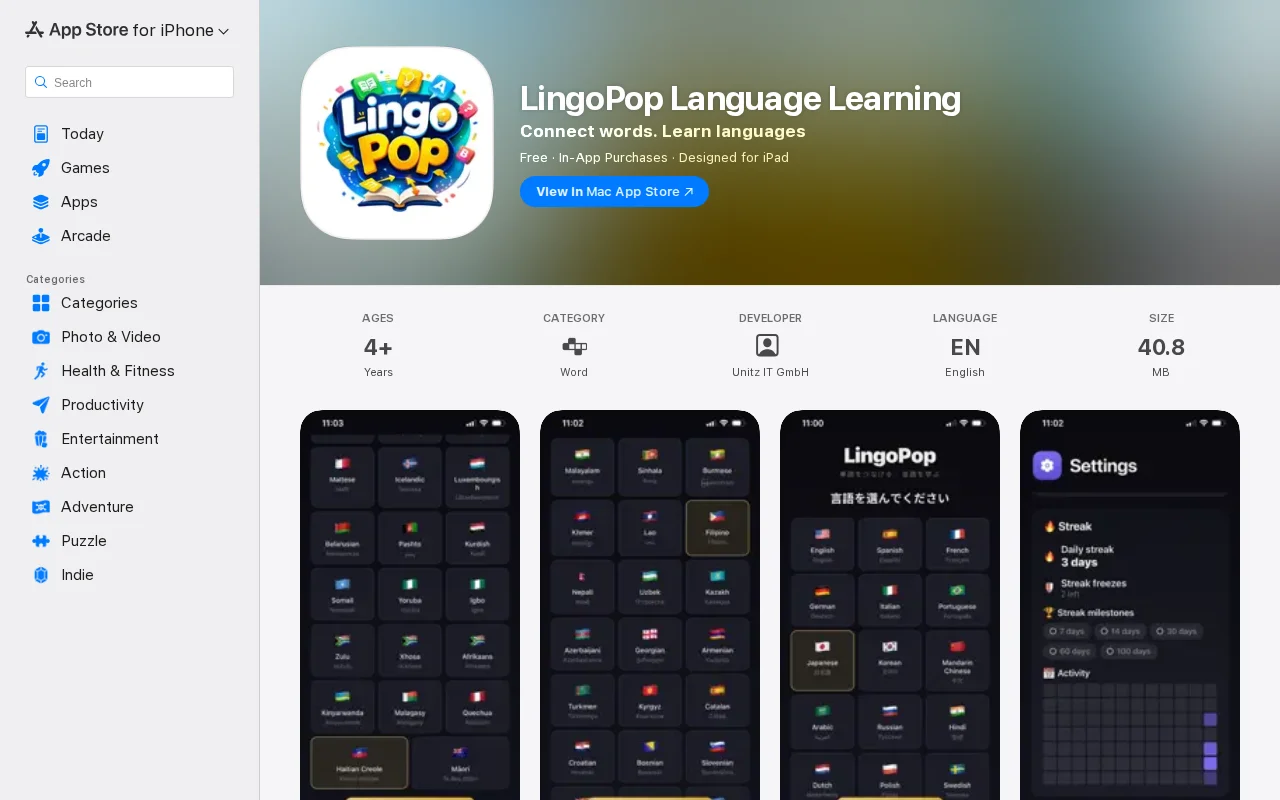
NYT Connections clone localized for 195 languages with daily puzzles.
Language learners and puzzle enthusiasts
NYT Connections · Duolingo · Lingodeer
The twist: it works in 195+ languages. You connect words that belong to the same category (slang, cooking actions, mental processes, etc.), and the categories adapt to the language you choose.
I actually built it for a personal reason too. I’m an expat living in Berlin, my native language is Vietnamese, and I wanted a more playful way to practice German and Italian. I also play the game in English, which sometimes turns out to be harder than expected
So I’m curious to ask this community:
How many languages do you speak? Now try to prove it by playing LingoPop in those languages.
I’d love to hear:
Which language felt the hardest?
Which word groups surprised you?
Does the difficulty change depending on the language?
Always happy to get feedback from fellow builders and language nerds!
Wordle-style daily puzzle, but merging emoji tiles instead of guessing words.
Another daily word connection game in a market dominated by Connections.
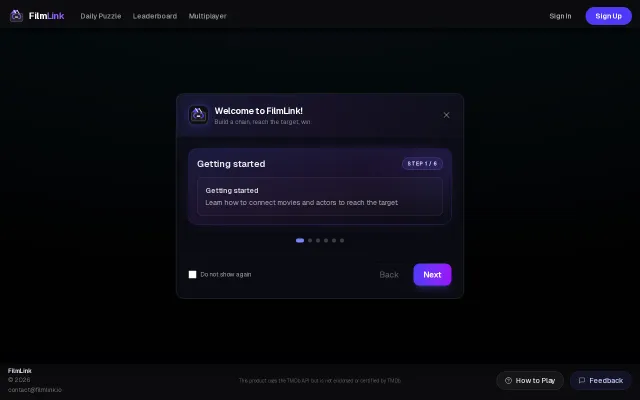
Movie wiki-chain game with daily leaderboard; fun concept but execution is early-stage puzzle game.
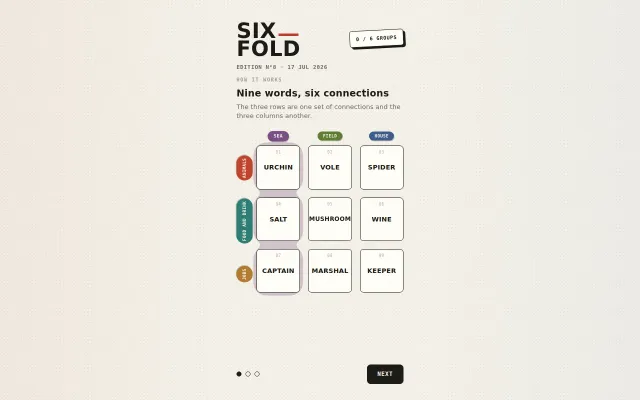
Grid-based word puzzle, but lacks the viral hook or unique twist of Connections.
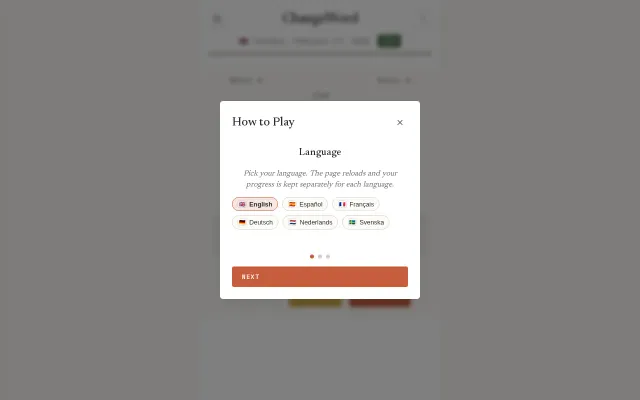
Nice, focused twist on the classic word-ladder: you can both replace and insert letters and every intermediate step must be a real word, which makes puzzles feel tighter than a random jumble. The big selling point is multilingual support — English, Spanish, French, German, Dutch and Swedish — with separate progress per language, which actually gives it genuine replay value. It’s not reinventing the genre, but the rules, daily stages and hint/score system show a clear game design sensibility.
Procedural Euler path generation guarantees every puzzle is solvable without manual design.