AI/ML●●Solid
Decypher-env, an RL Env for breaking AES encryption
AES inversion as RL optimization with reduced-round curriculum for model training.
Big BrainNiche Gem
juansebastianl
2010d ago
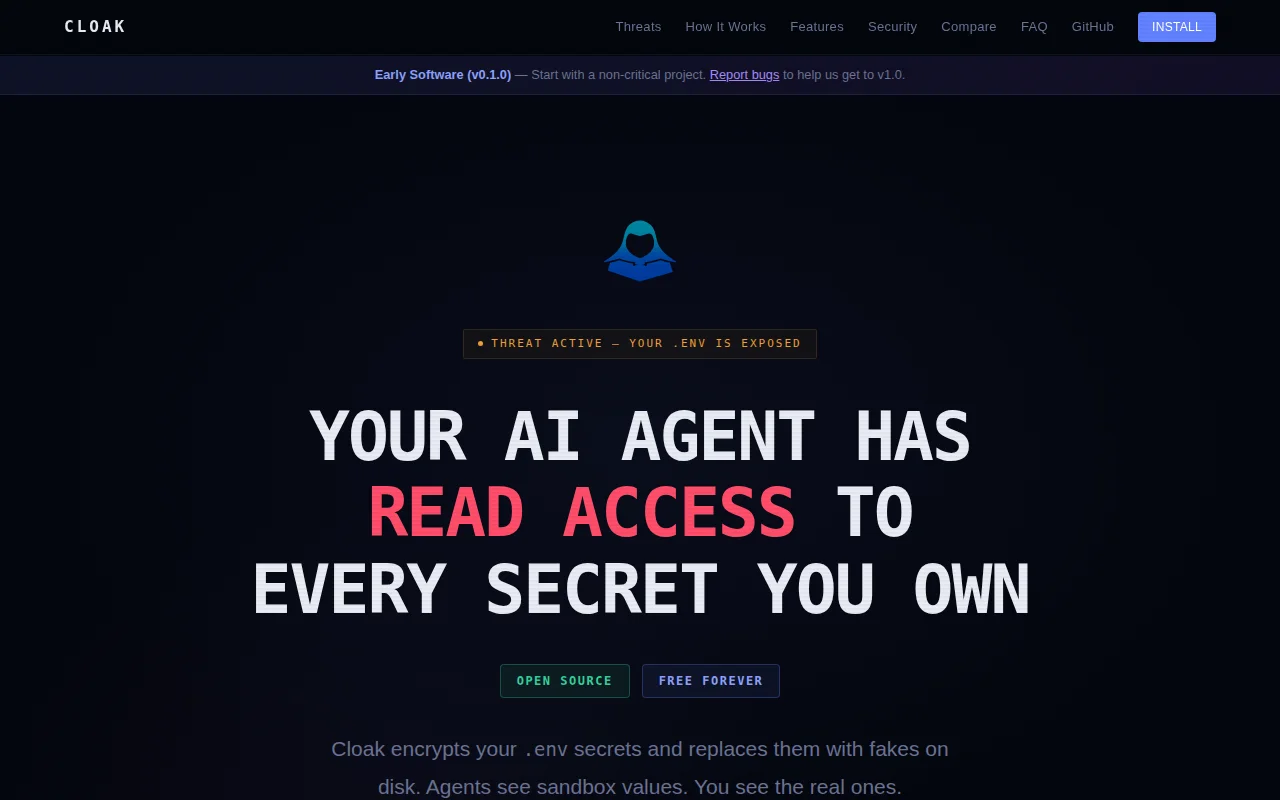
Agents read sk_test_ fakes on disk while you see real keys in-editor with Touch ID gating.
Developers using AI coding agents with filesystem access
Infisical · Doppler · HashiCorp Vault
Rust CLI + TypeScript extension sharing the same vault binary format (CLK magic bytes + version byte for future evolution). Cross-compatibility tested explicitly. Biometric auth as the agent boundary. The insight: agents can read any file but can't provide a fingerprint. Touch ID on macOS, interactive-terminal-only password on Linux/Windows. Non-TTY processes are rejected. Sandbox generation is deterministic — HMAC-SHA256 of project hash + key name produces the same fake value every time. No randomness means no diffs in git, no confusing the agent with changing values. Recovery key (CLOAK-xxxx-xxxx-xxxx-xxxx-xxxx-xxxx) shown once during init, never stored on disk. PBKDF2-SHA256 with 100k iterations protects a recovery file that can reconstruct the keychain key. Same model as disk encryption recovery keys. Zero AI inside. All detection is regex + Shannon entropy. Your secrets never touch a network. No telemetry, no cloud, no accounts.
Open source, MIT licensed. Interested in feedback on the threat model — particularly whether the biometric gate is sufficient or if there are bypass vectors I haven't considered.
AES inversion as RL optimization with reduced-round curriculum for model training.
Encrypted notepad for Windows; crowded category, well-built but no differentiation from Obsidian+plugins.
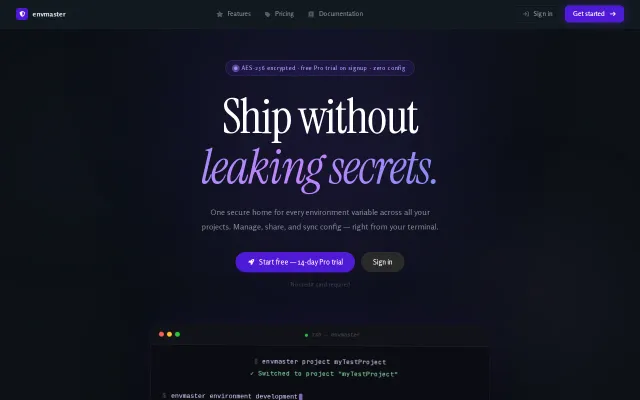
Terminal-first secret management that rivals Doppler but stays in your CLI workflow.
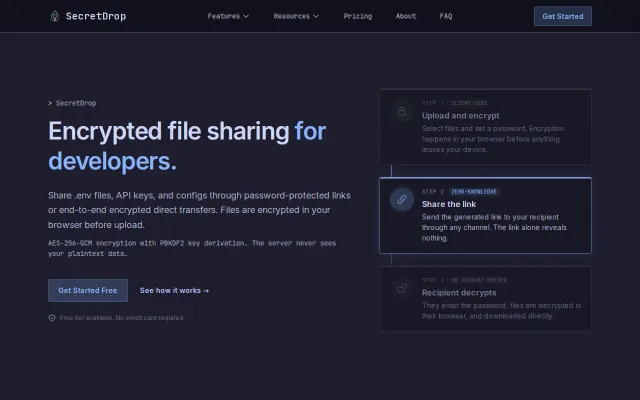
Client-side AES-256-GCM for .env sharing, but Wire, OnePassword, and Bitwarden vaults already solve this.
OpenSSL wrapper with shred prompts, but age and gpg already exist.
XMTP inbox as encrypted vault — skills never touch disk, wallet key is the password.