Productivity●Mid
Bookvoice – convert PDF books into audiobooks
PDF-to-audiobook CLI with TTS, but similar tools and Google Play audiobook apps dominate.
Solve My Problem
semtex_cz
104mo ago
Page Sync uses on-device OCR to jump audio to your physical book's page.
Android users who listen to audiobooks and read physical books
Smart Audiobook Player · Spotify · Audible
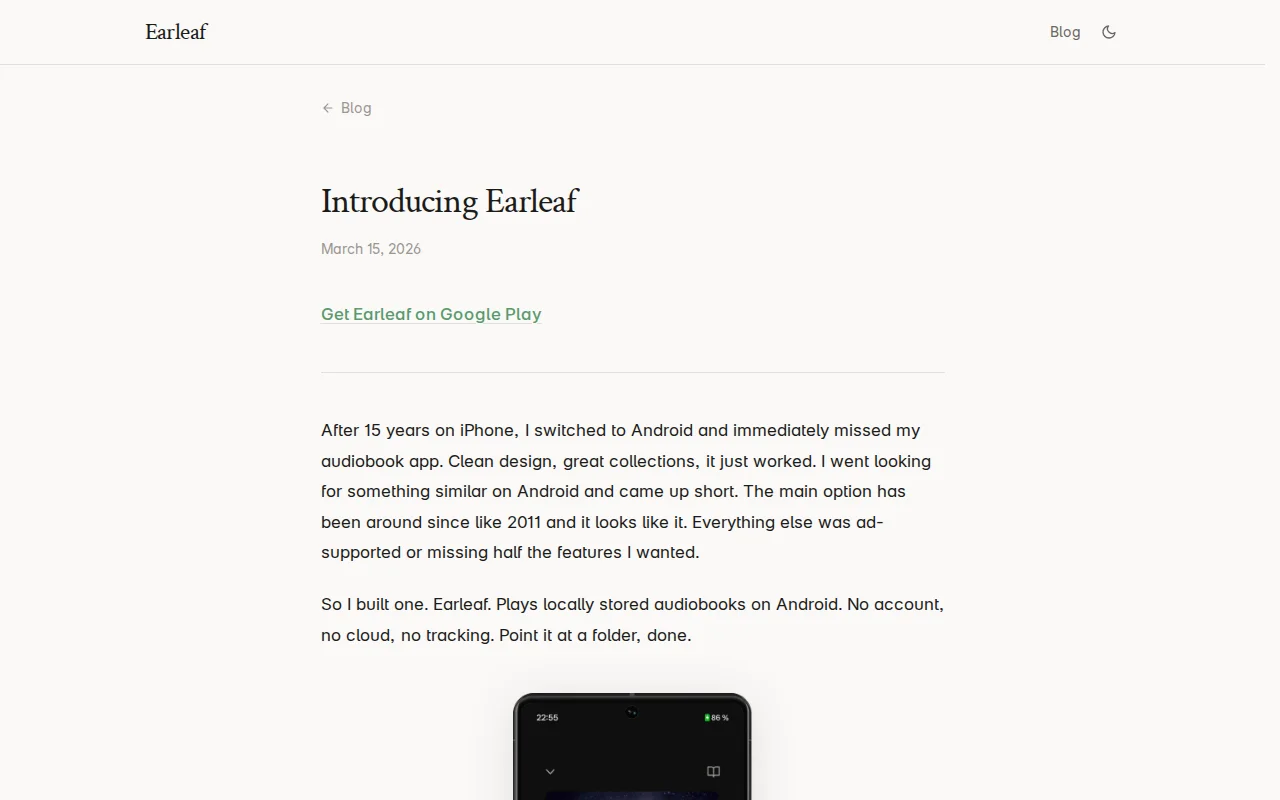
It's called Earleaf, and lets you play your local audibook files.
The feature I'm most excited about is Page Sync. You take a photo of a page in your physical book (or e-book) and the app finds that position in the audiobook and jumps to it. It works by transcribing the book on-device, and when you take a photo, it uses ML Kit to do the OCR scanning, and matches the text against the transcription. The initial transcription takes a while, but that's a one-time thing, and when it's in place, the actual search takes about two seconds on my device. And everything runs locally.
Aside from Page Sync, it's a full-featured player with nested collections, independent listen-through tracking, and a pretty good statistics feature. There are no accounts, no internet required, no ads.
Happy to answer questions about the app and its features!
PDF-to-audiobook CLI with TTS, but similar tools and Google Play audiobook apps dominate.
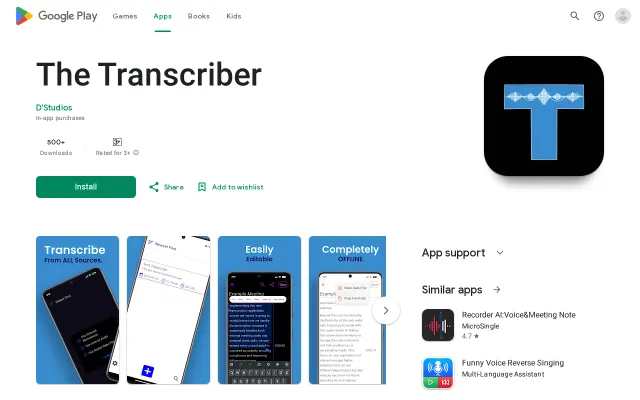
Free offline Whisper on Android, but 88–93% accuracy lags Google Recorder's 95–96% by design constraints.
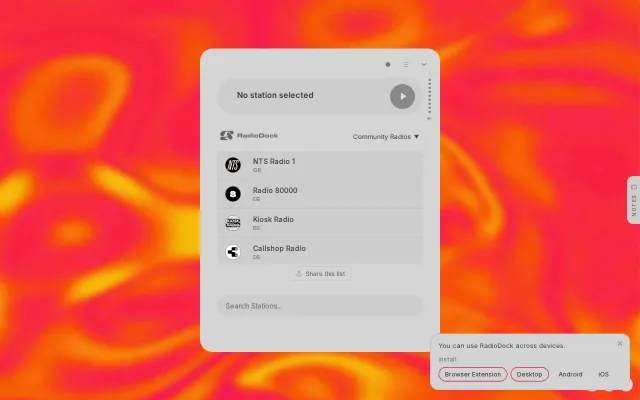
Curates 50+ indie stations like NTS and Refuge when Spotify algorithms feel sterile.
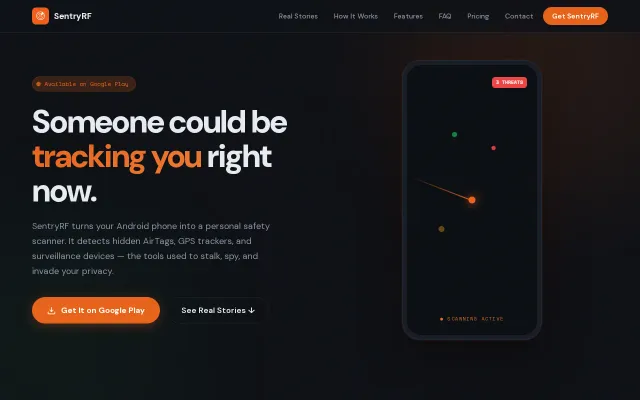
Uses RSSI time-series and sensor fusion — BLE plus magnetometer and ambient-light hints — to separate a 'passing' AirTag from a likely 'following' device, and then guides you to it with an audio 'Geiger counter' beacon. Smart, pragmatic feature choices (timeline, background protection, strictly local processing) make this actually useful in tense situations; caveat is hardware limits — claims about finding truly 'dead' GPS units or infrared cameras will depend heavily on your phone's sensors and will produce edge cases and false positives.
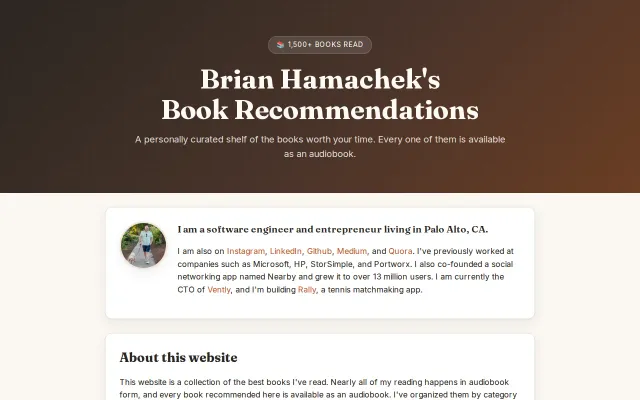
A static list of books with Amazon links, not a tool or project.
Seamless reading and listening toggle for public domain books with progress syncing.