Infrastructure●●●Banger
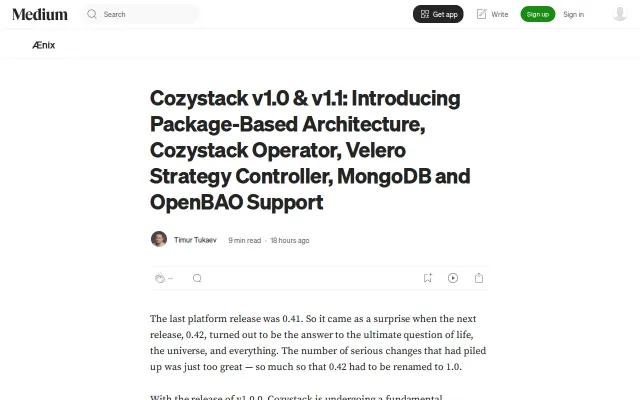
Cozystack v1.0 – an open-source cloud platform for bare metal
Package-based platform architecture using OCI artifacts — OpenStack for the Kubernetes era with CNCF backing.
Big BrainBold Bet
tym83
112mo ago
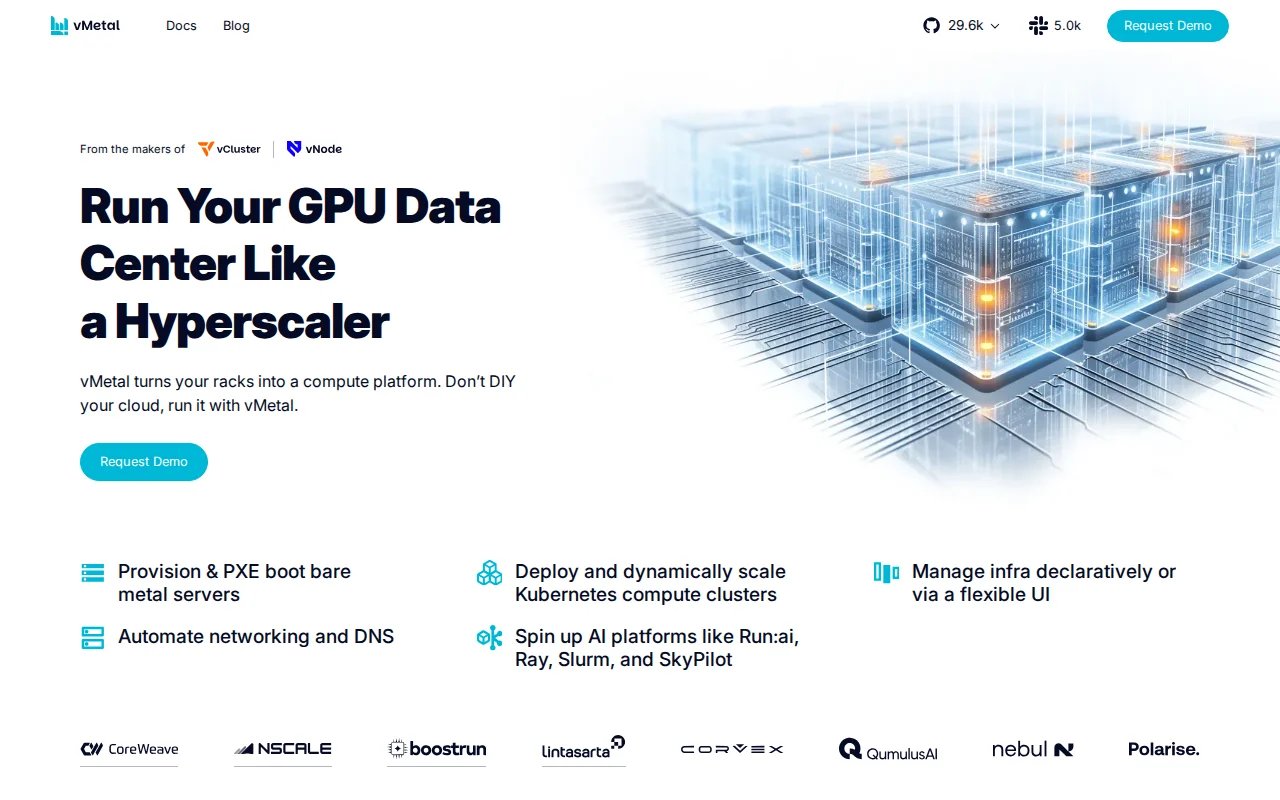
Saves neoclouds months of engineering by turning bare metal racks into managed Kubernetes clusters.
Neocloud providers, enterprises running large GPU clusters, Platform engineers
MAAS · Tinkerbell · OpenStack
With vMetal we took a different approach: treat physical machines like programmable infrastructure resources. Compared to tools like MAAS or Tinkerbell, vMetal is designed around a few ideas: - Bare metal lifecycle automation: Automatically discover machines on the network, boot them, install OS images, and reprovision nodes as hardware moves between clusters or workloads. Built on Metal3 and Ironic. -Built for GPU cluster ops: Supports environments where nodes frequently move between clusters, capacity pools, or tenant workloads. -Direct Kubernetes integration: Provisioned machines can be attached directly to Kubernetes clusters as nodes or assigned to infrastructure pools. -Works with Kubernetes multi-tenancy layers: Integrates with vCluster (virtual clusters) and vNode (node-level isolation) so machines can move from bare metal provisioning into multi-tenant Kubernetes environments. We’ve shared a few other infrastructure projects here before (DevPod, vCluster), and the feedback from HN has been incredibly helpful. Curious how others here are handling bare metal provisioning today — MAAS, Ironic, Metal3, Tinkerbell, something custom?
Open to any feedback, positive or negative.
Package-based platform architecture using OCI artifacts — OpenStack for the Kubernetes era with CNCF backing.
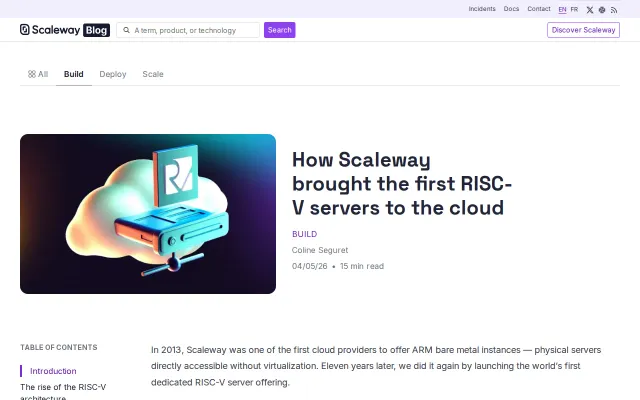
First RISC-V cloud servers; impressive infra feat, but it's a blog post.
Purpose-built registry for bootc that handles bare-metal provisioning where legacy OCI fails.
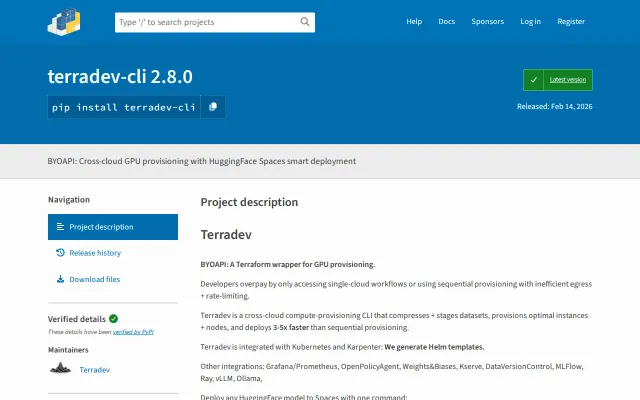
Wraps a lot of nasty multi-cloud choreography into a single CLI: parallel provisioning across providers, staging/compressing datasets, and plumbing nodes from different clouds into one Kubernetes cluster with generated Helm templates and Karpenter hooks. The Hugging Face Spaces one-command deploy and built-in telemetry/ML integrations are smart touches, but the page leans heavy on integration laundry-listing — I want concrete guarantees around networking/egress, cost arbitration logic, and auth/billing boundaries before trusting it for production budgets.
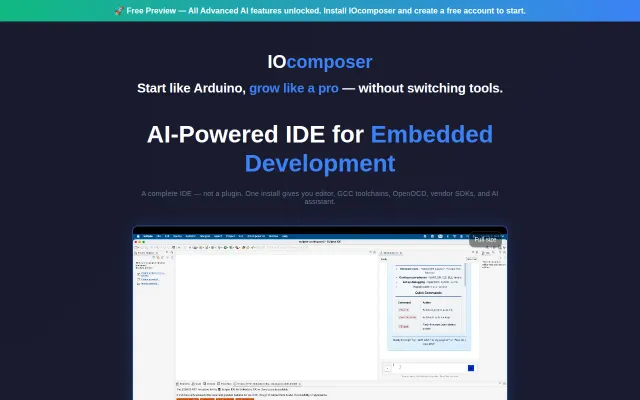
Bare-metal BLE firmware with vendor SDK indexing—no Device Trees, one config per MCU.
Claude talks to RunPod/Lambda/Lambda/Vast — but needs working provider integrations to matter.