Productivity●Mid
I've ditched paper todo lists
Undated tasks work for households, but Tody and Cozi already own this space.
Solve My ProblemCozy
przemekdz
302mo ago
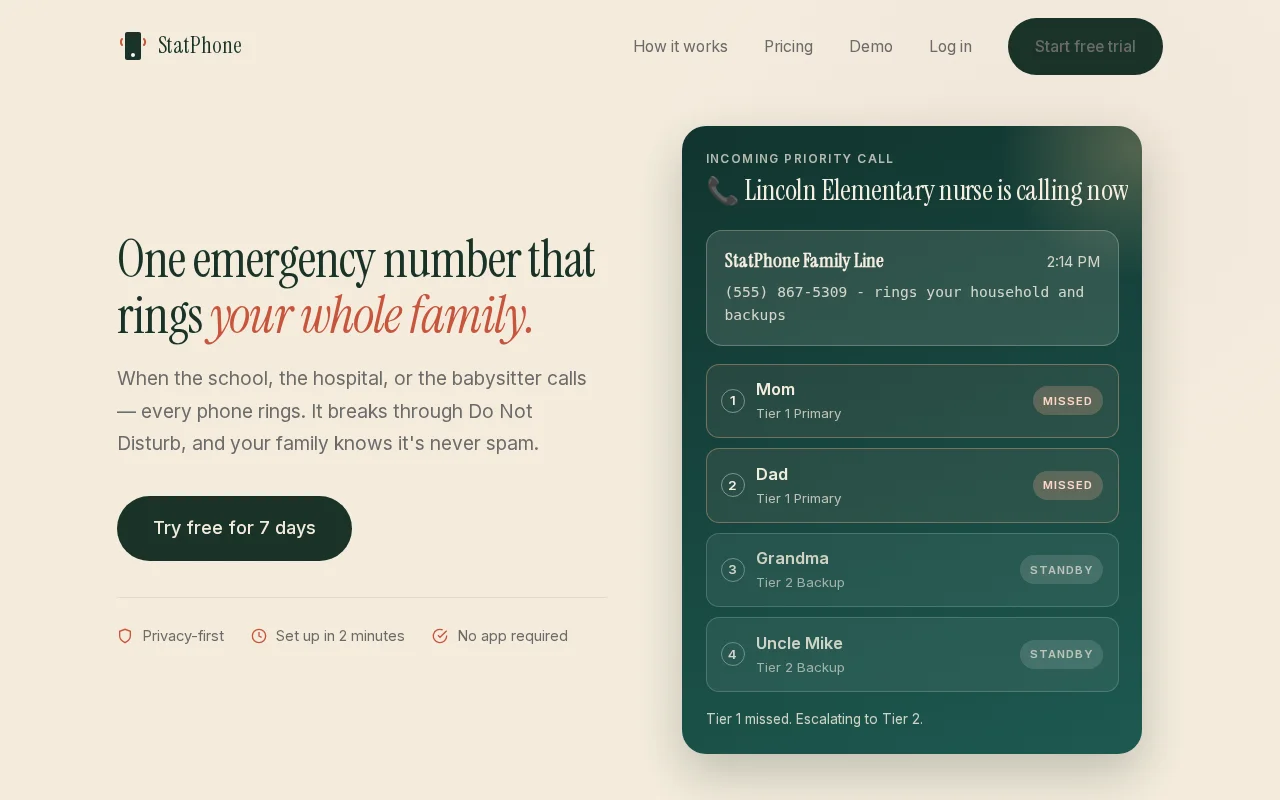
Tiered call escalation that bypasses Do Not Disturb when schools or hospitals call.
Parents, families with young children, caregivers for elderly parents
Google Voice · Grasshopper · RingCentral
My wife and I are physicians (YC S17), with young kids and also helping take care of our parents. Very much in the sandwich generation.
When I am in the OR or busy and an unknown number comes in, I have no idea. Is this my kid’s school, my dad’s doctor, something urgent, or just spam?
I end up being afraid to fully turn on Do Not Disturb because of that.
So we built StatPhone - https://statphone.com.
It gives you dedicated phone numbers you can share with people you trust. When someone calls one, it rings multiple people at once, and if no one answers, it can automatically escalate to others.
No matter what number they are calling from, it shows up as something like “Dad Emergency” or “Kids School” on your phone.
For example, we can give one to our kid’s school. It rings both of us at the same time so someone picks up.
Or we can give one to my dad’s doctor. It rings me and my sister first, and if we do not pick up, it rolls to my wife and brother in law.
It is also useful as a general family emergency line. For kids going to college, for pet sitters, or for things like a doorman calling one number and it ringing everyone in the apartment at once.
If no one answers, it uses its own voicemail, not your phone’s, transcribes it, and sends it to everyone.
We can still see who actually called via a dashboard or text.
We have been using it for school, babysitters, doctors, etc.
Figured we would share in case it is useful to anyone else.
Thanks, Amit & Puja
Undated tasks work for households, but Tody and Cozi already own this space.
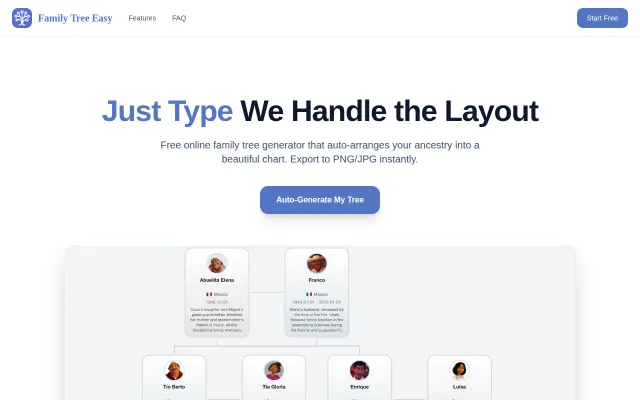
Auto-layout saves dragging, but Ancestry, MyHeritage, and FamilySearch already dominate.
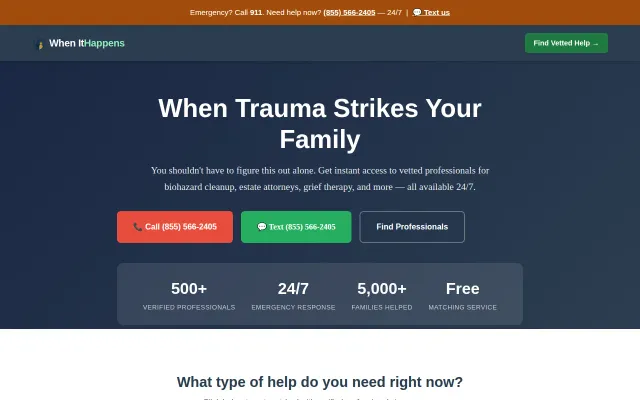
Transforms biohazard remediation expertise into free guidance that families actually need.
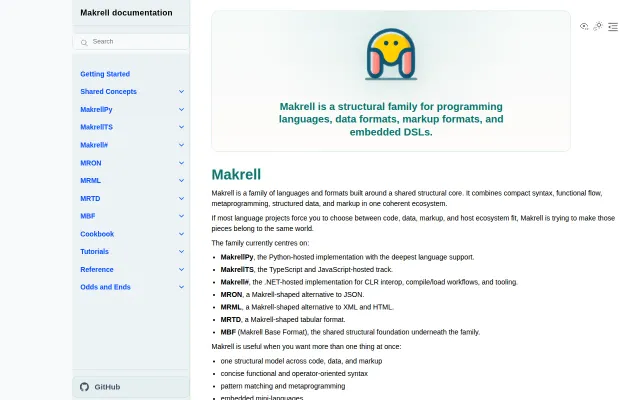
One structural model unifying code, data, and markup where JSON and XML diverge.
Thoughtful personal emergency tool, but a single-page utility with narrow scope.
Client-side encryption, AES-256 blobs and Argon2id for the master password show the author really thought about attacker models; the missed check-in + beneficiary notification flow is a neat, practical UX for a fraught real-world problem. The idea itself isn’t new — password managers and legacy services already touch this space — so the product’s value will live or die on the nitty-gritty of recovery UX, legal edge cases, and how reliably that emergency trigger works in practice.